Afbeeldingen van American Museum of Natural History
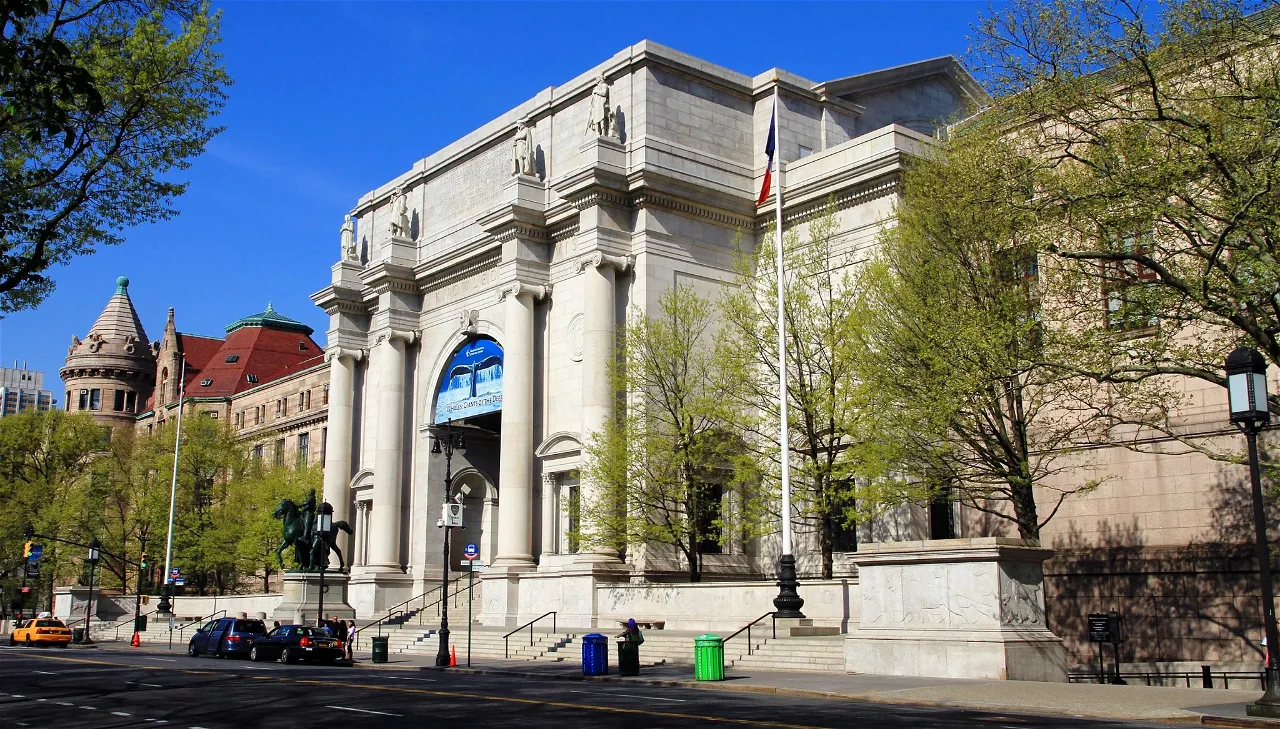
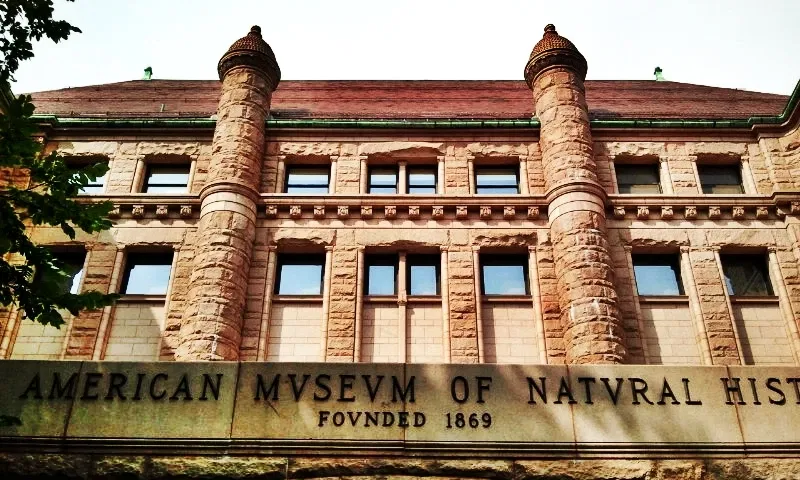
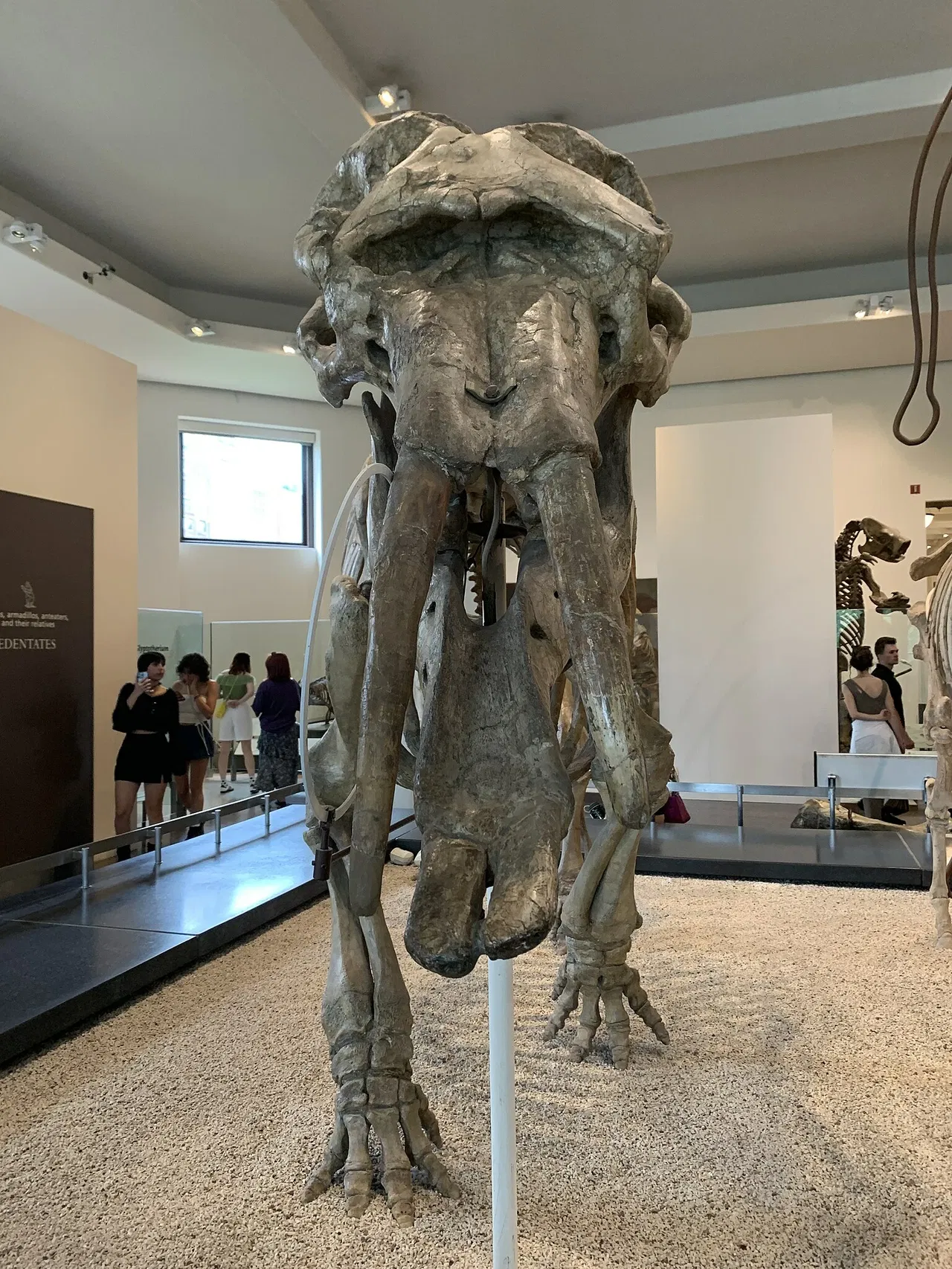
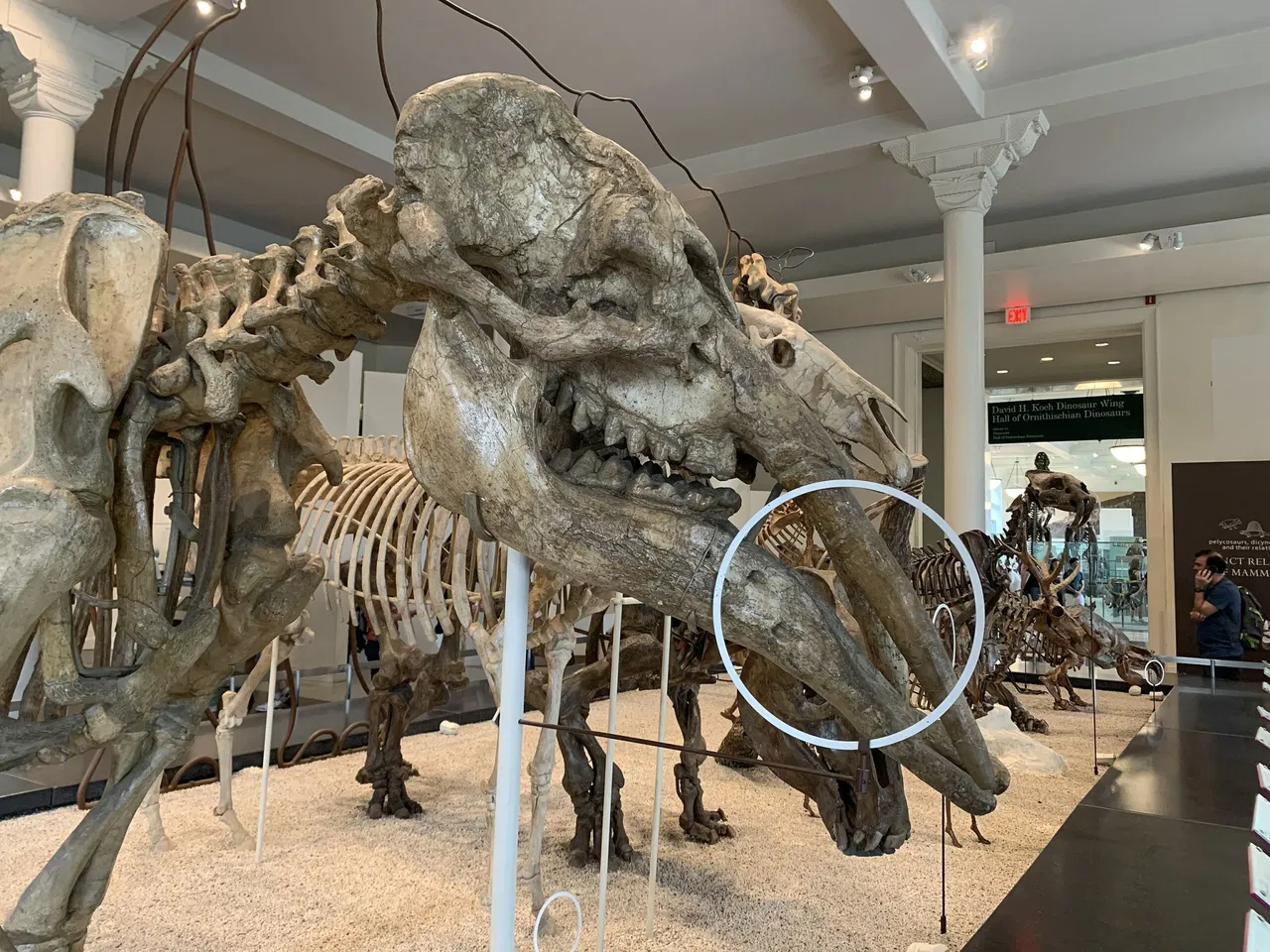
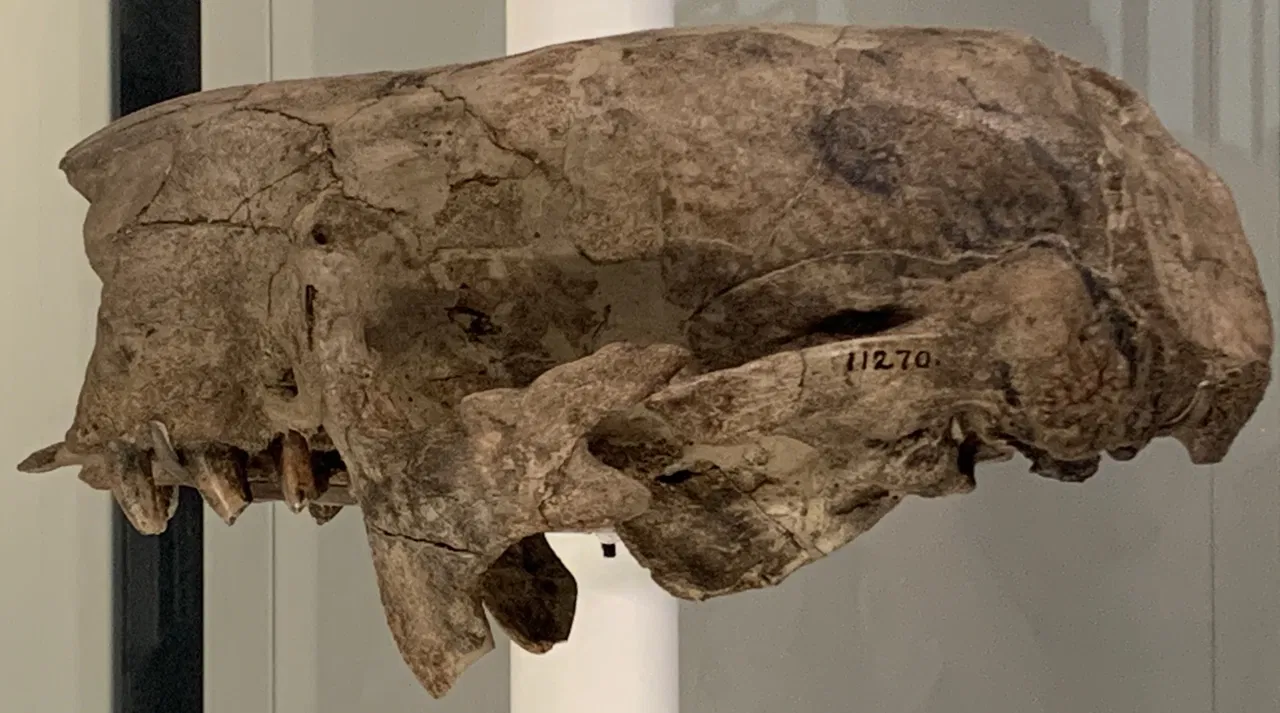
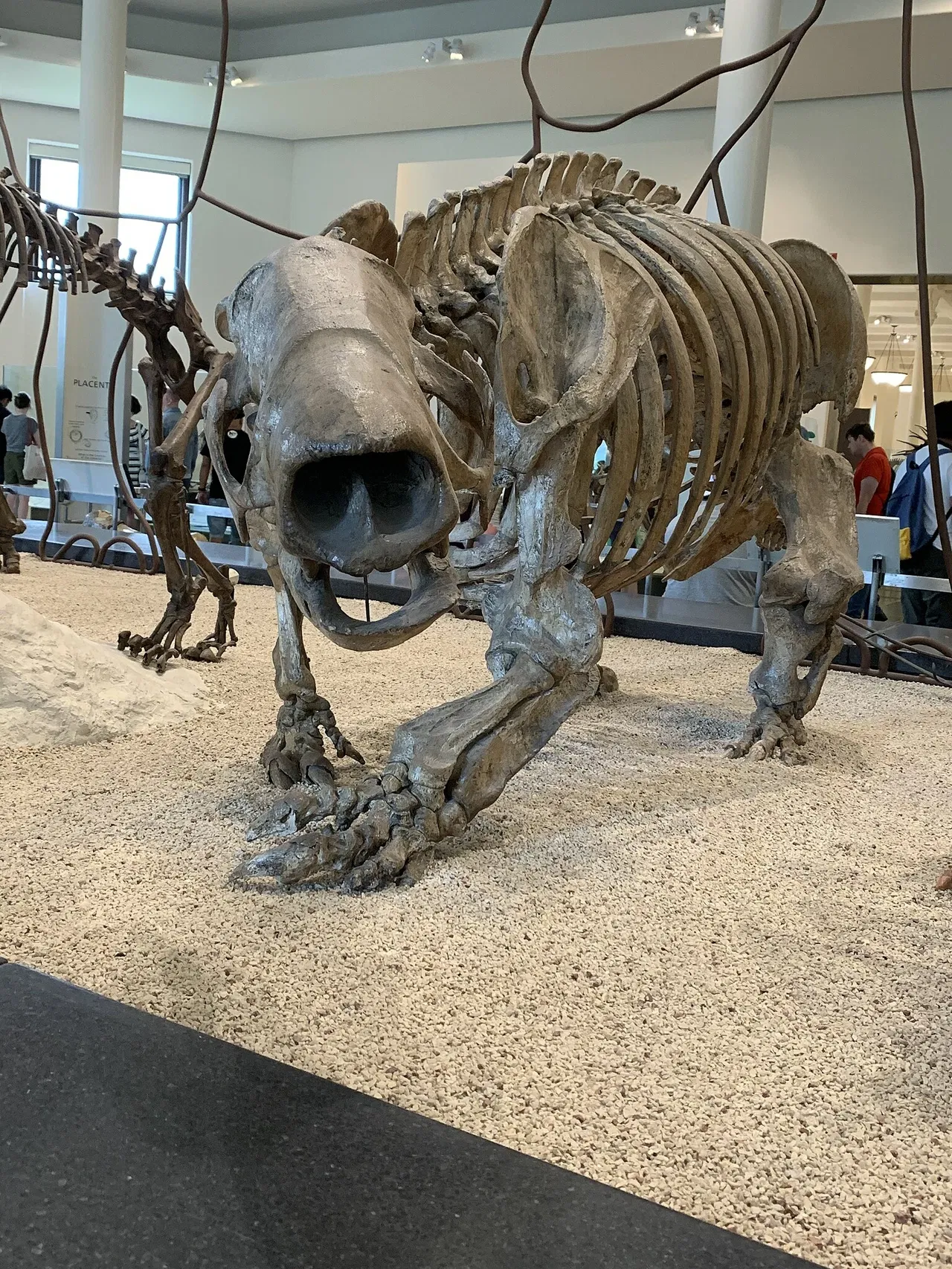
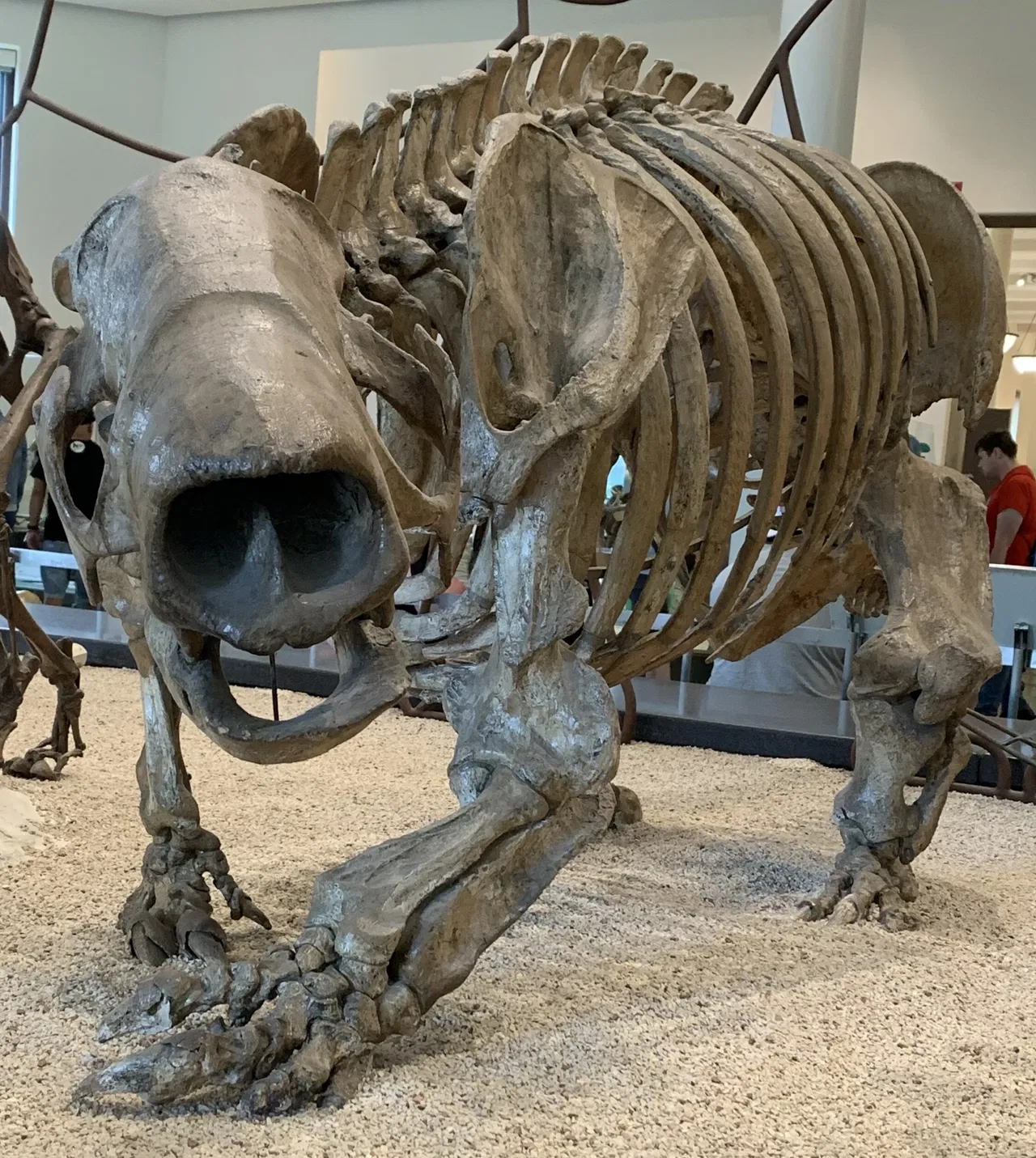
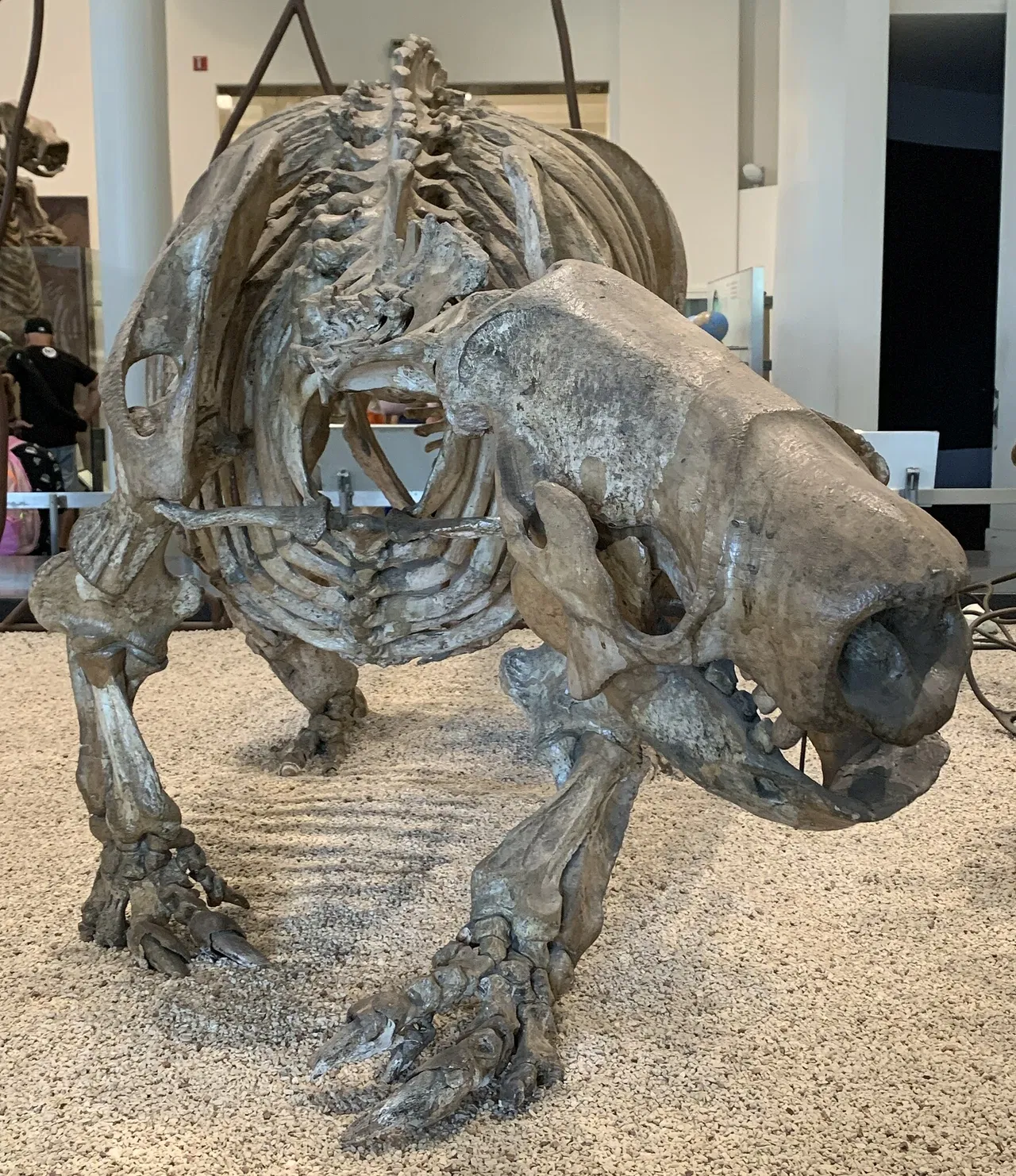
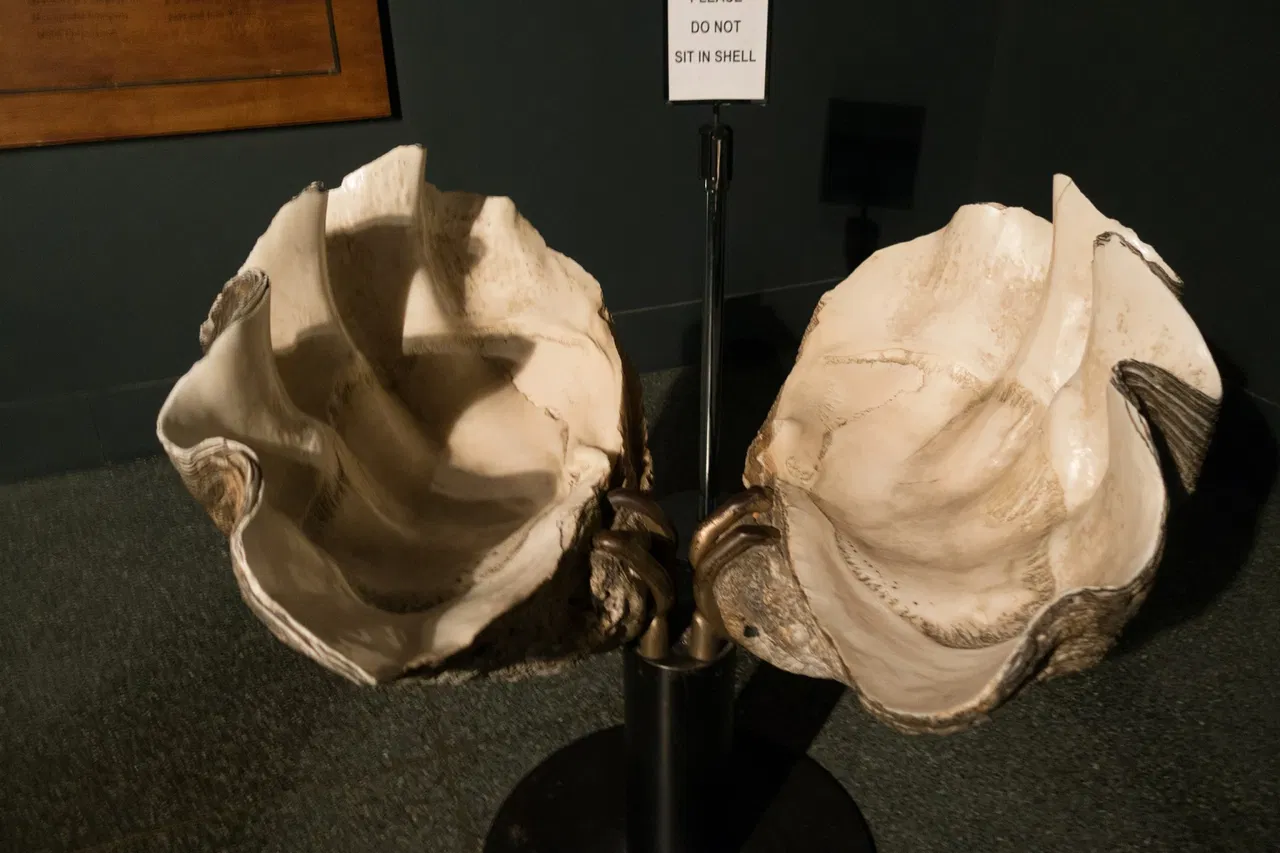
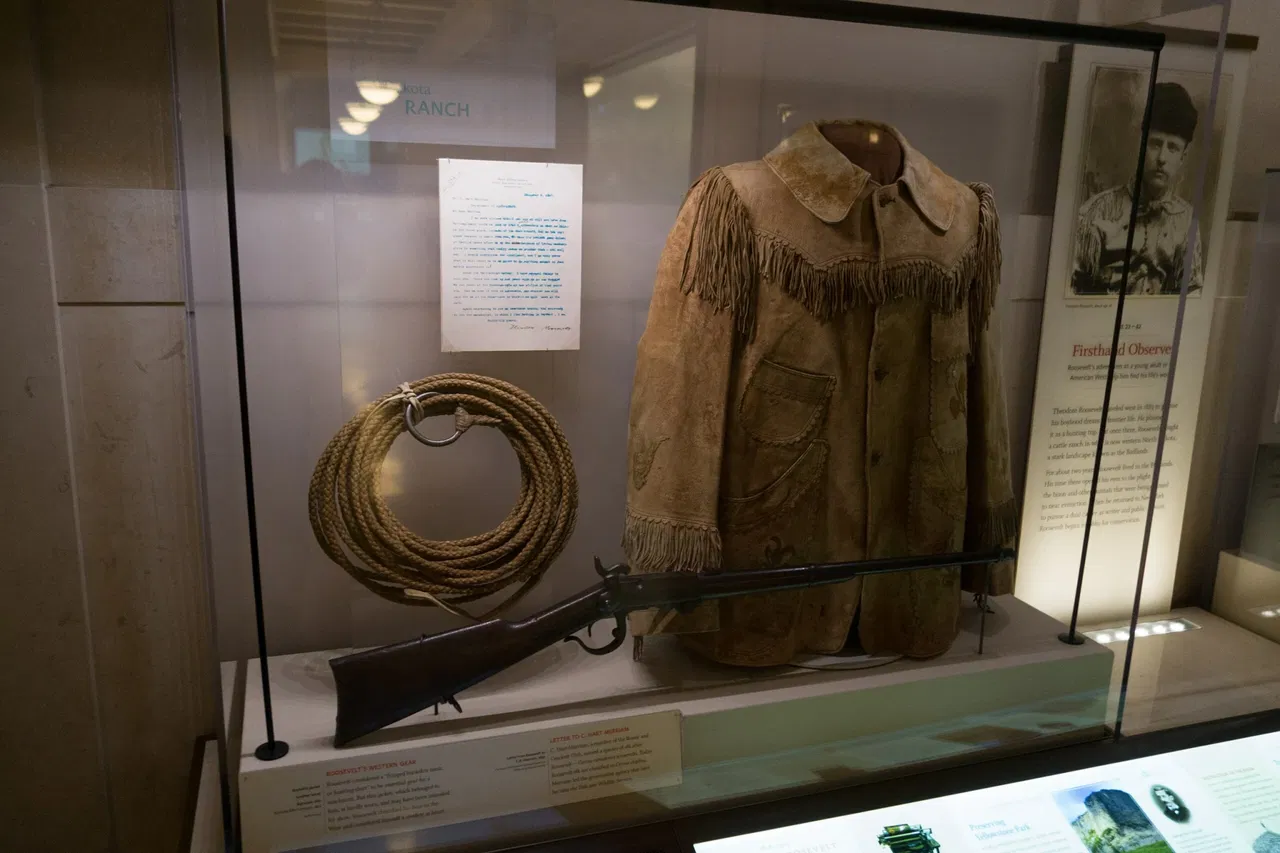
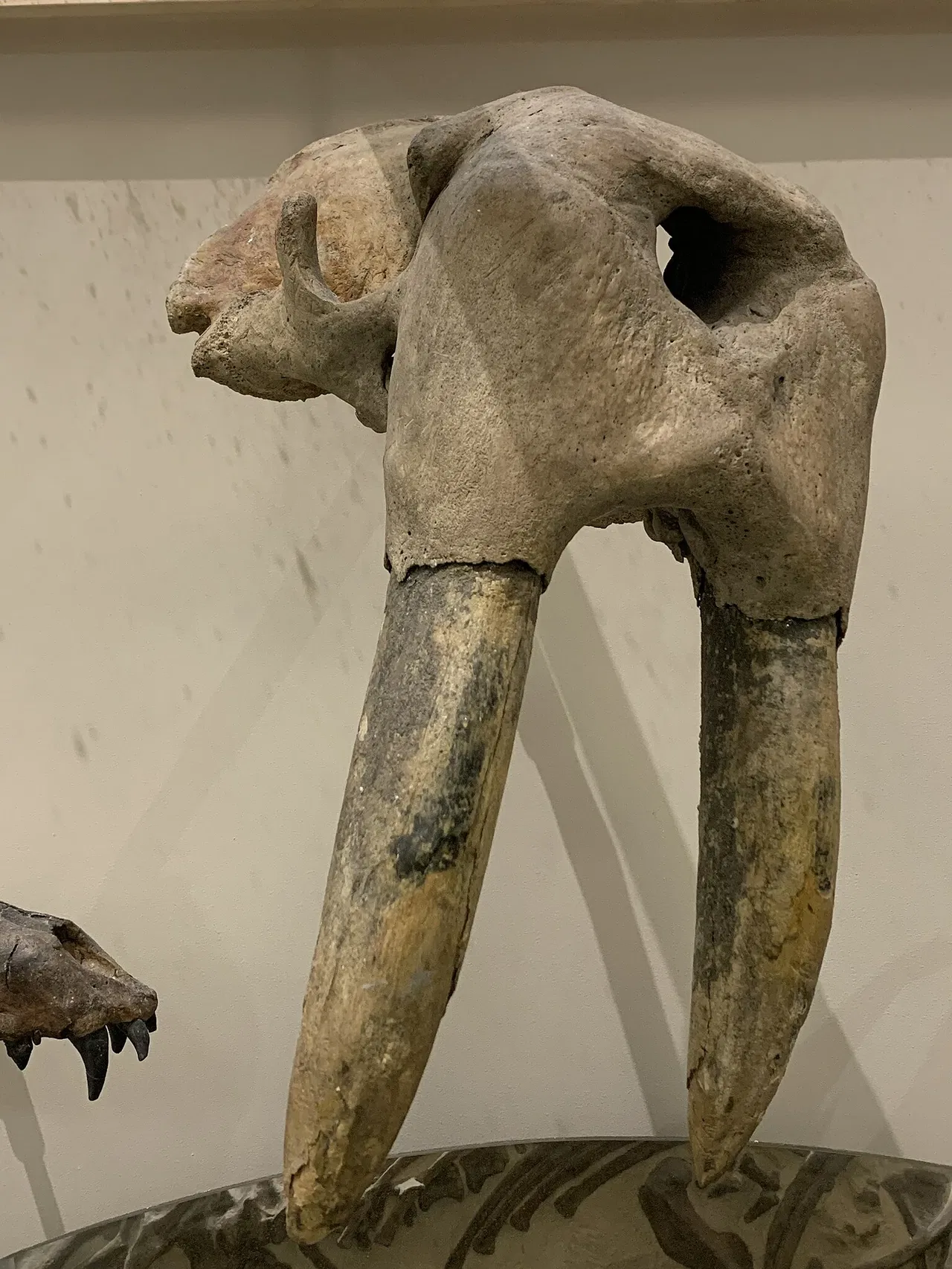
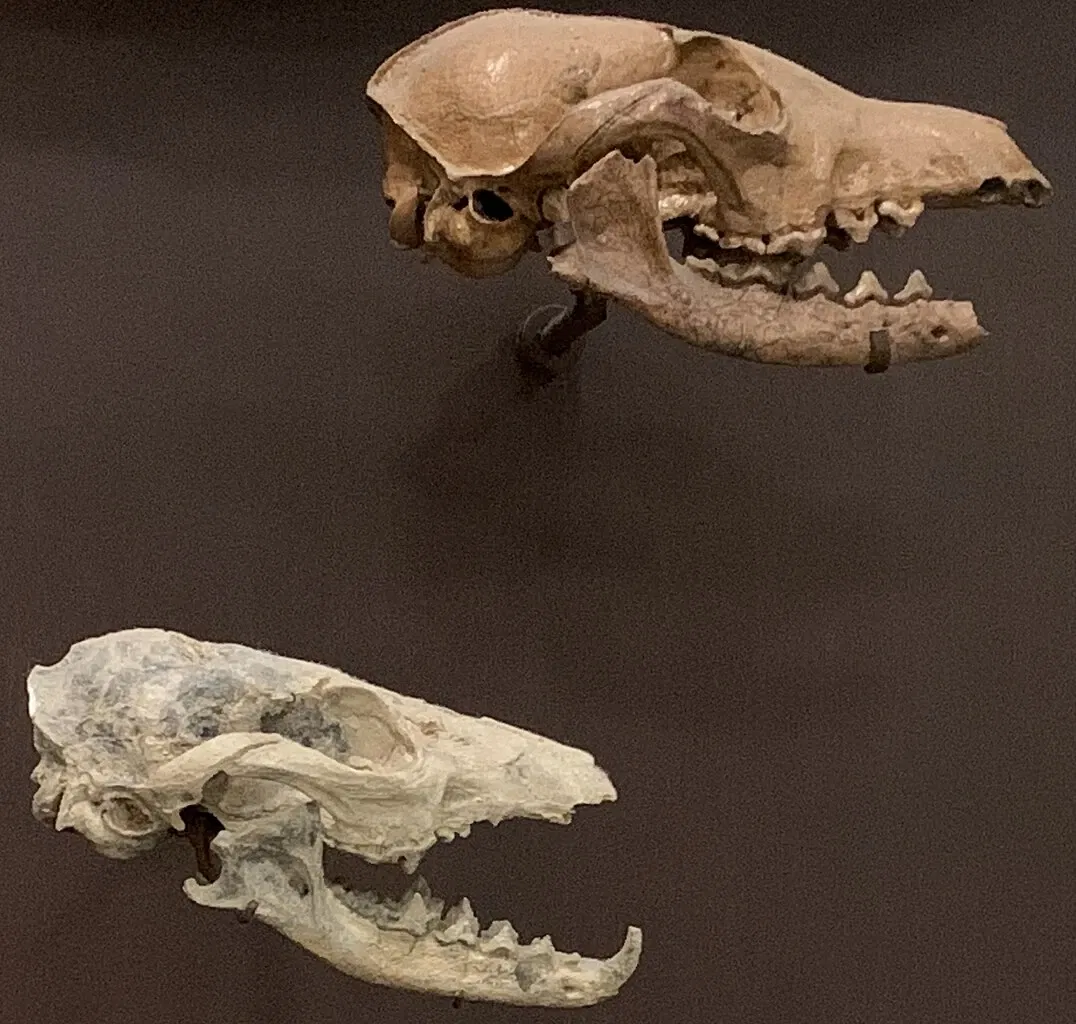
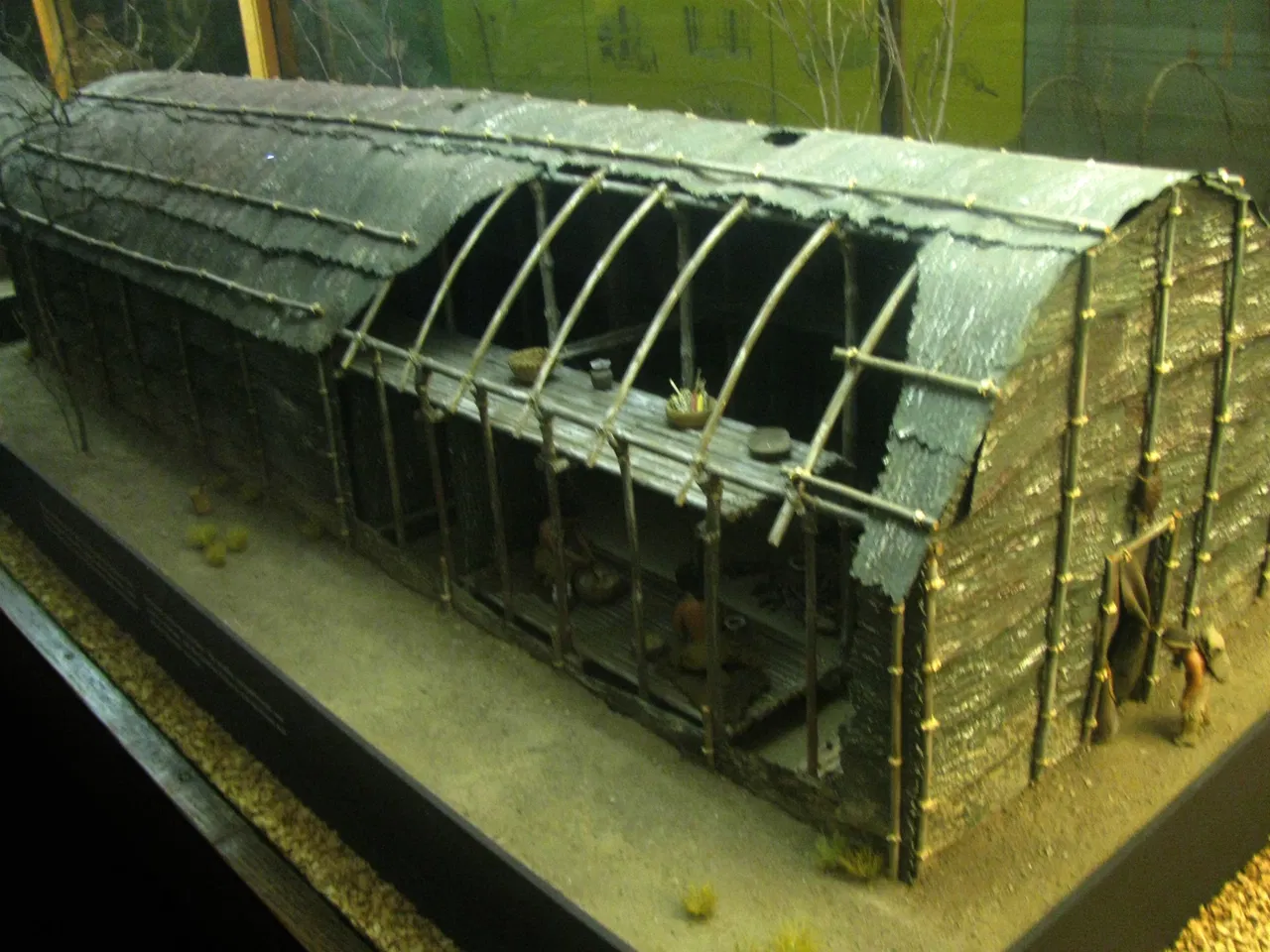
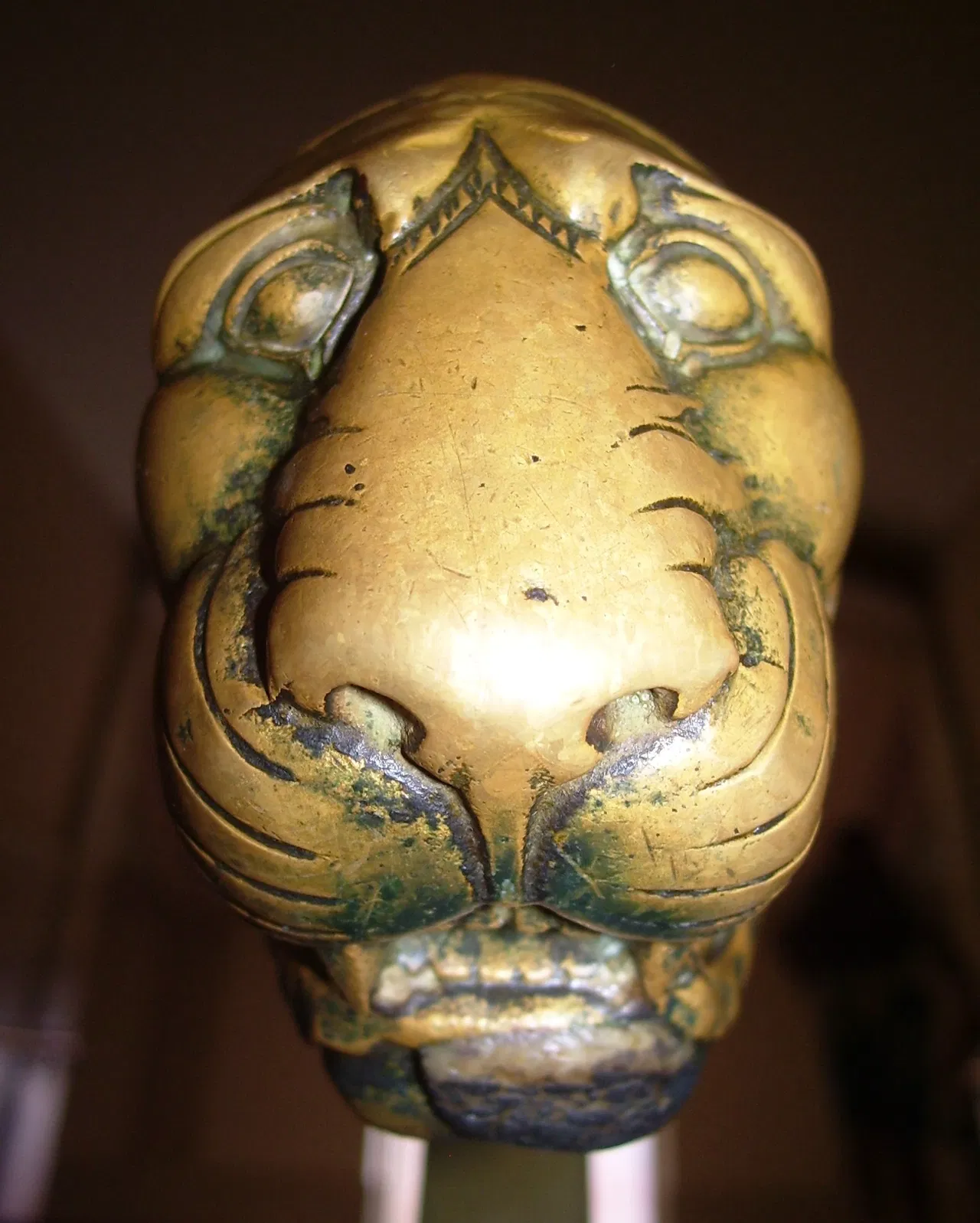
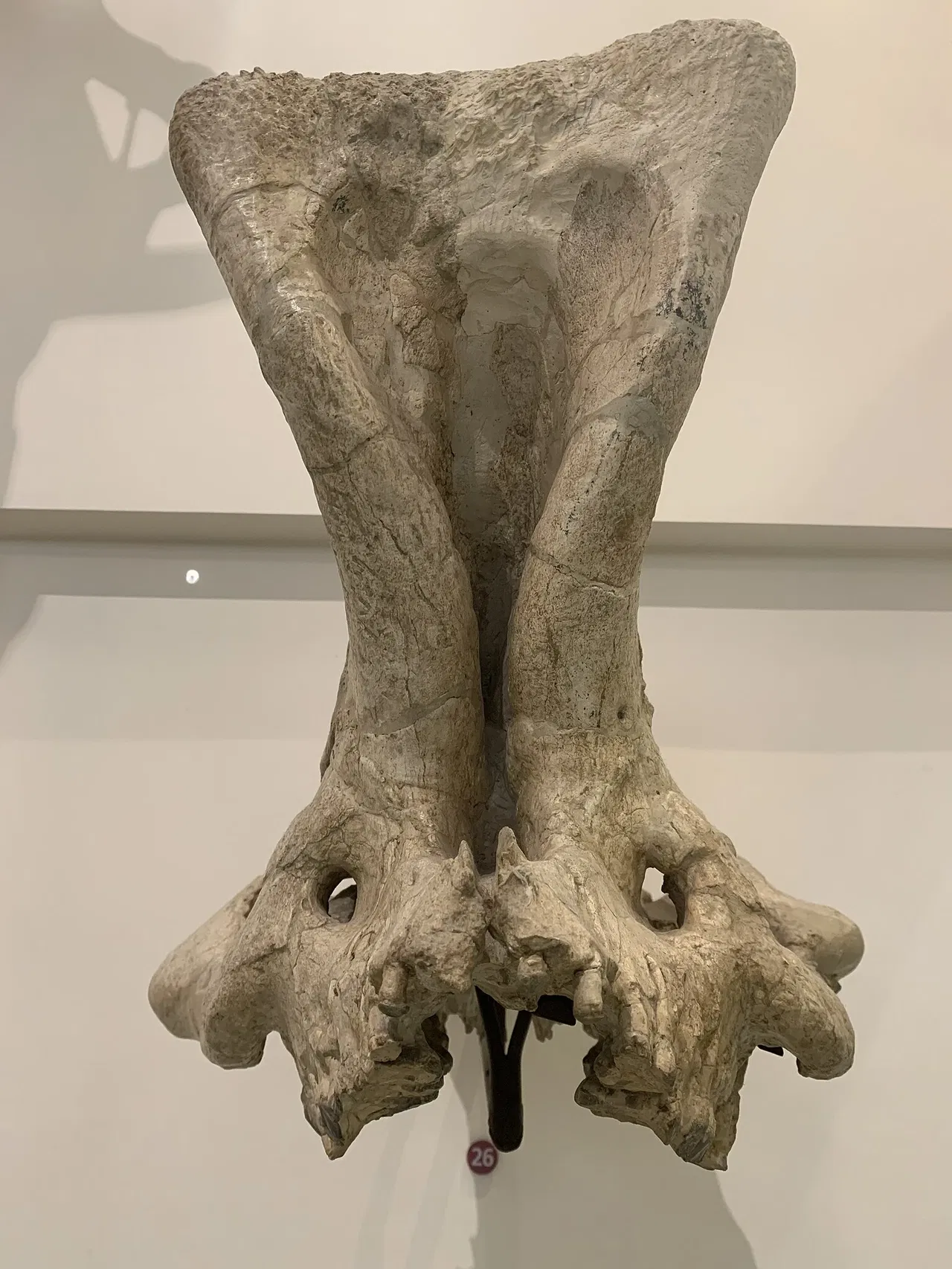
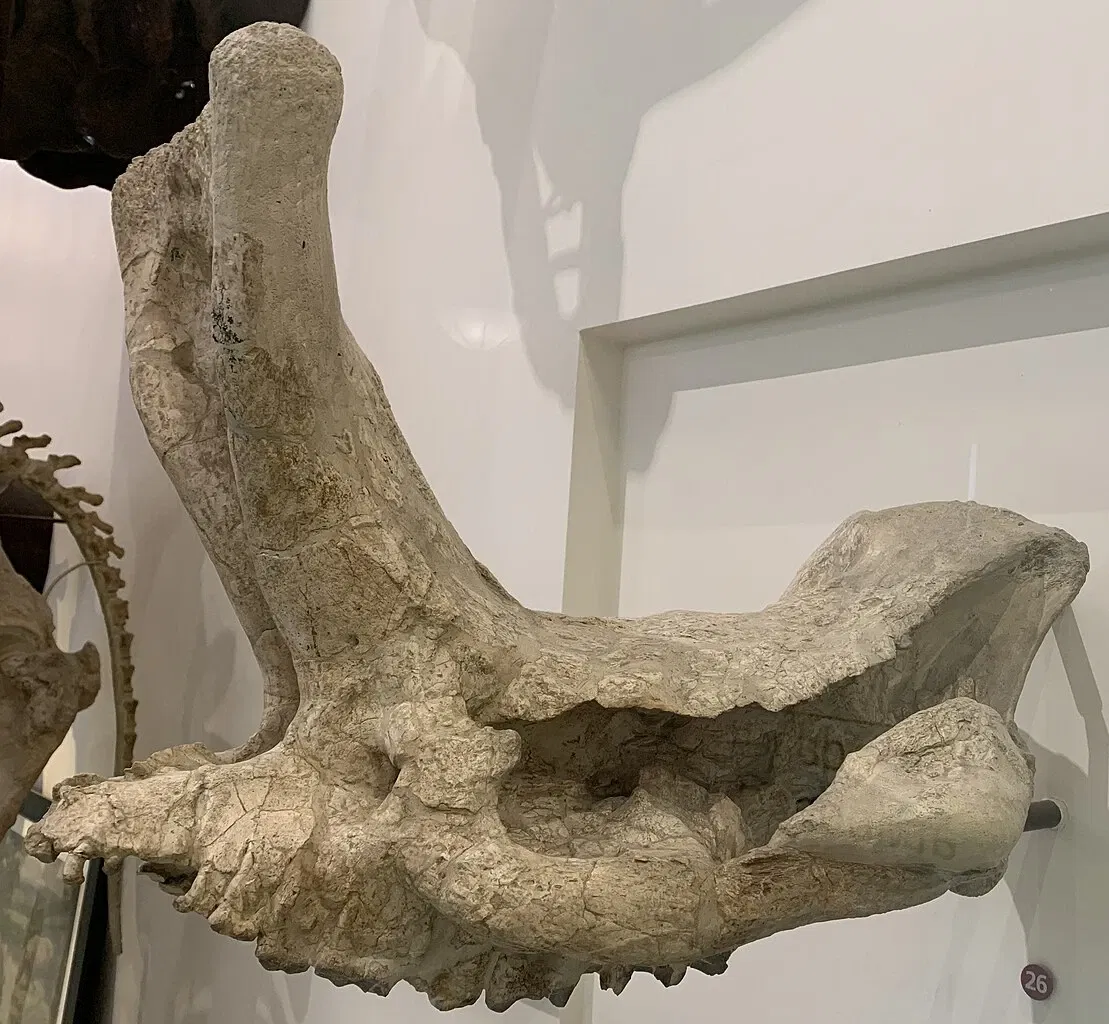
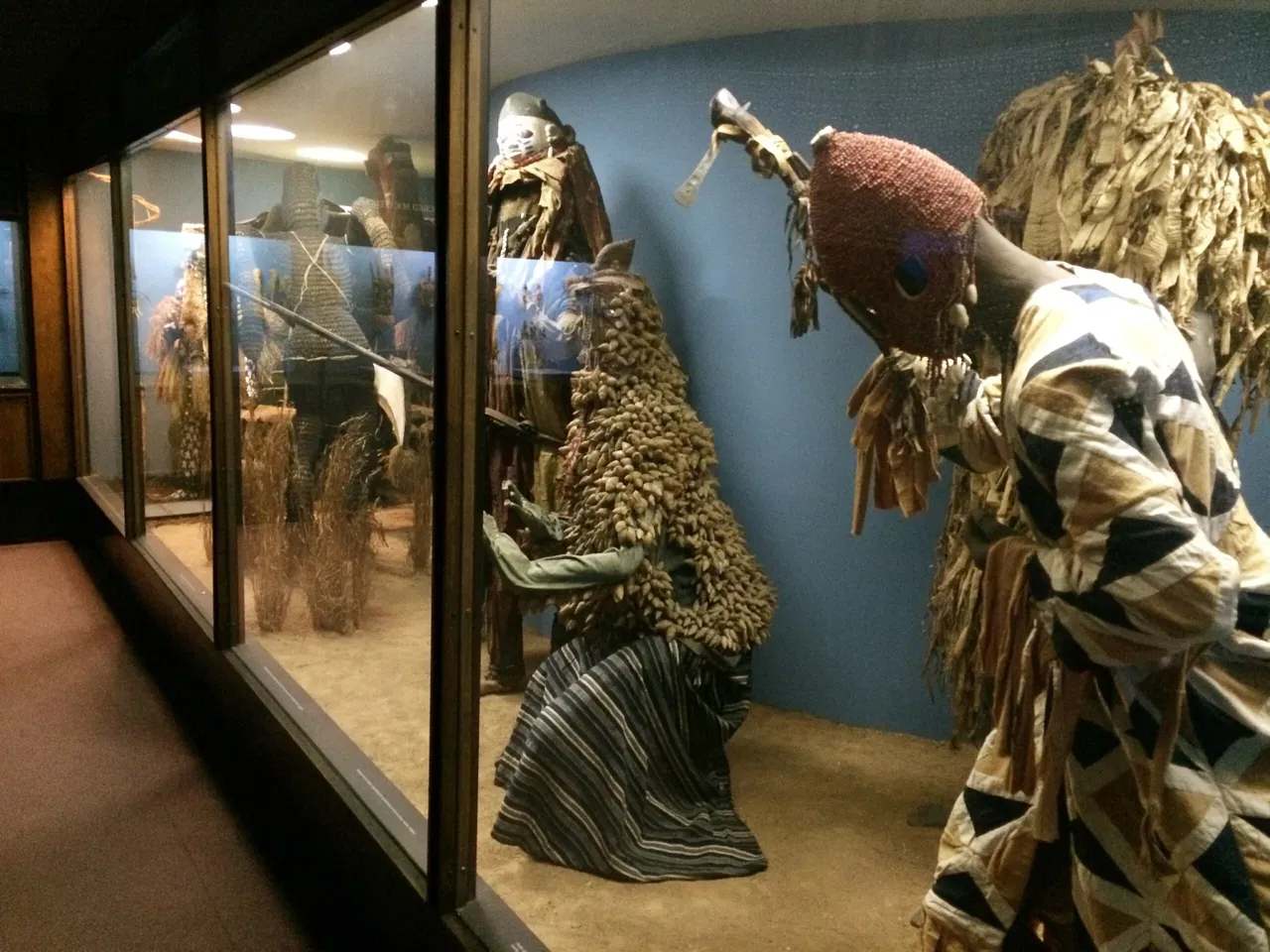
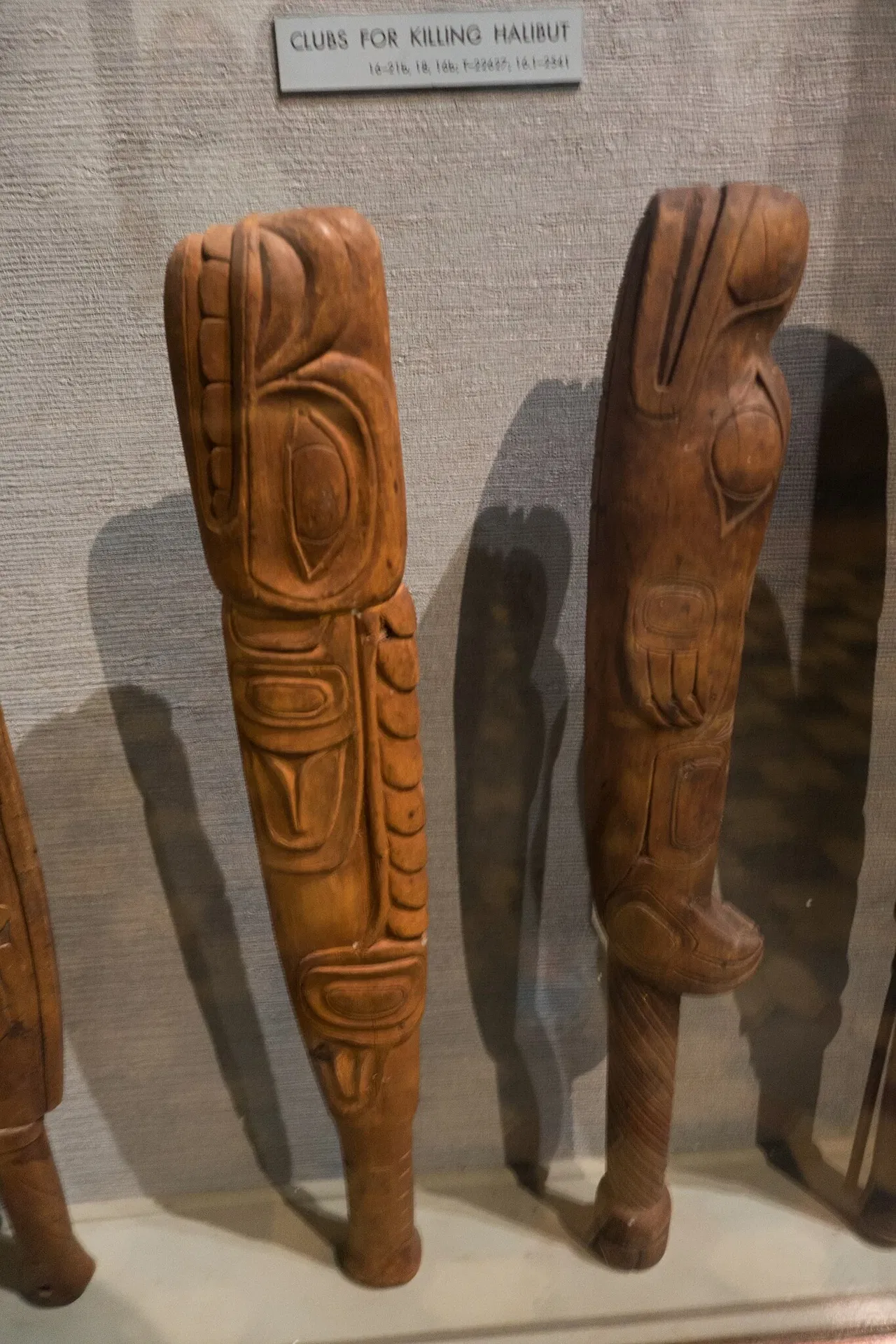
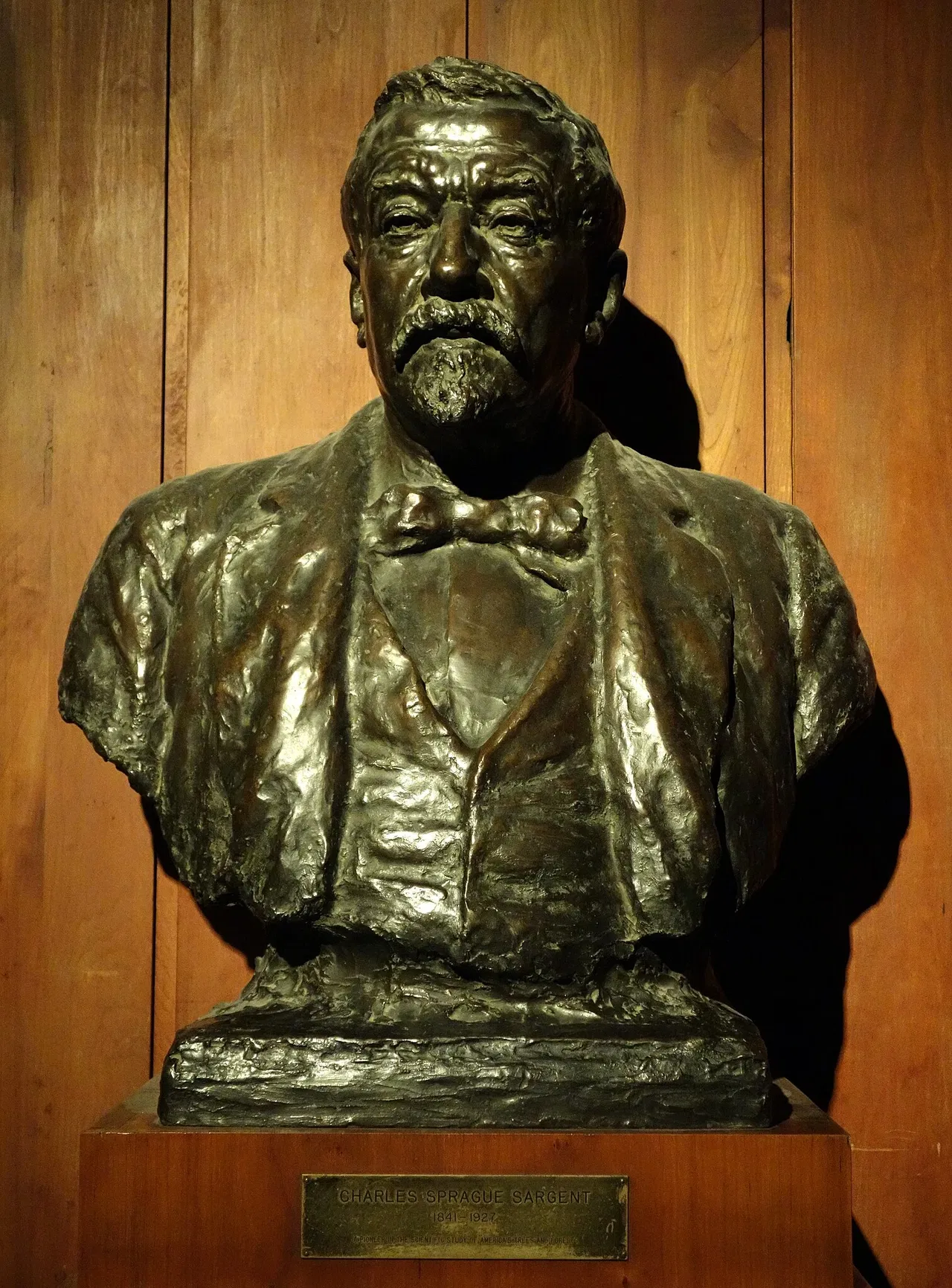
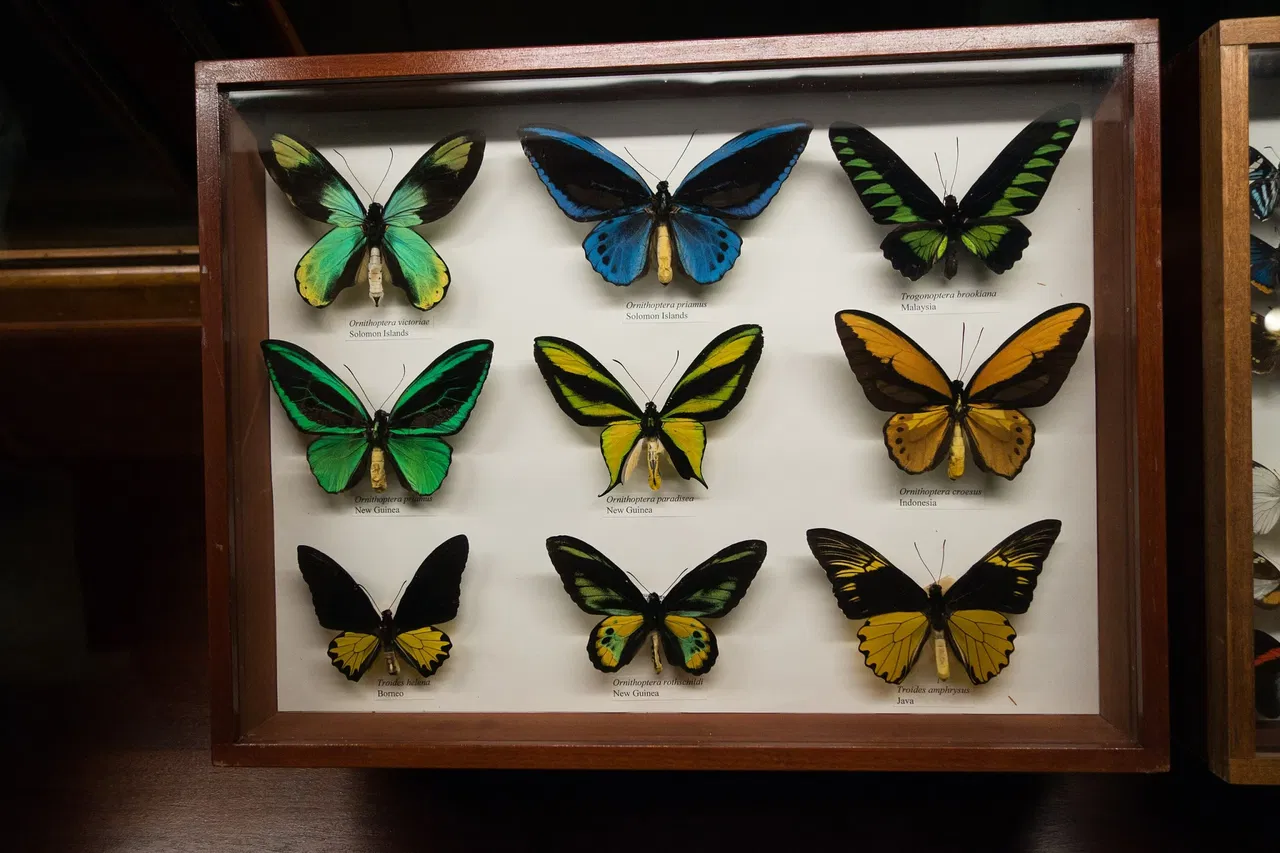
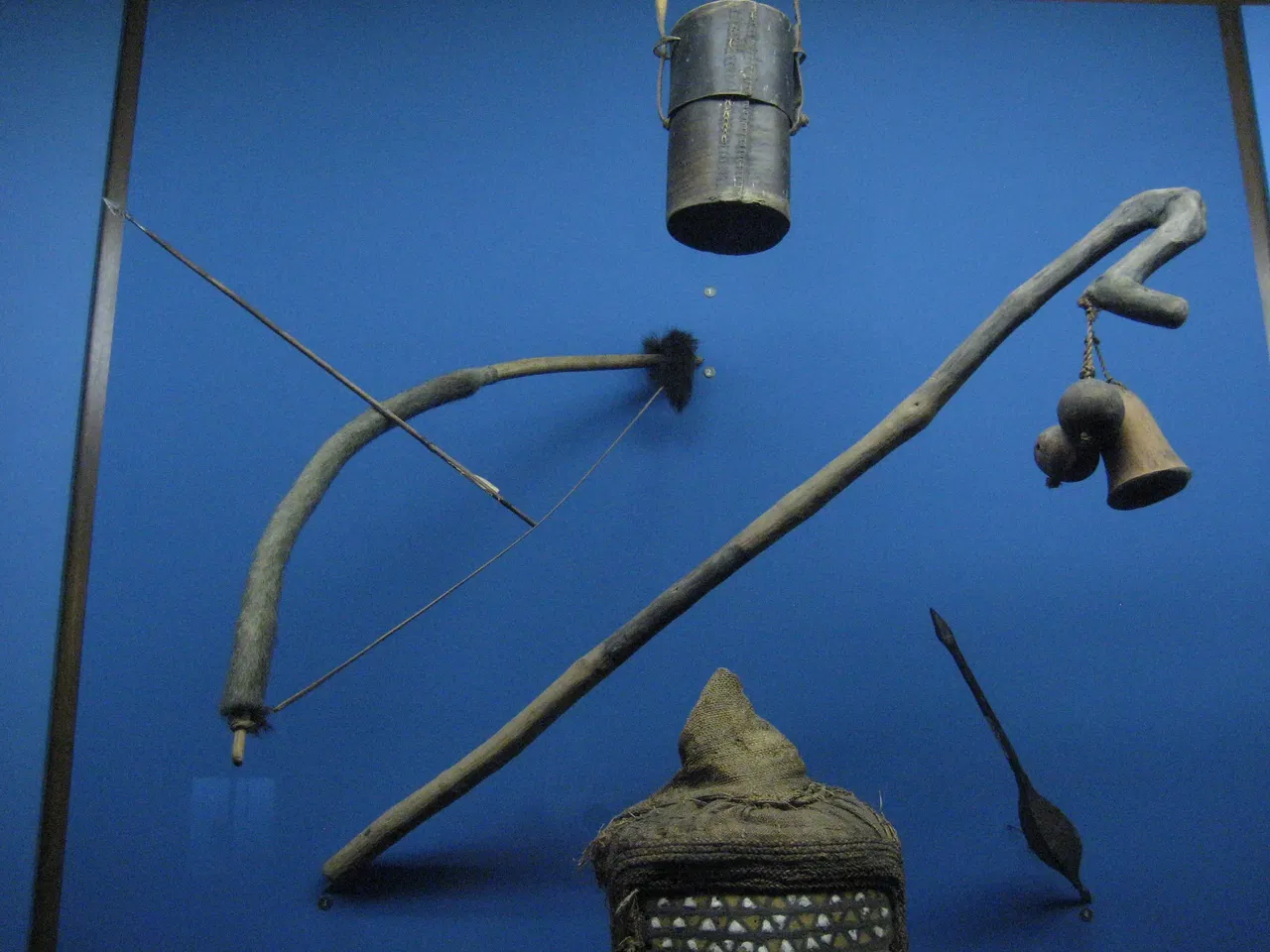
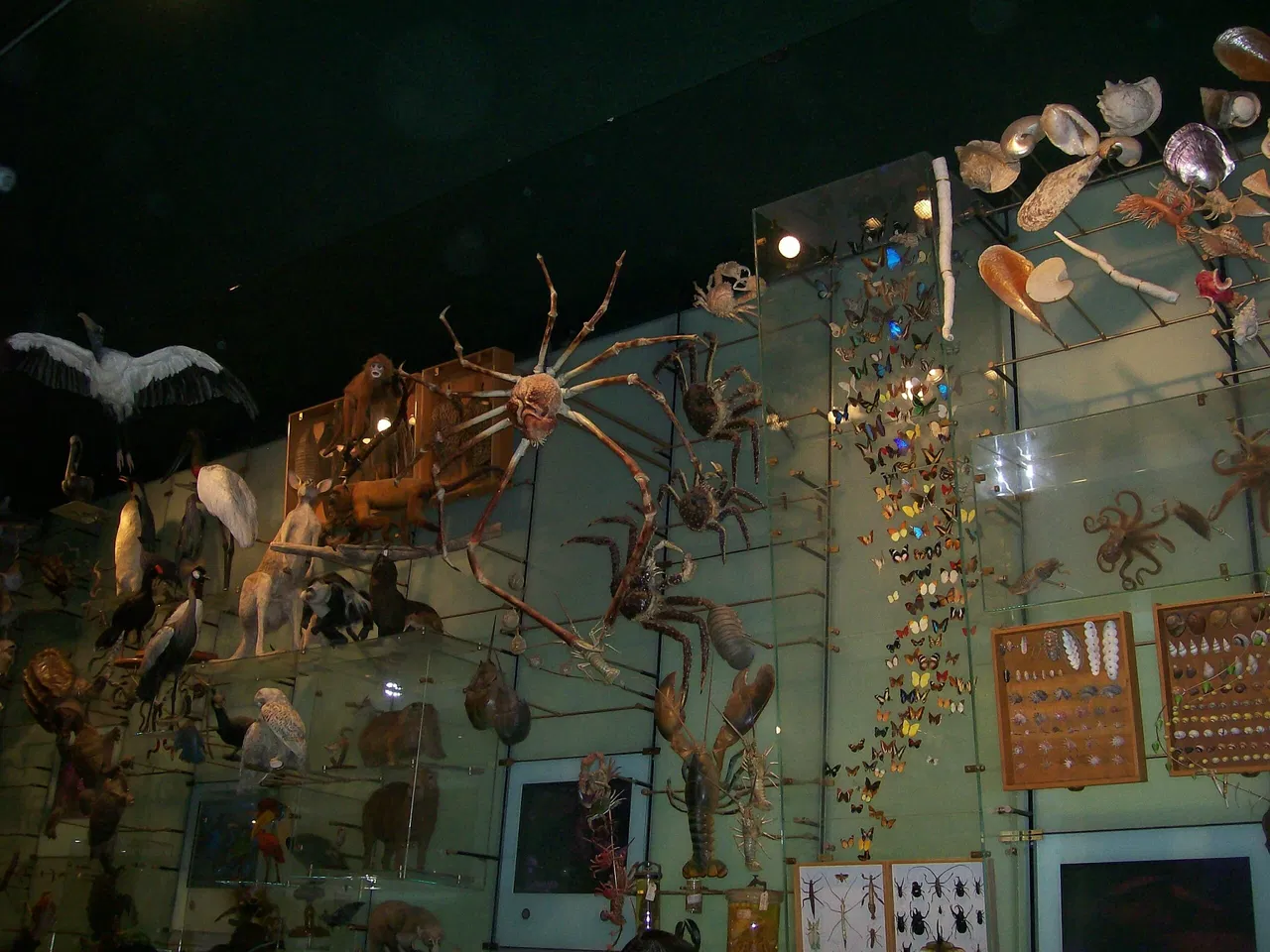
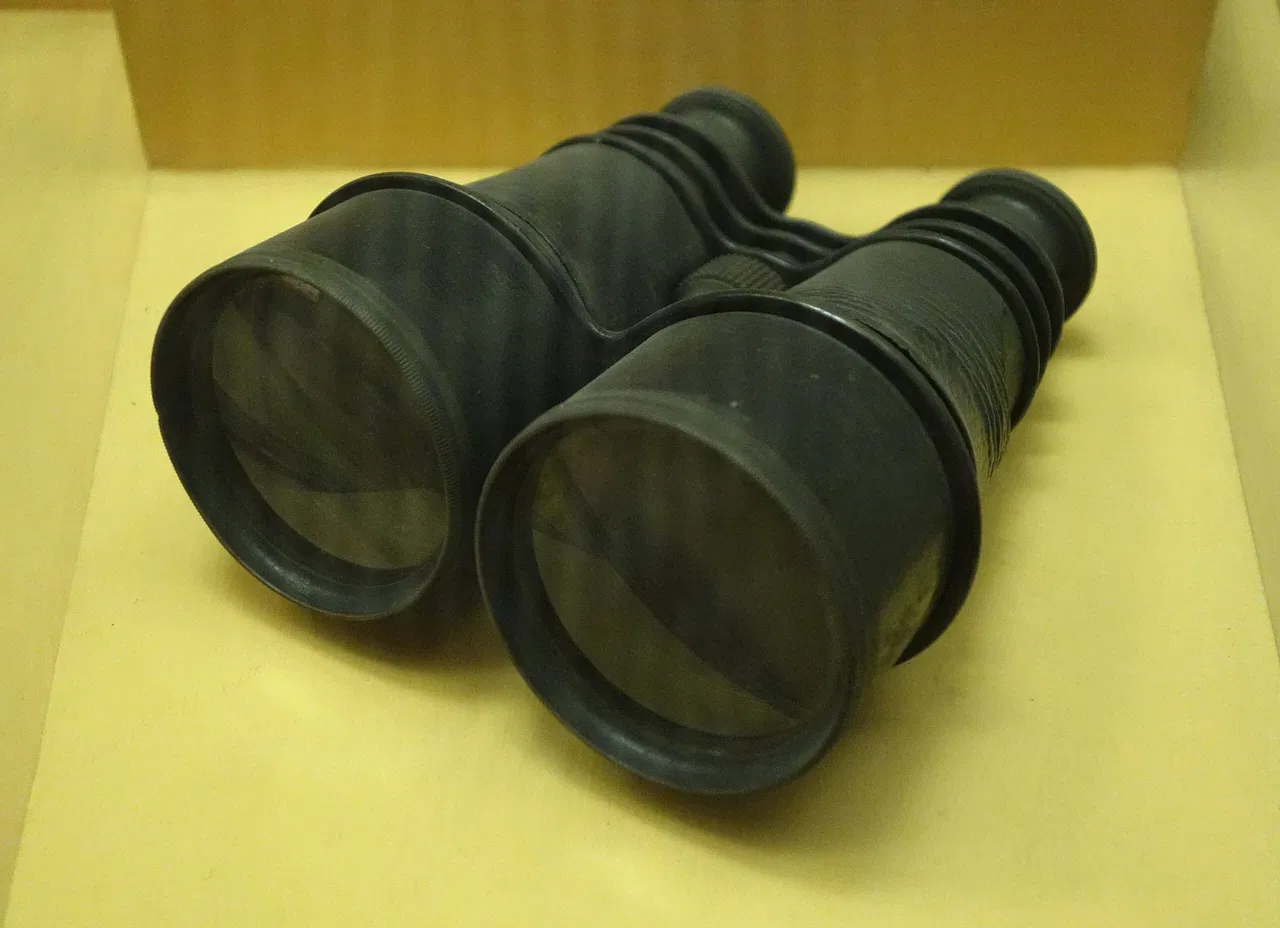
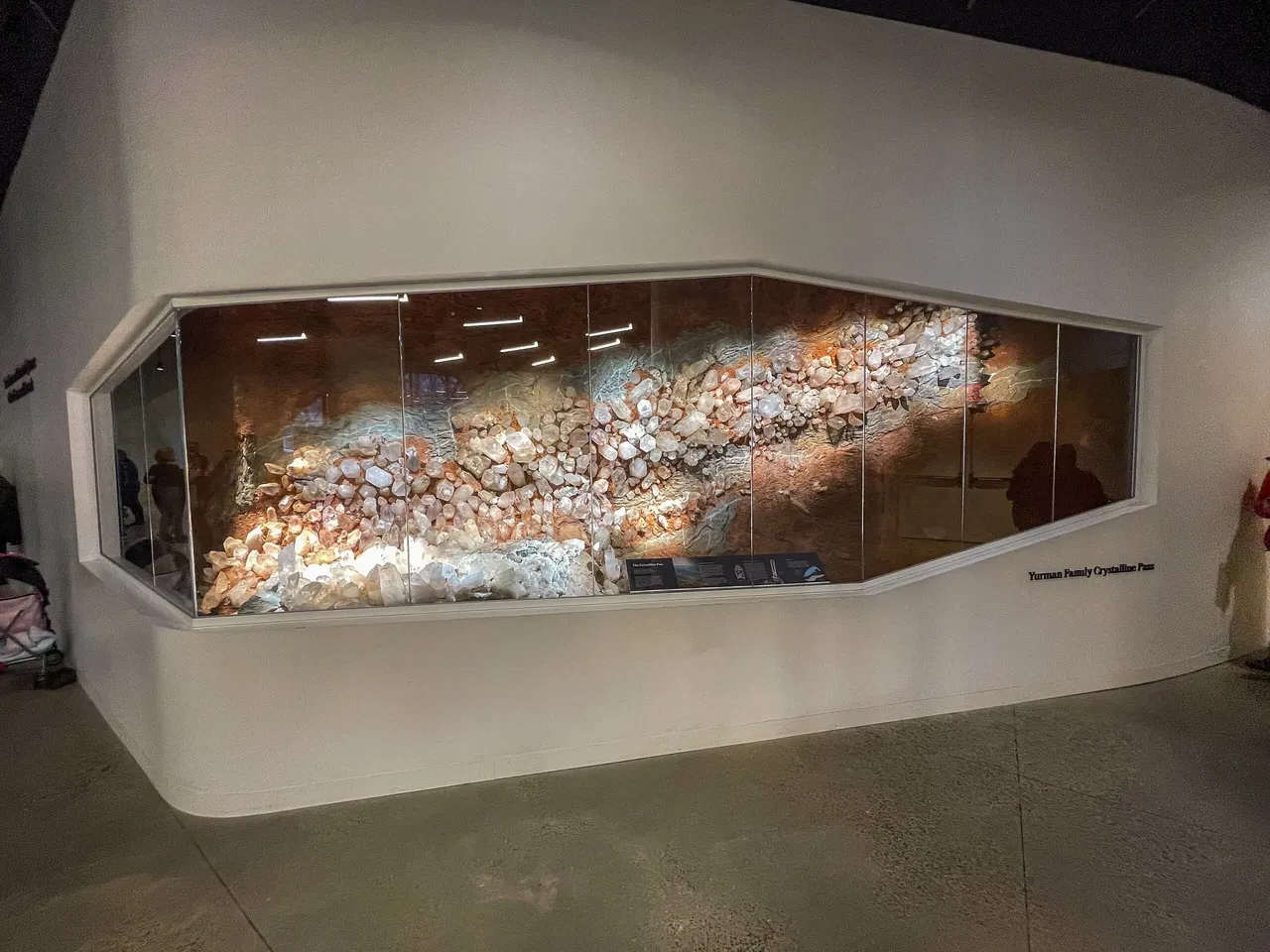
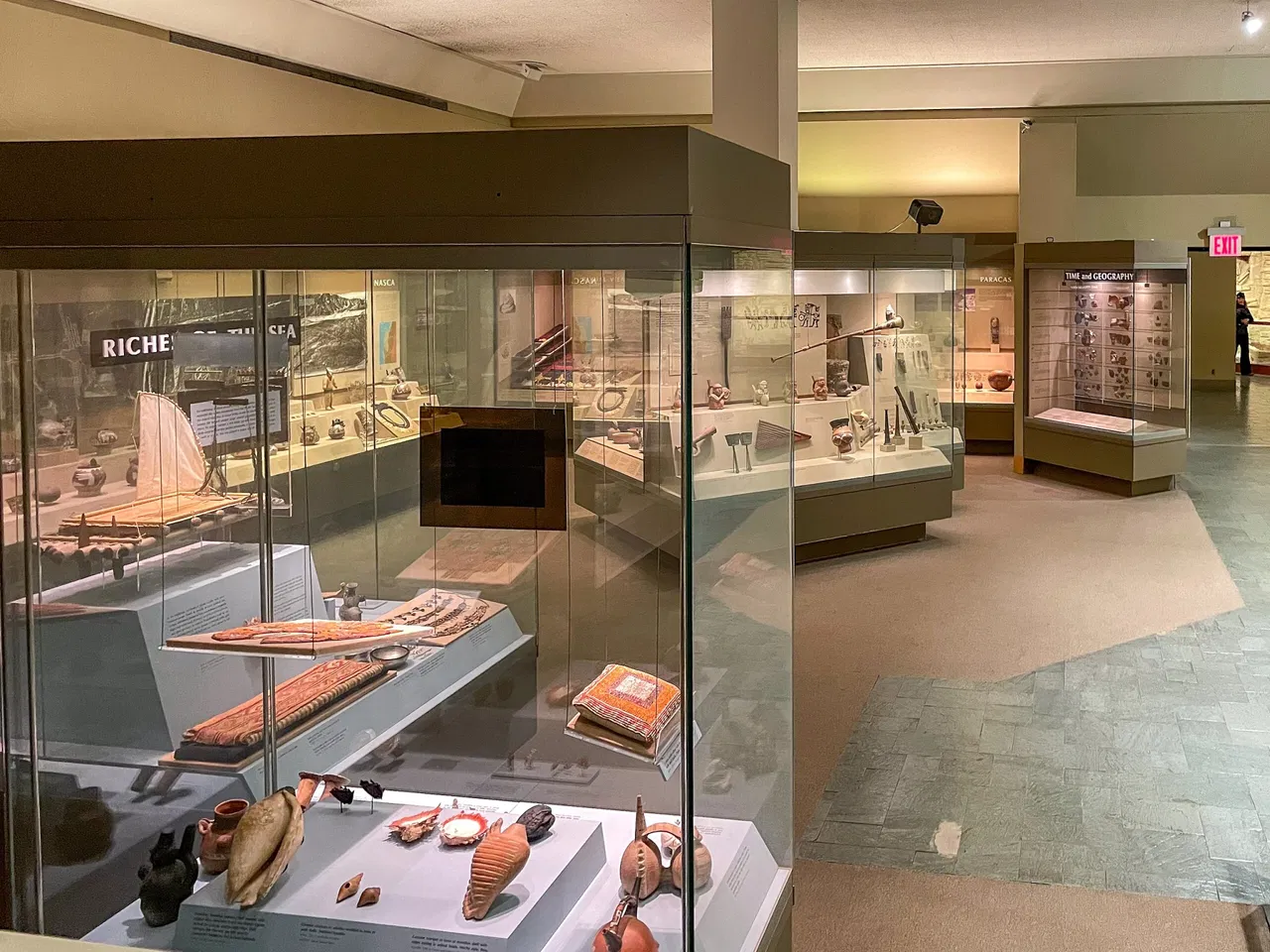
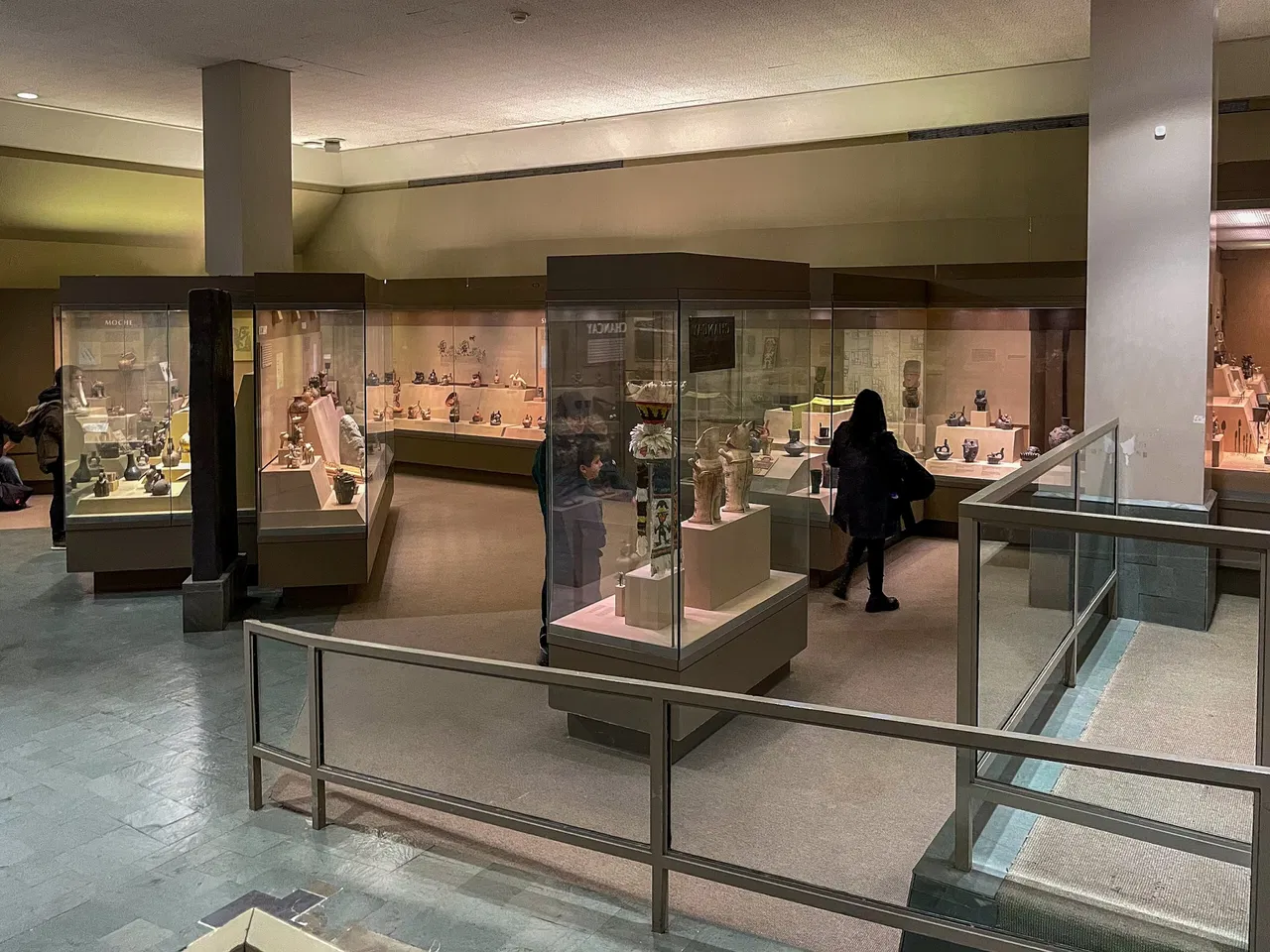
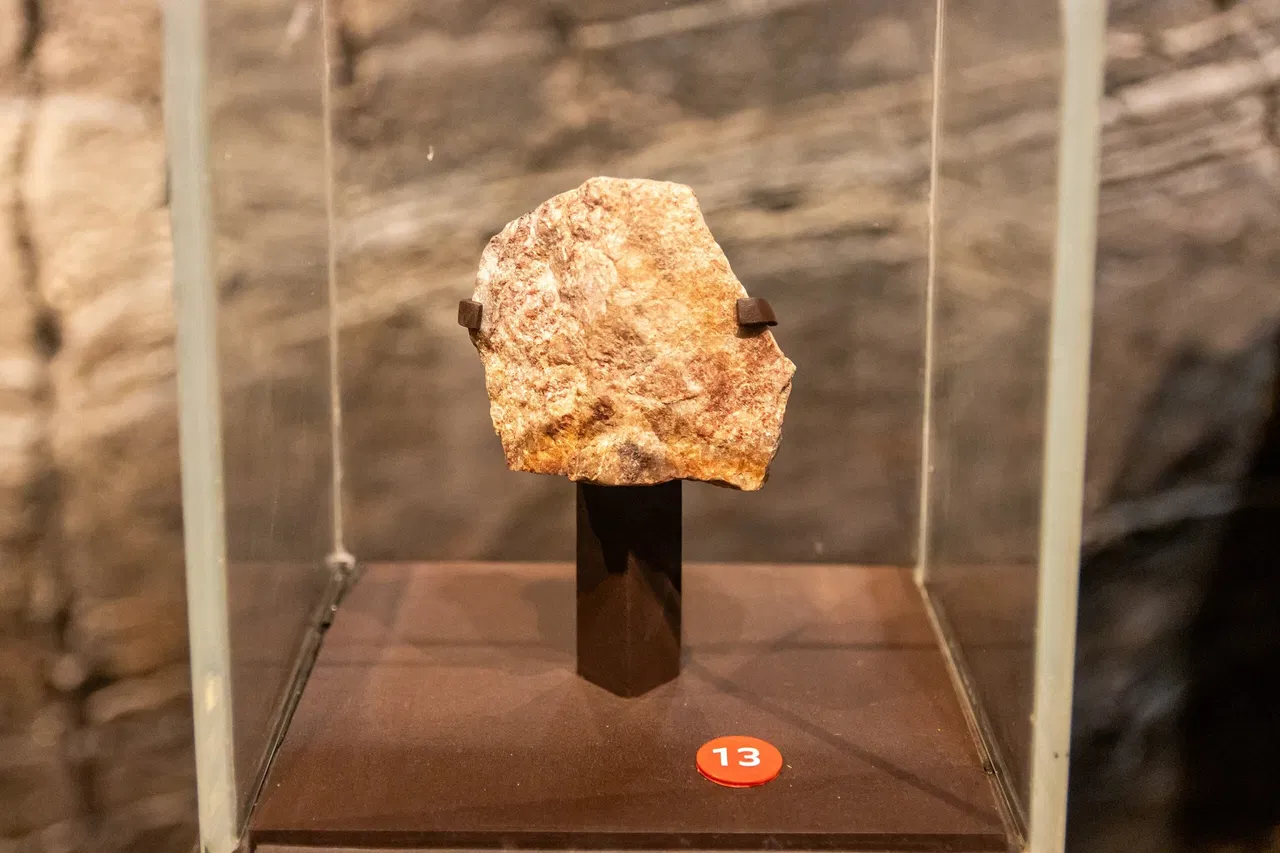
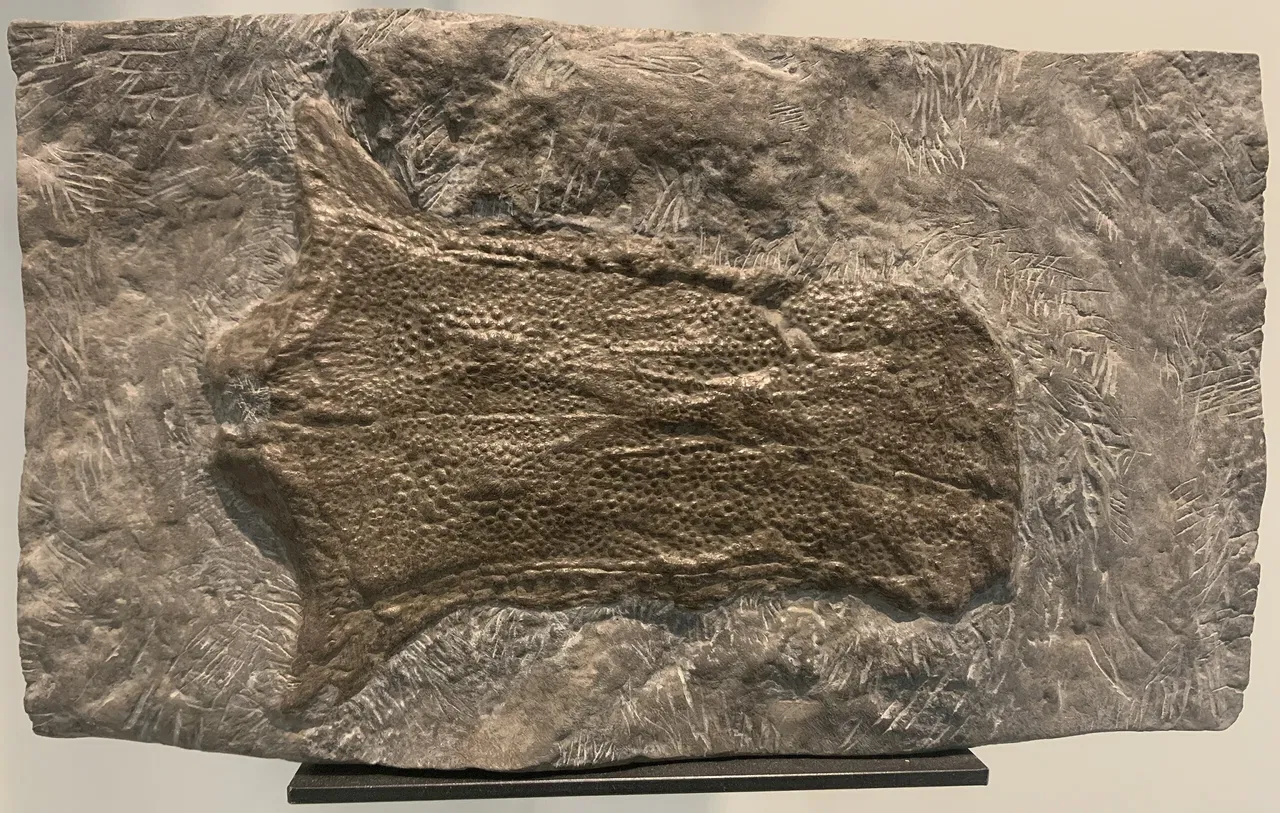
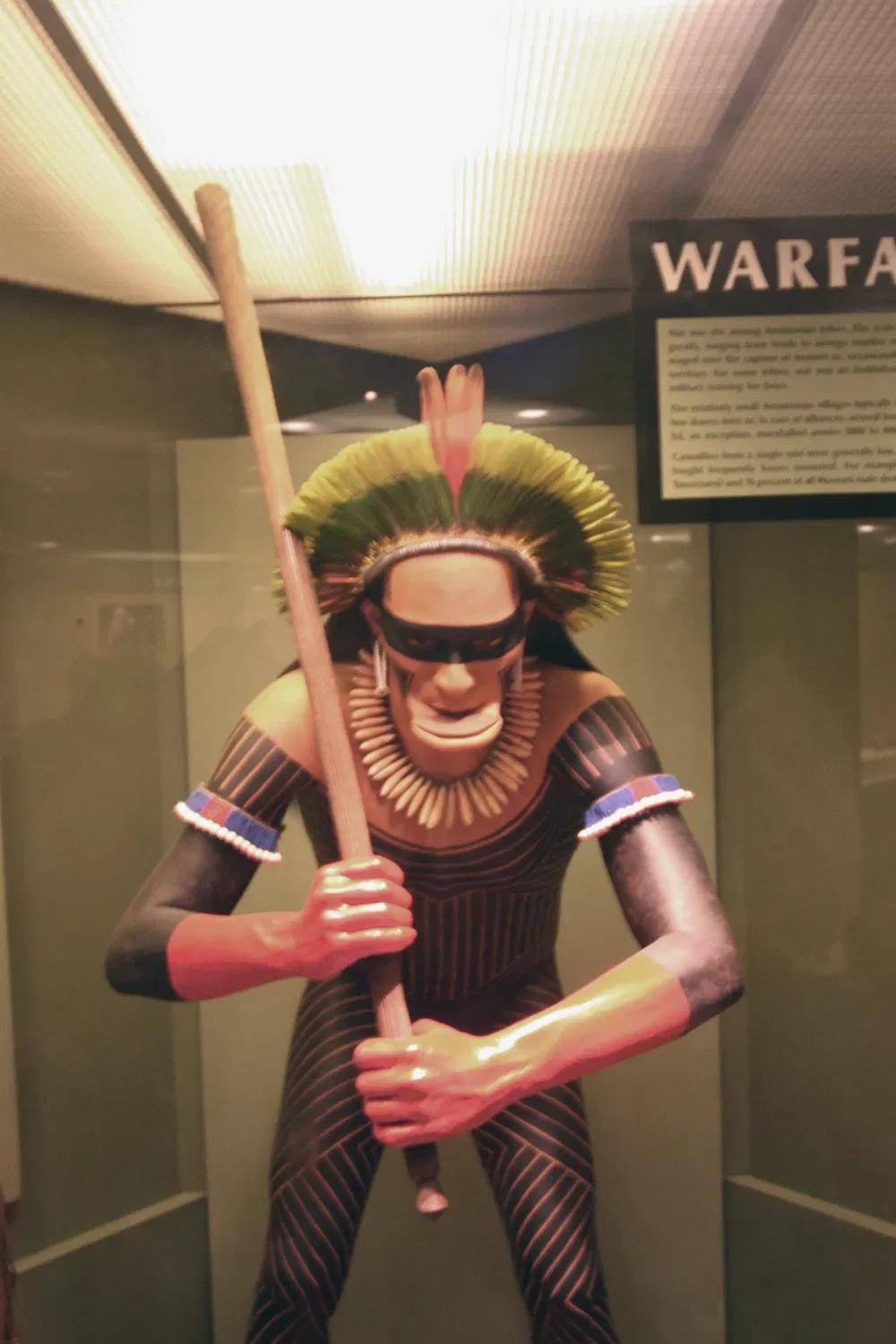
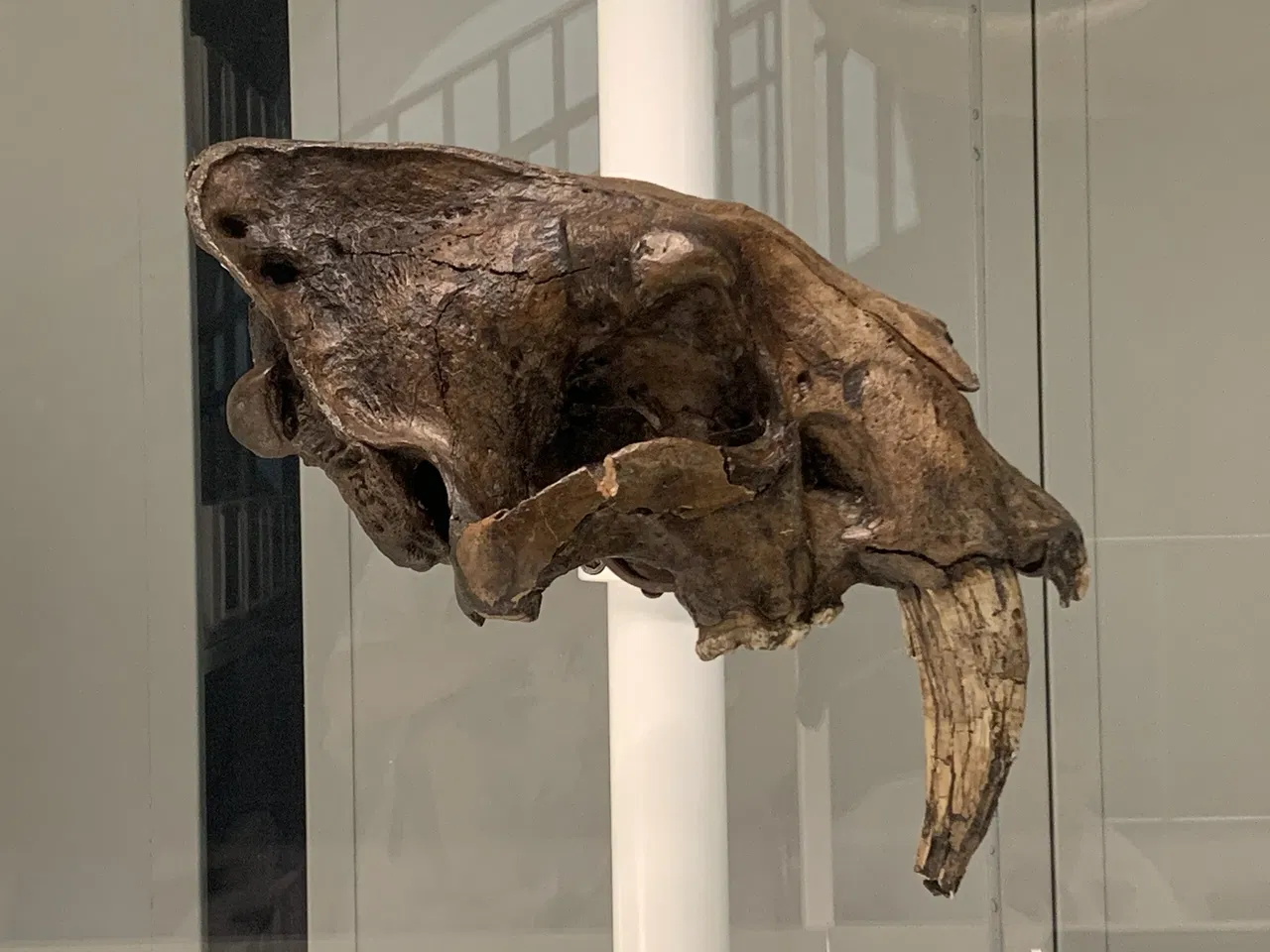
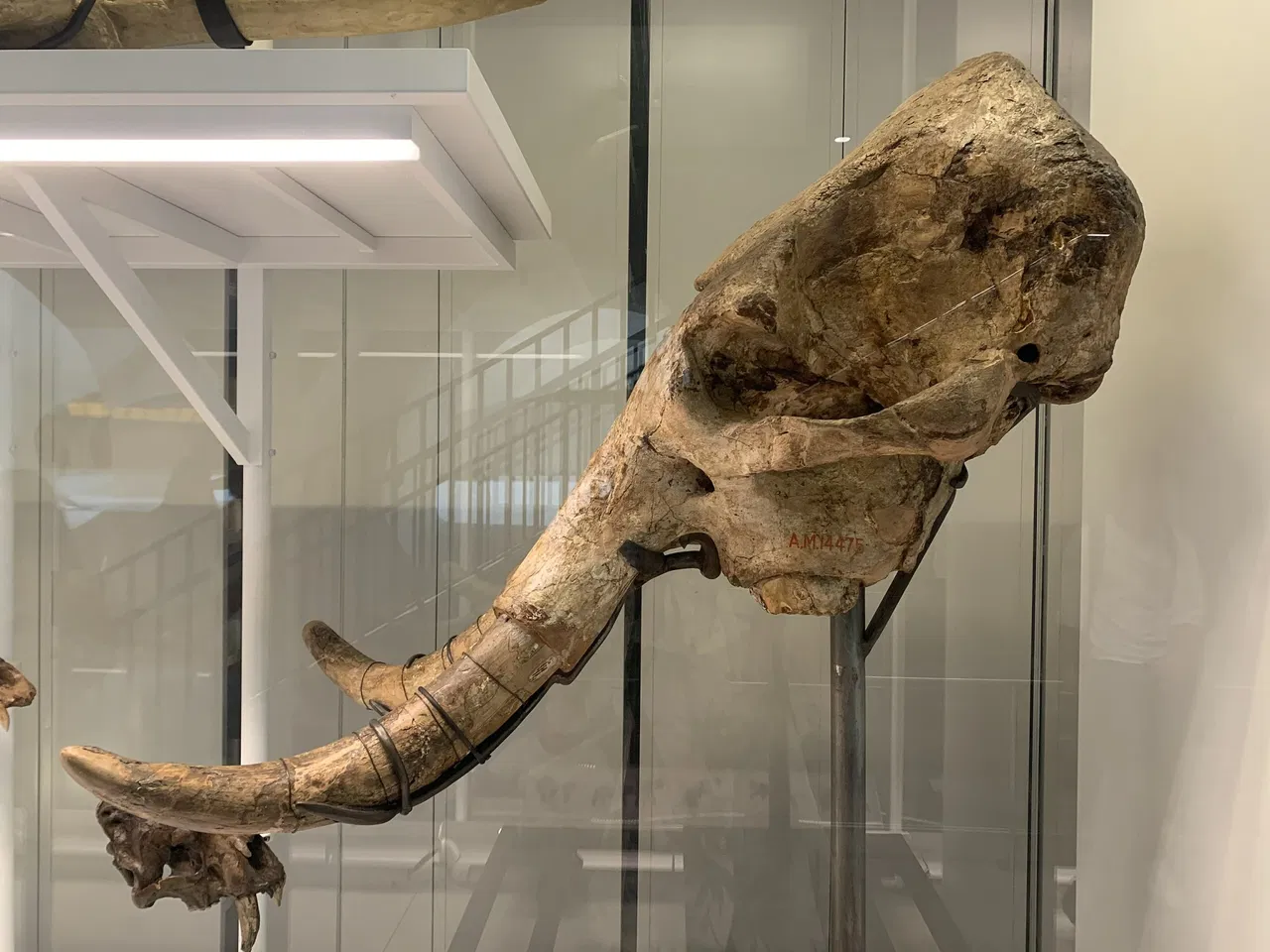
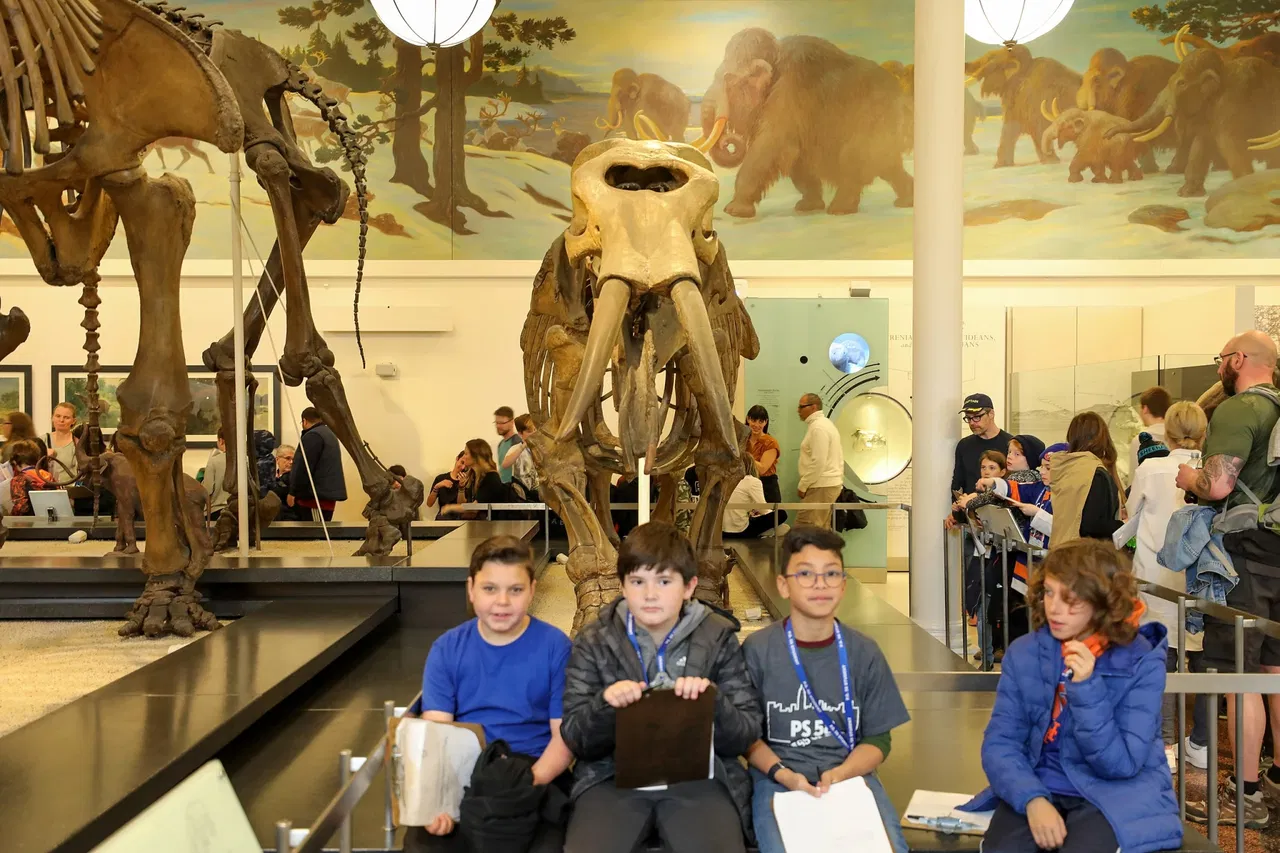
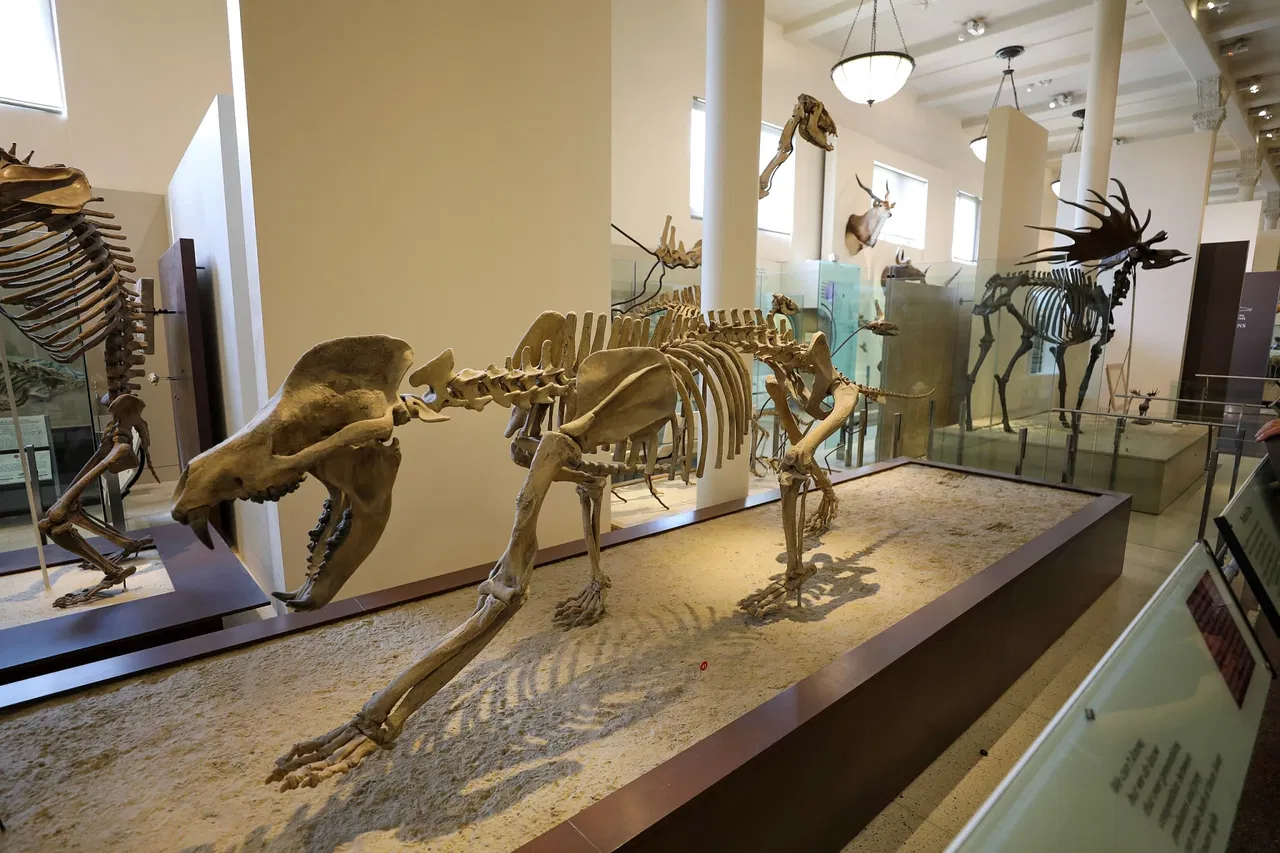
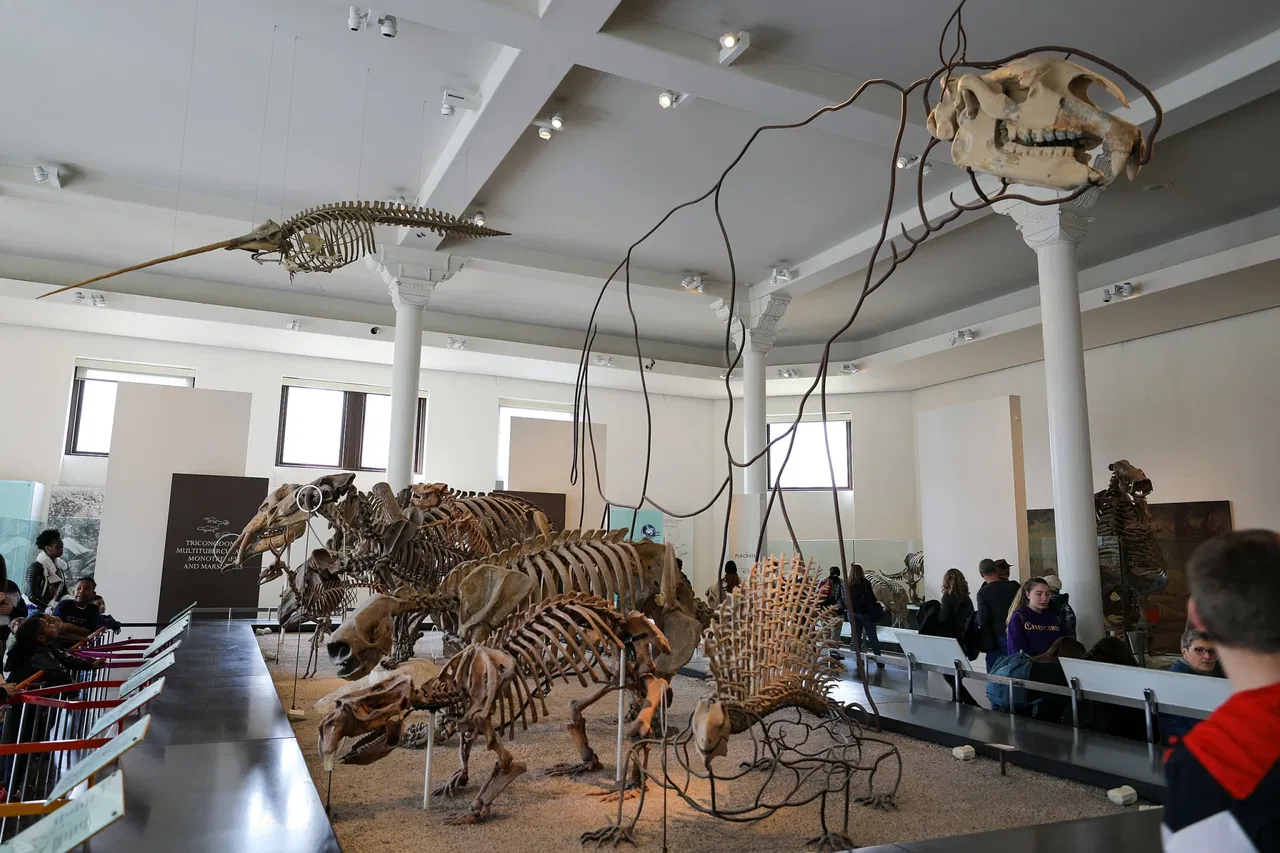
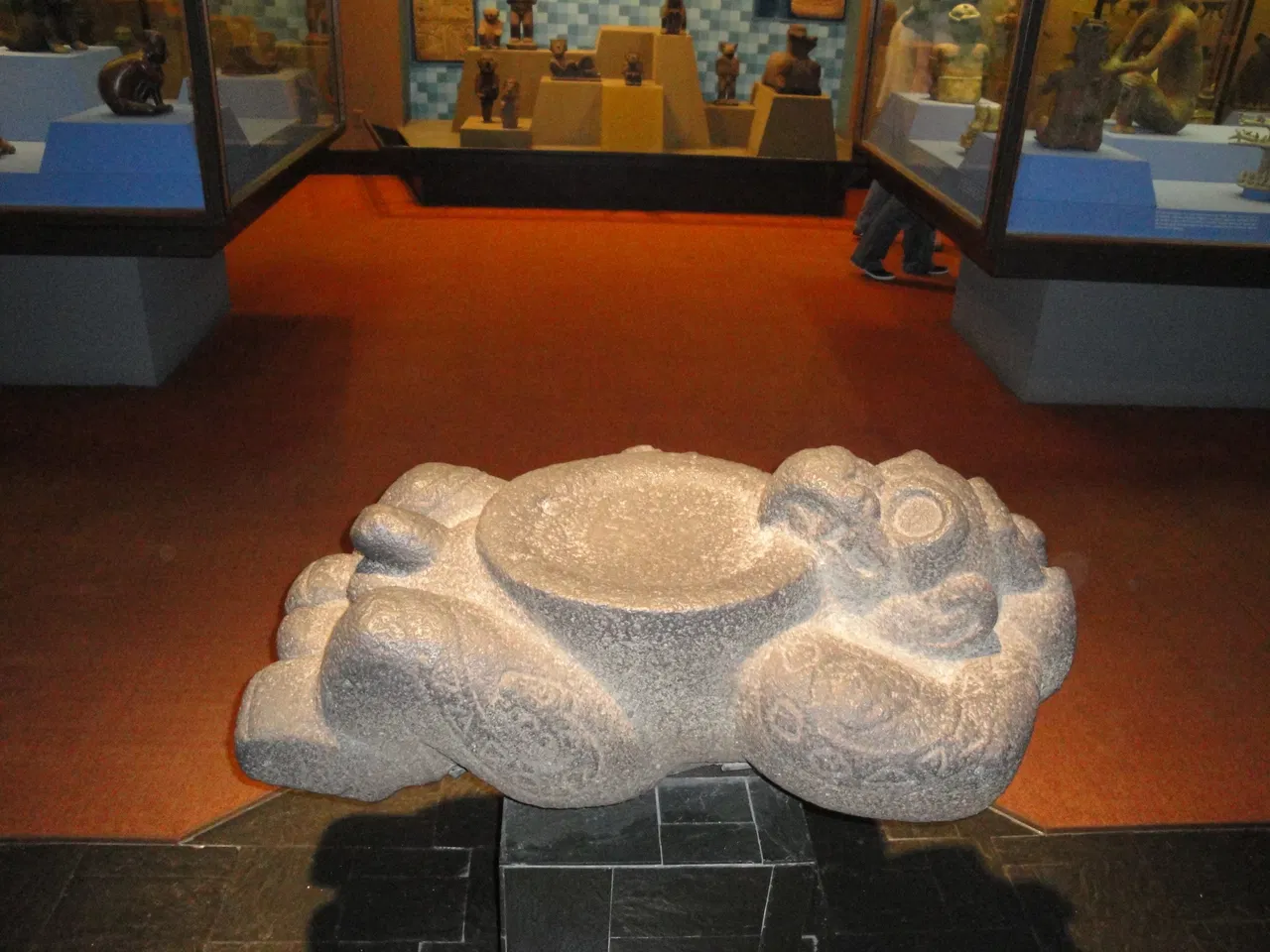
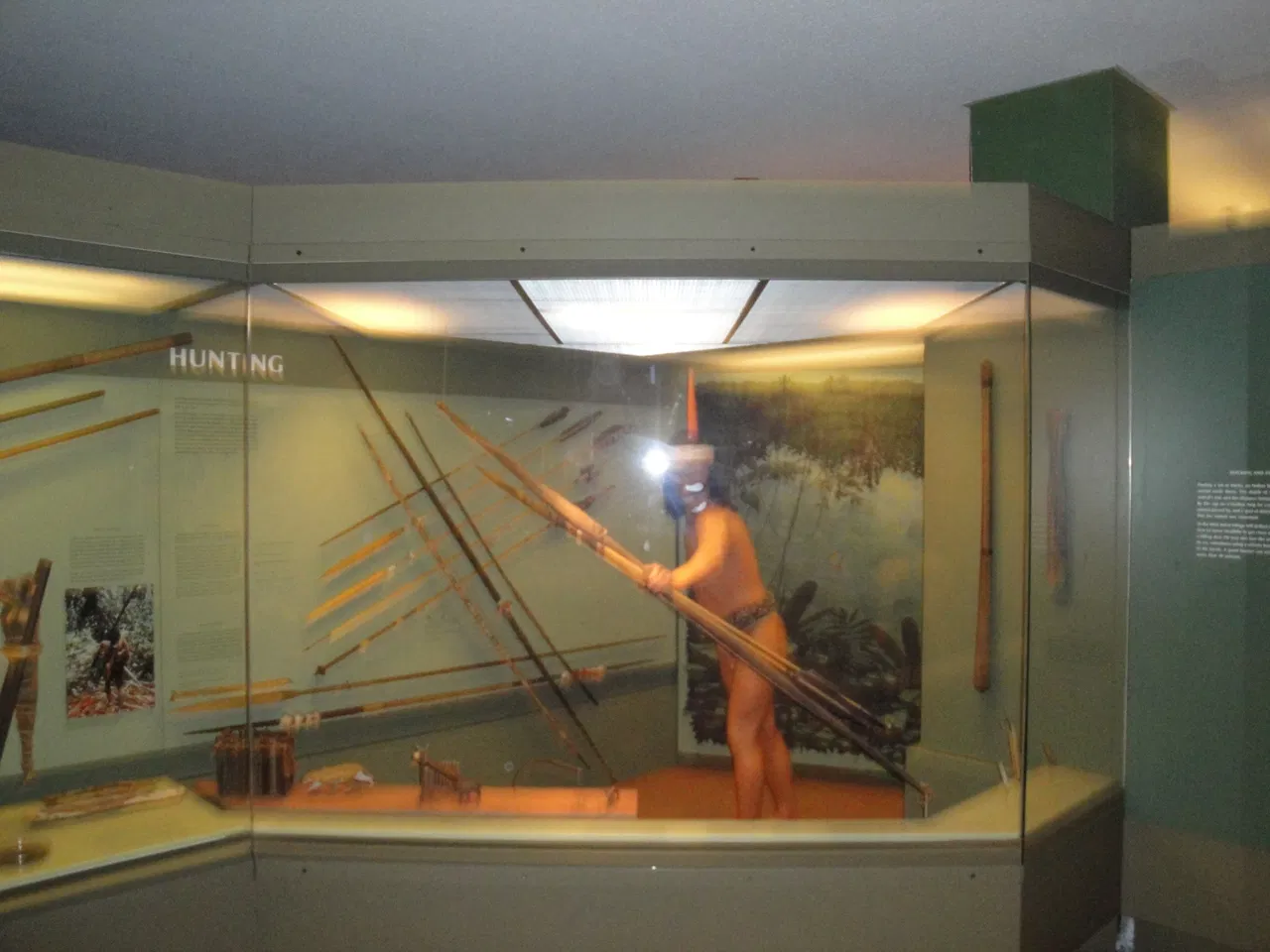
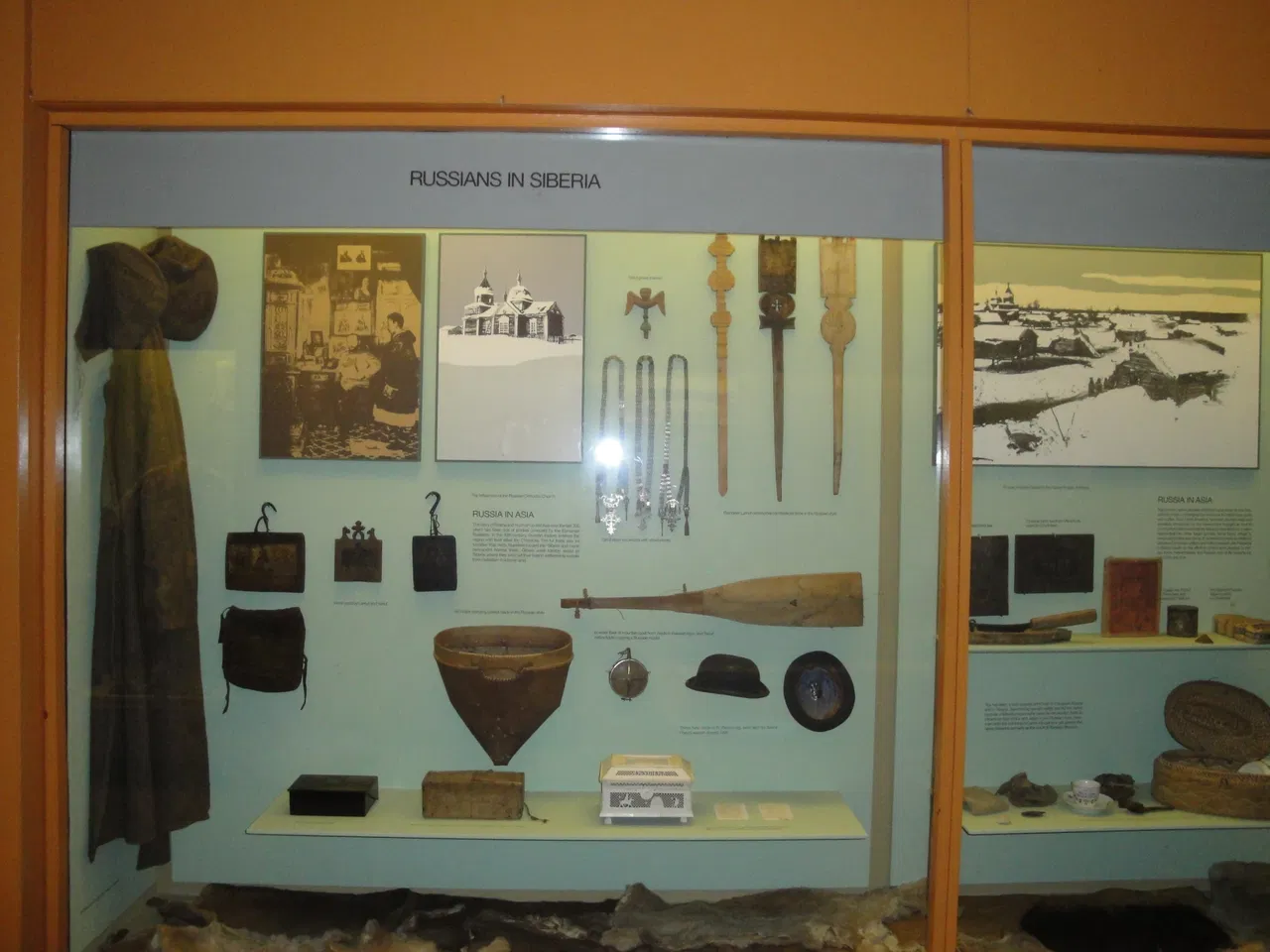
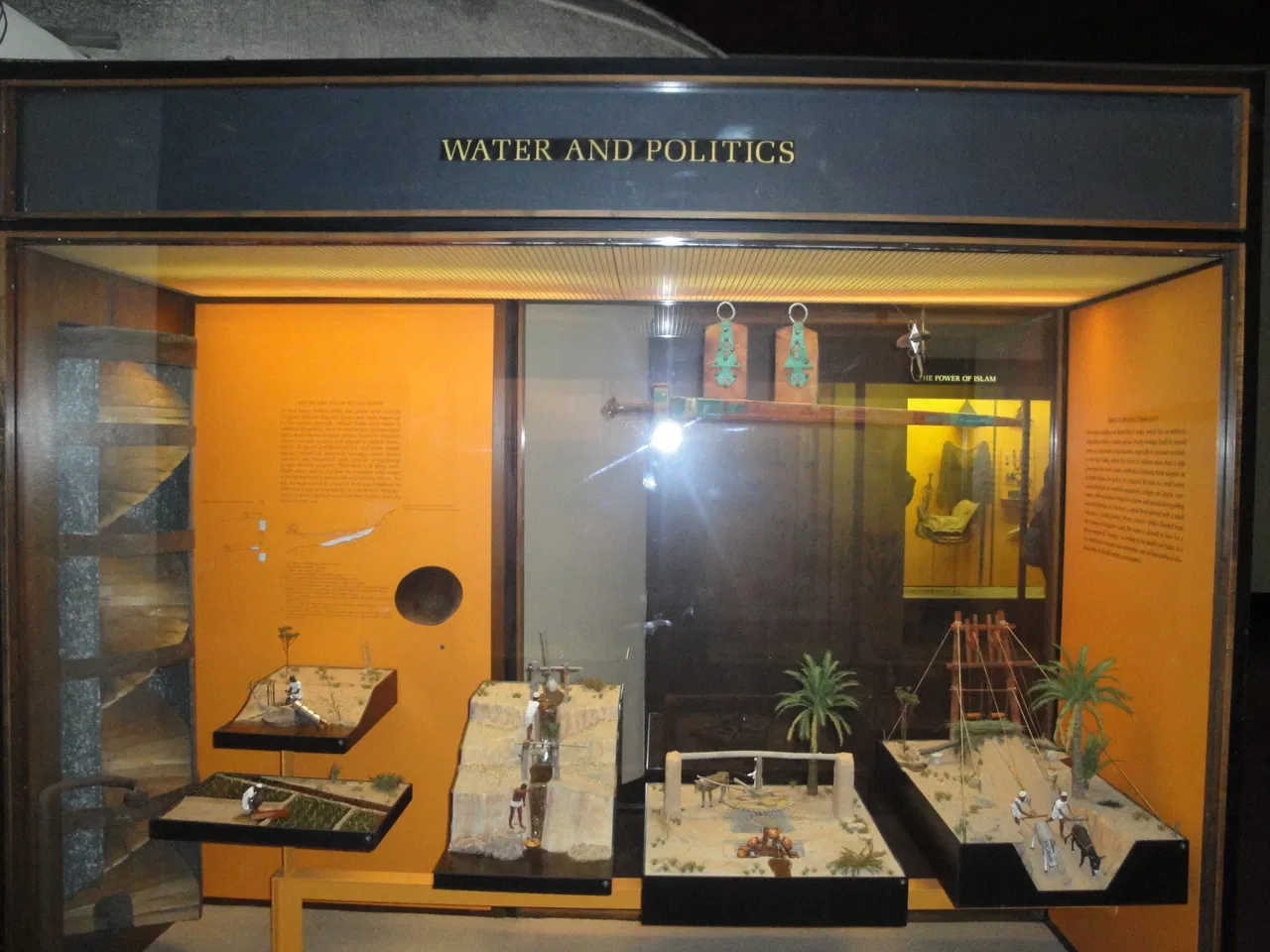
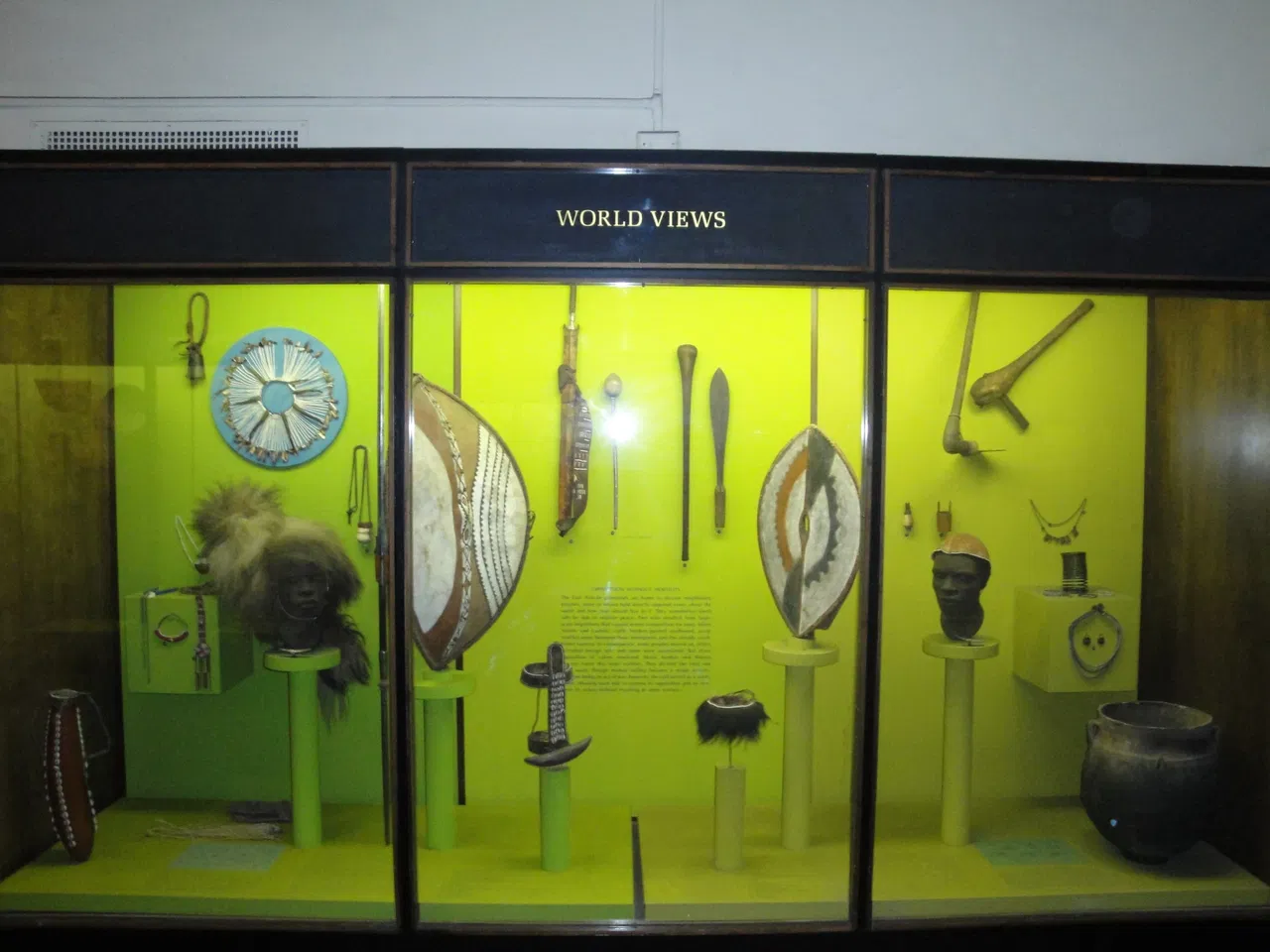
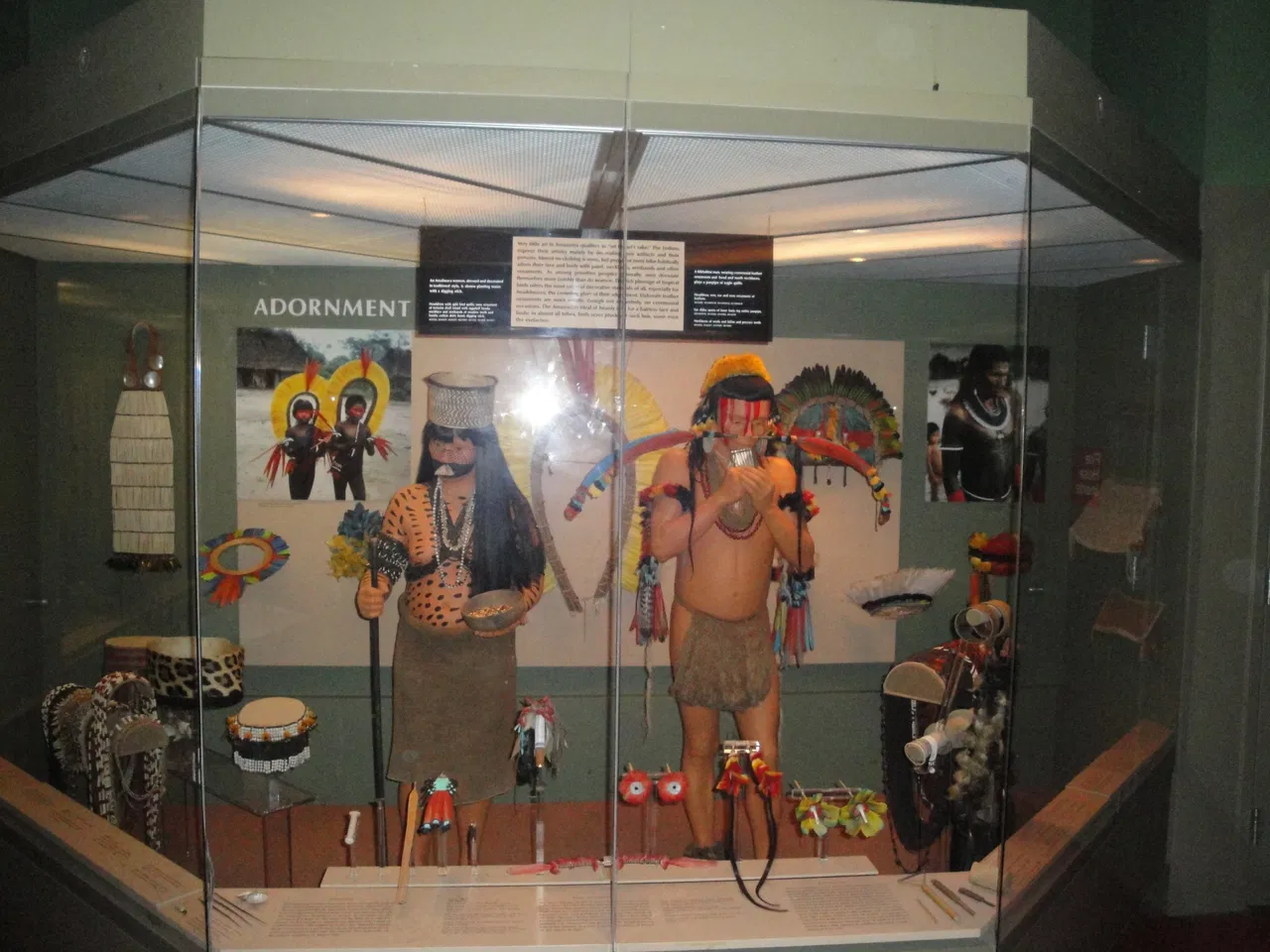
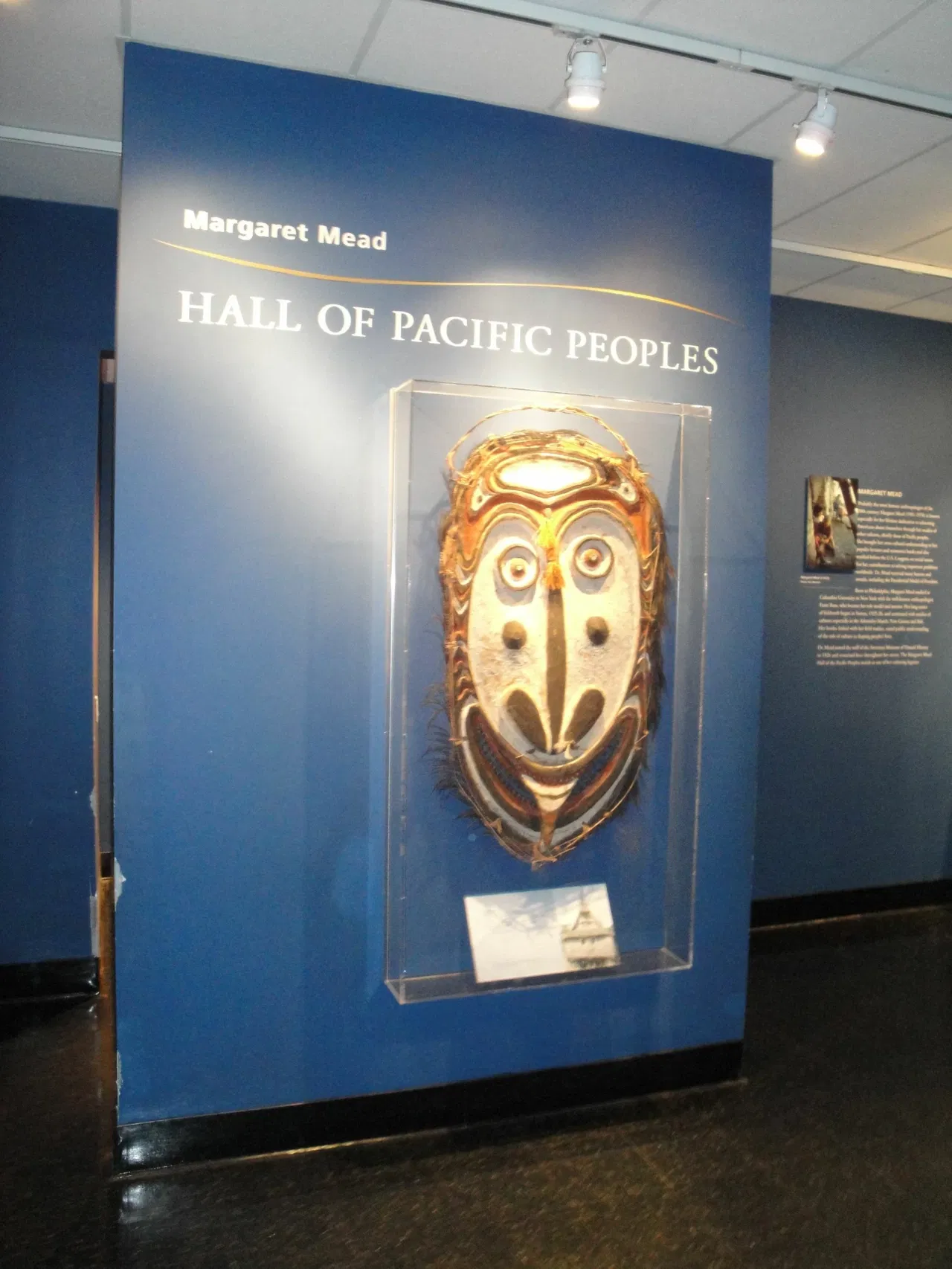
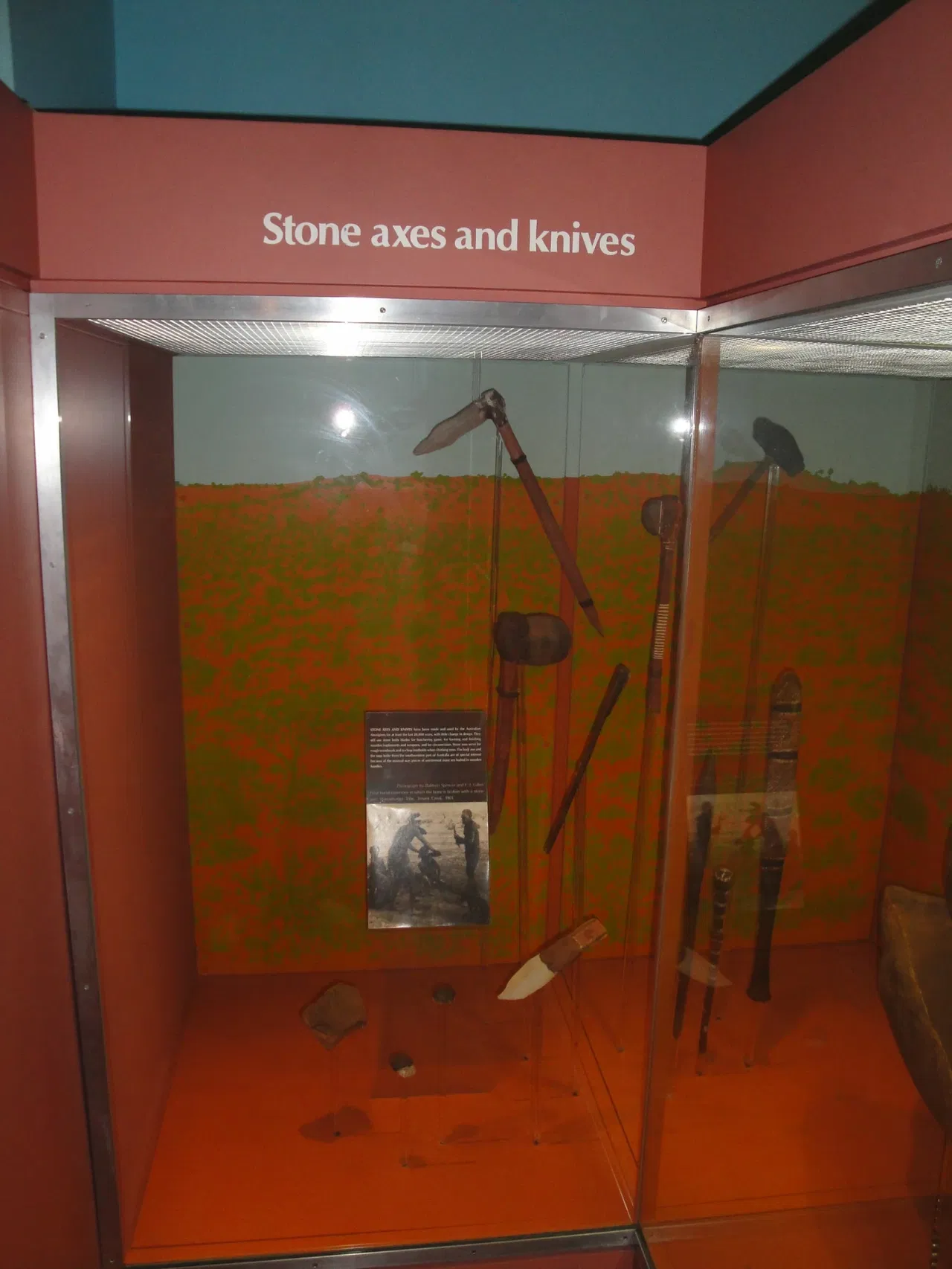
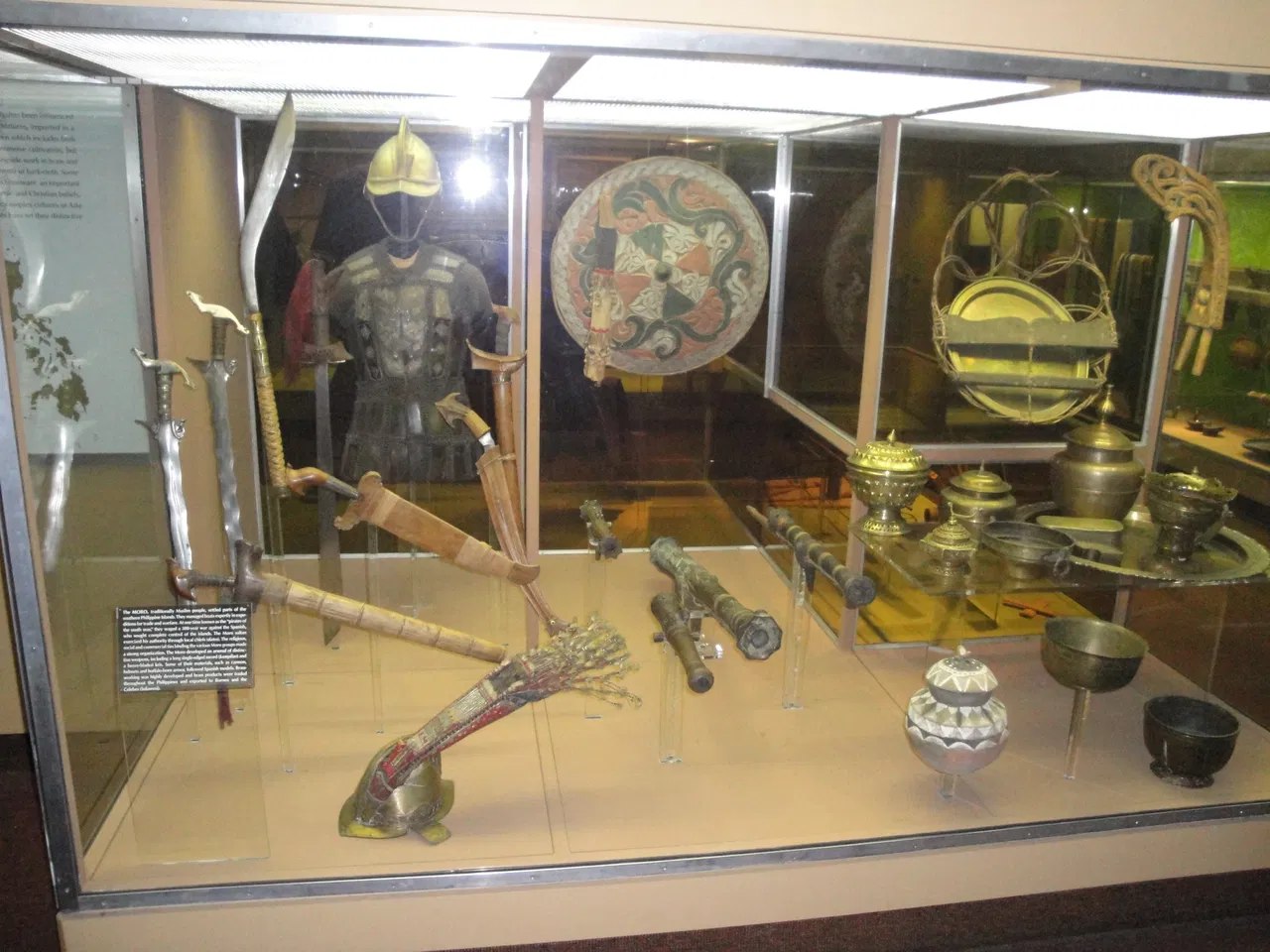
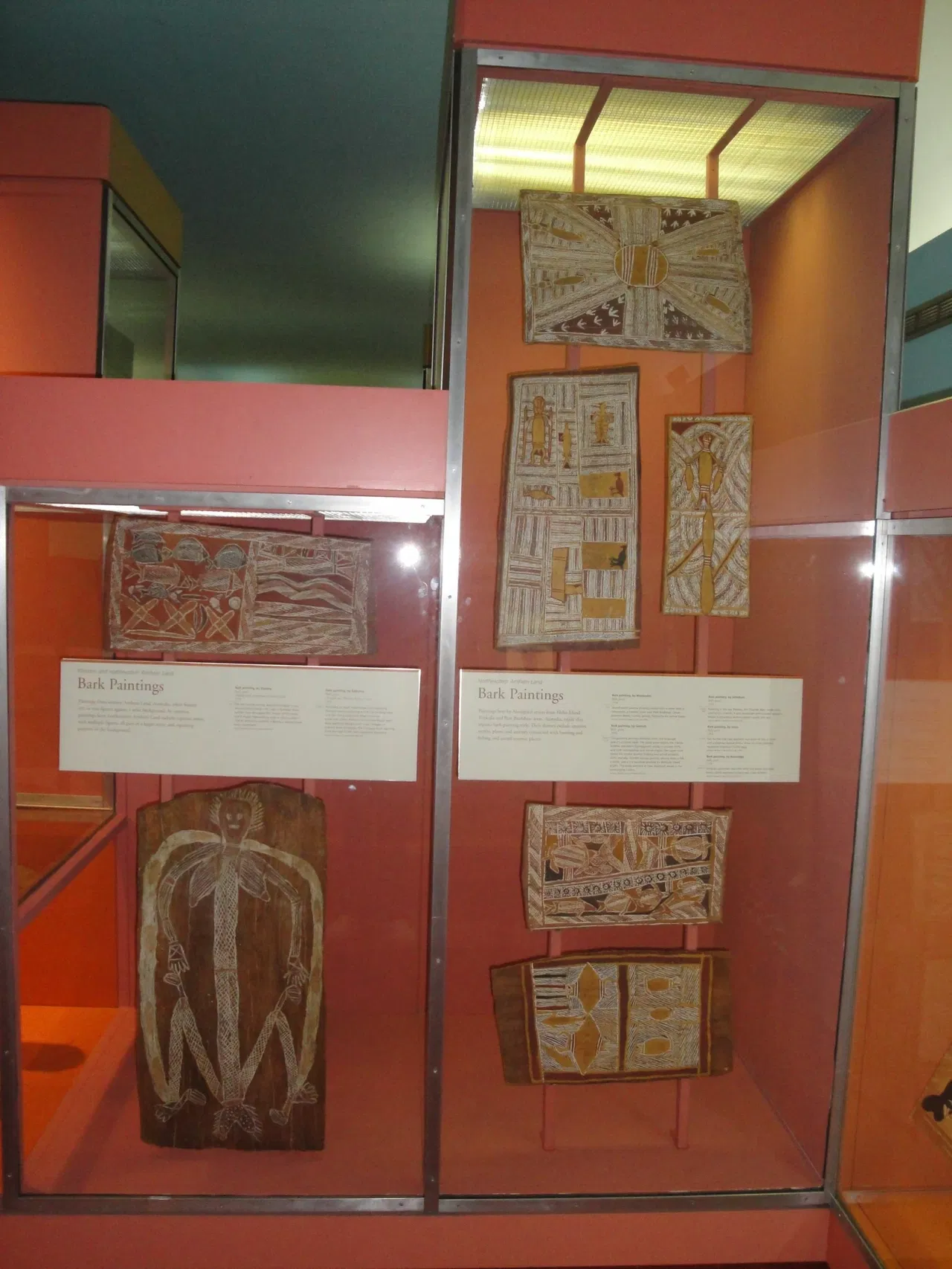
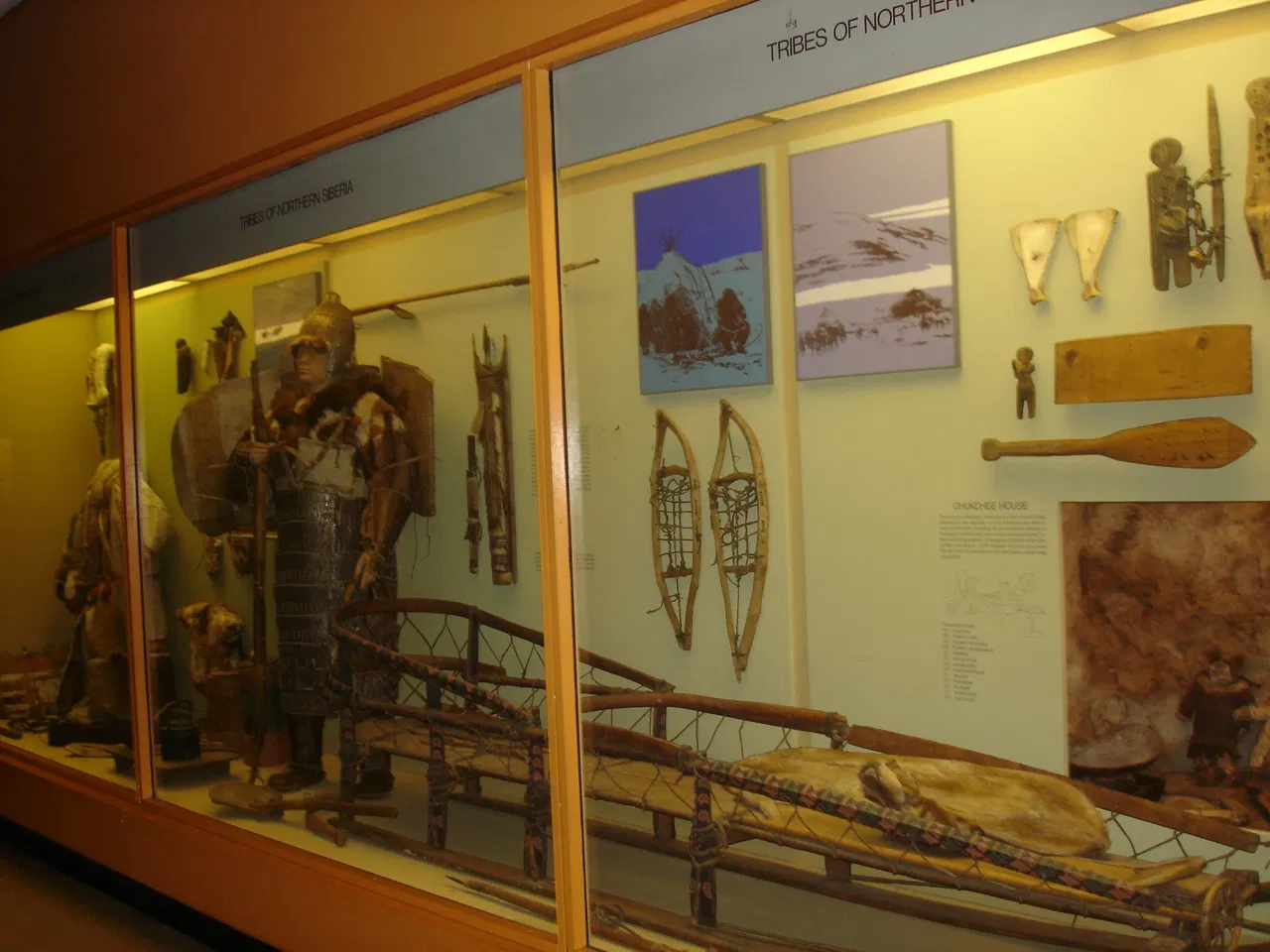
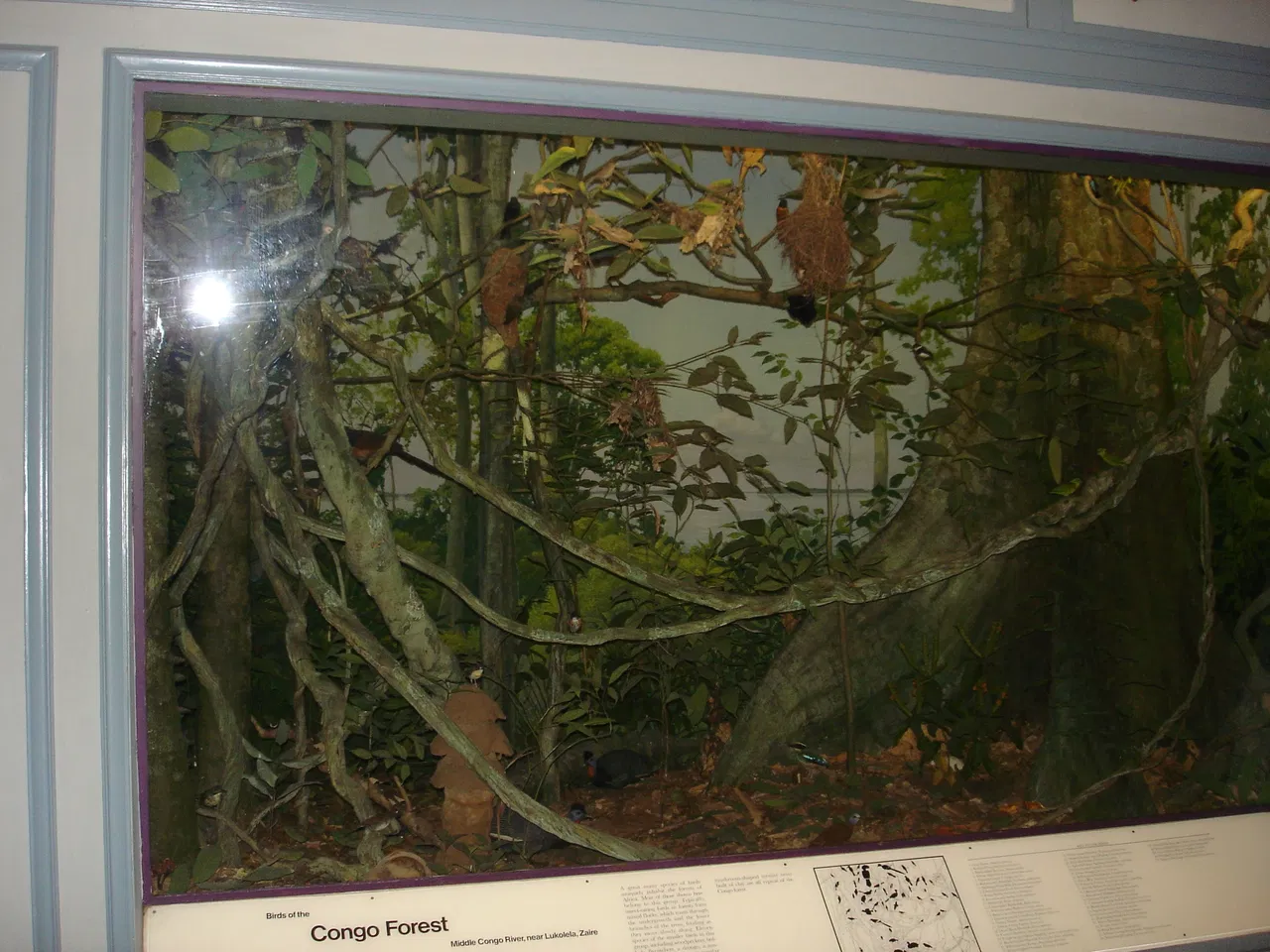
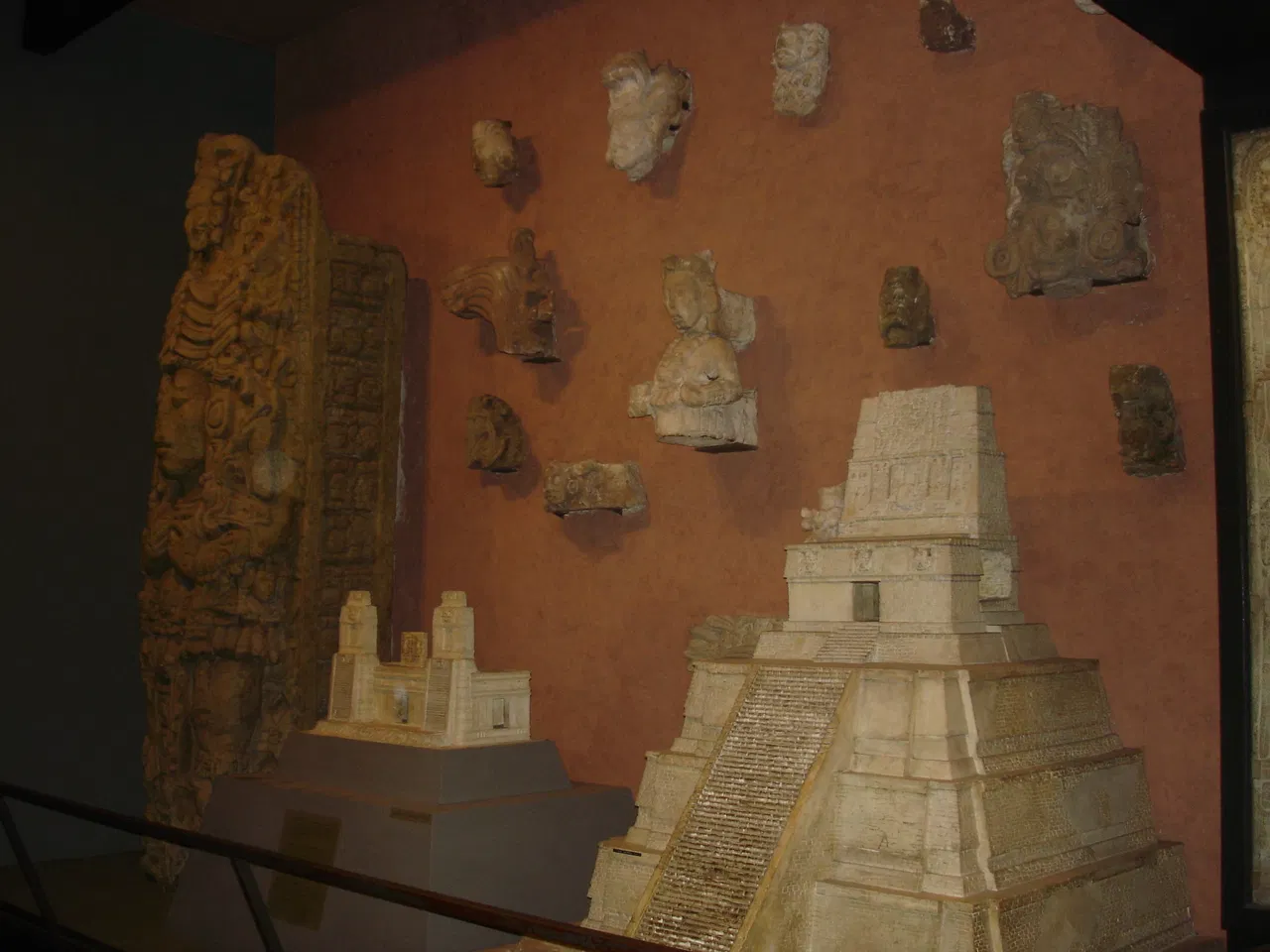
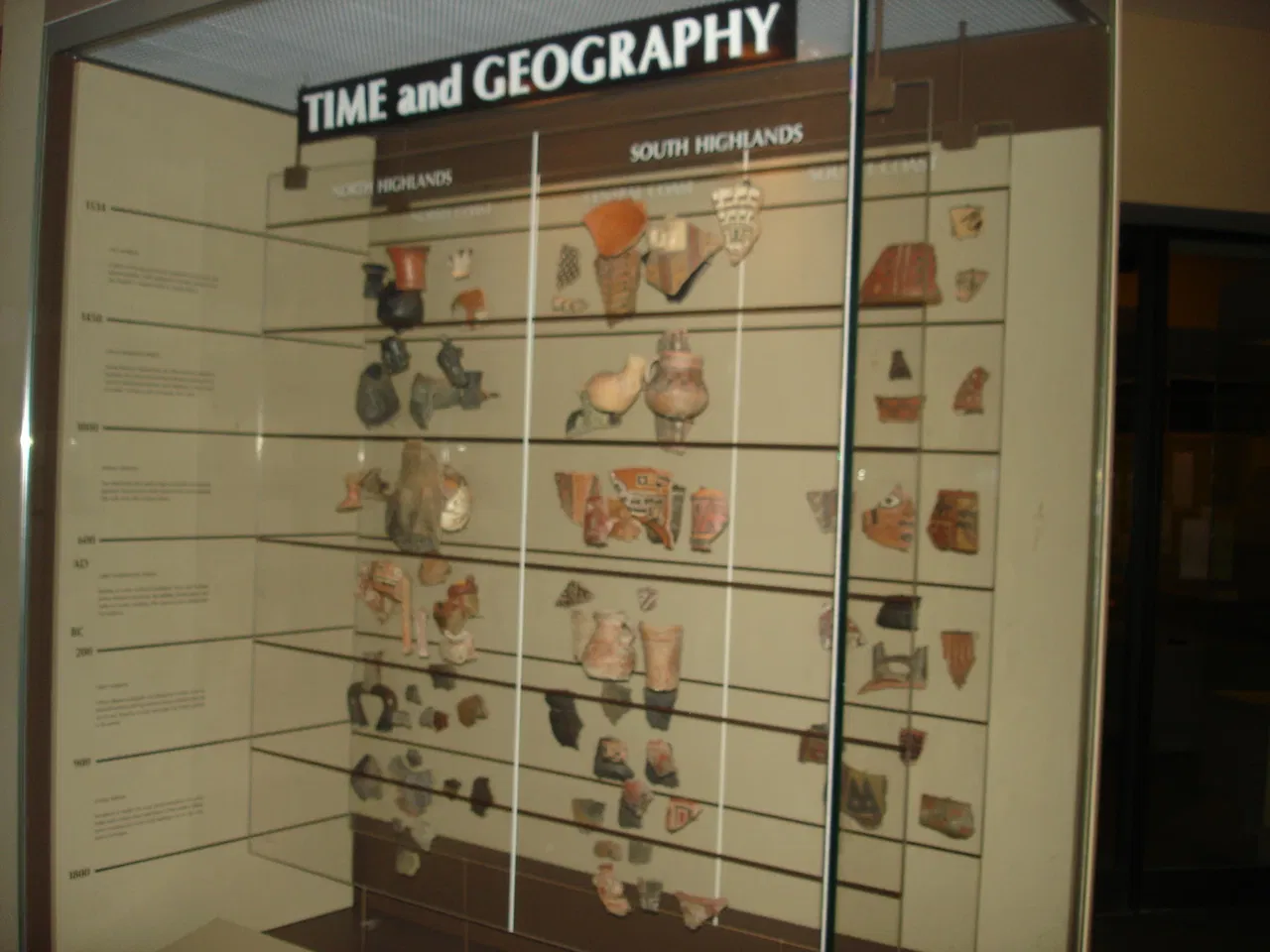
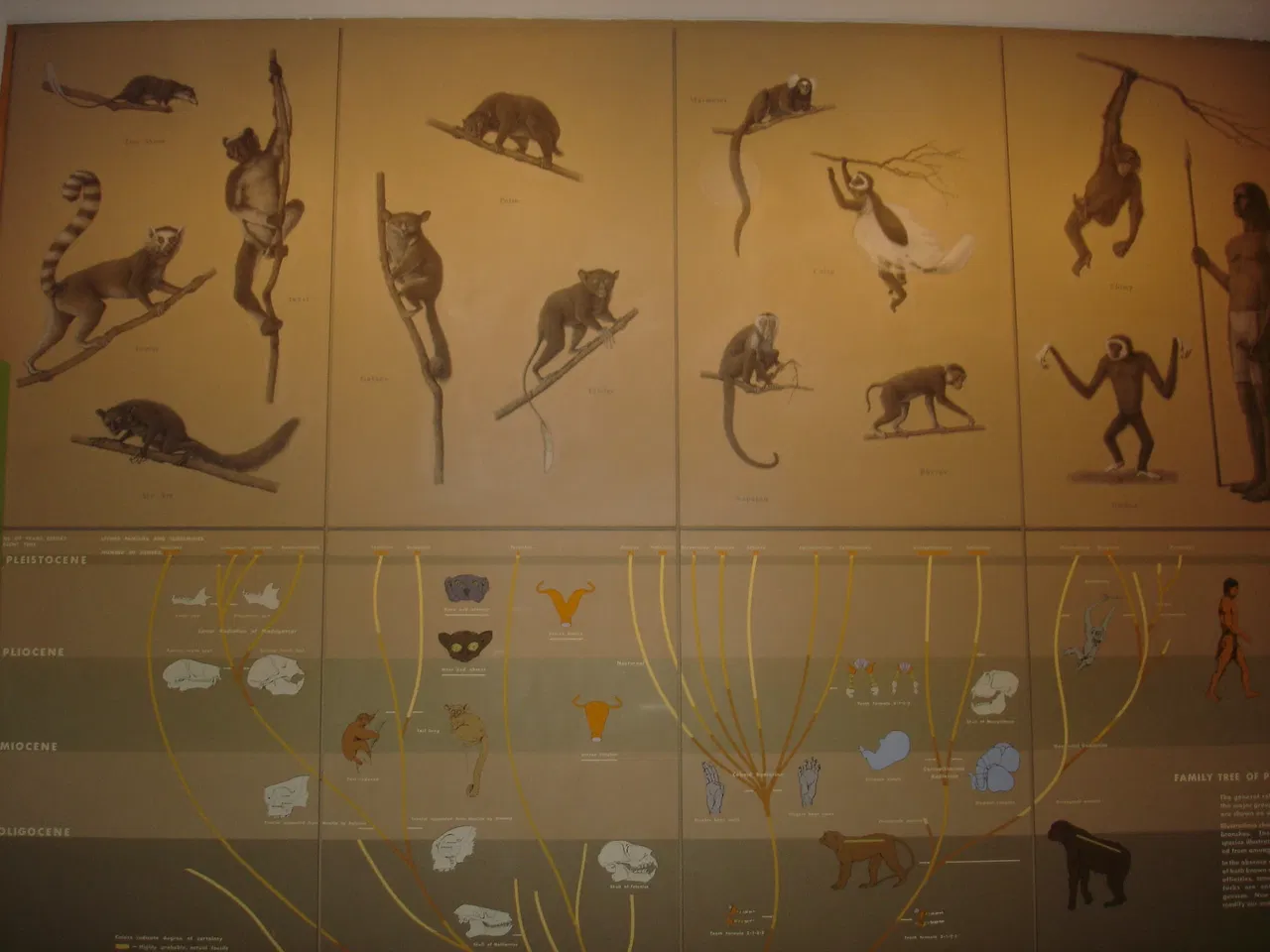
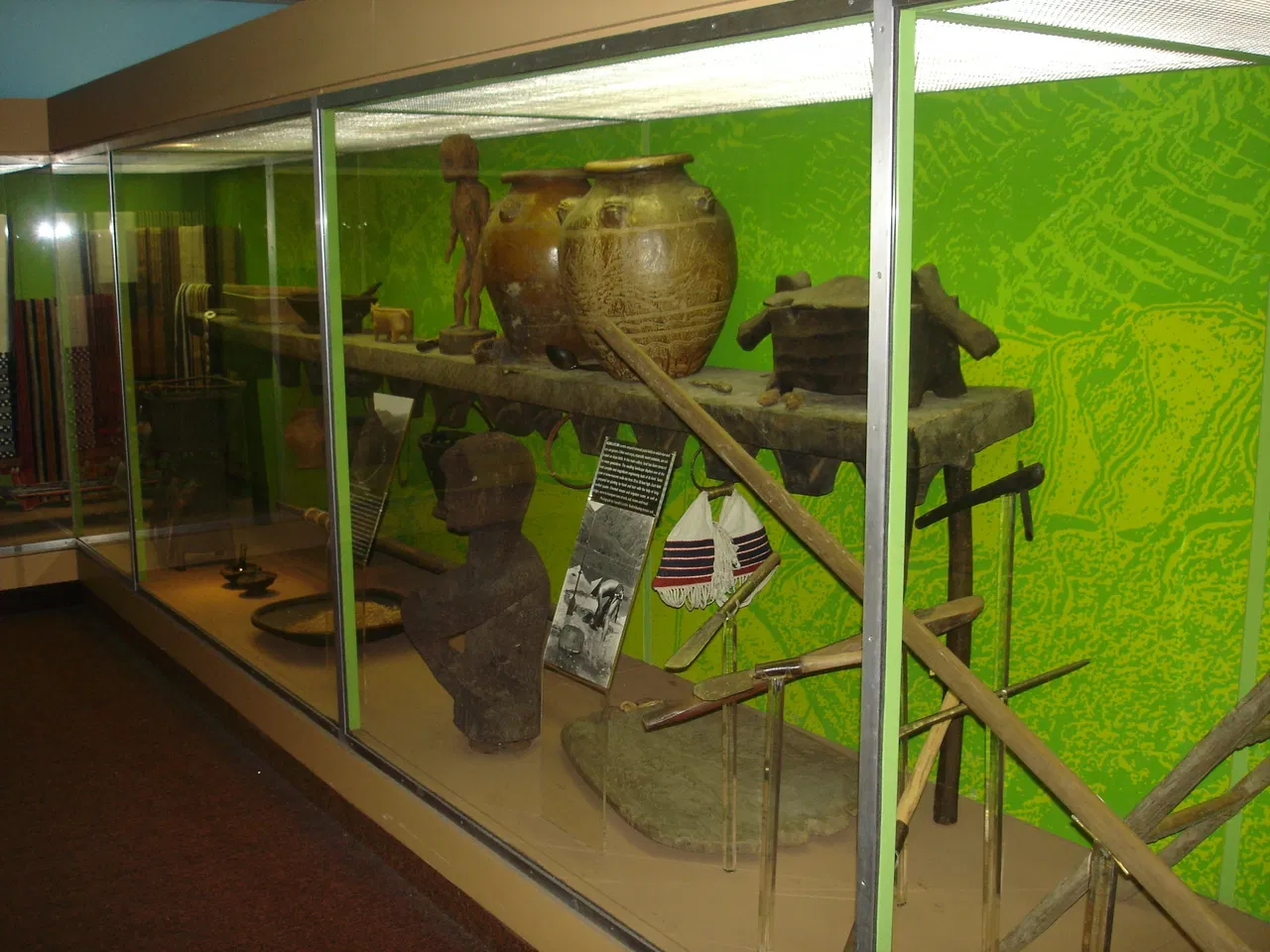
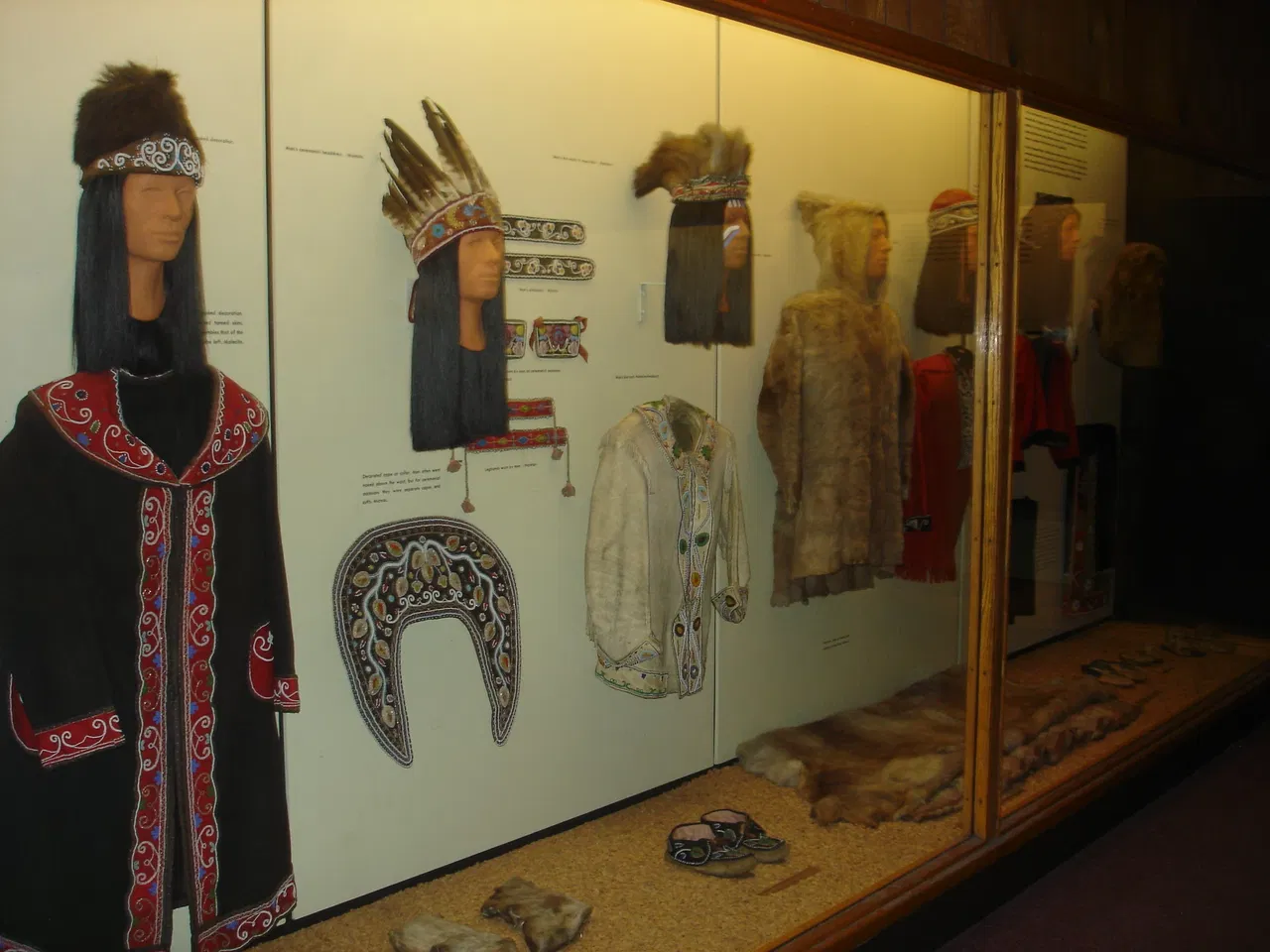
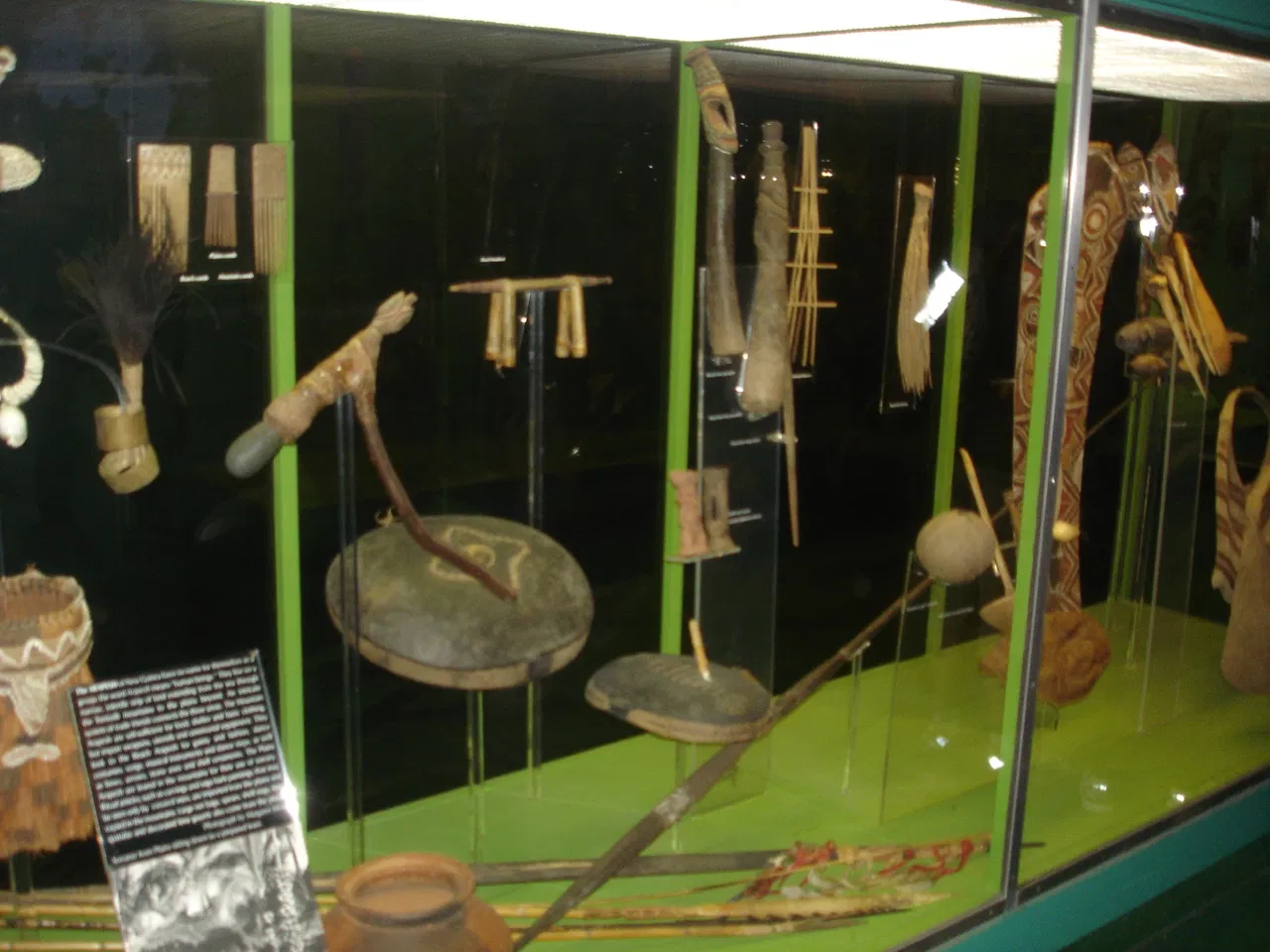

Het American Museum of Natural History, ook bekend als AMNH, is gelegen in de Upper West Side van Manhattan in New York, Verenigde Staten. Deze locatie is gemakkelijk bereikbaar en biedt een verscheidenheid aan andere attracties in de buurt, waardoor het een handige plek is voor toeristen.
Het American Museum of Natural History is een uitgestrekt complex bestaande uit 27 onderling verbonden gebouwen. Deze gebouwen huisvesten 46 permanente tentoonstellingszalen, onderzoekslaboratoria en een gerenommeerde bibliotheek. Deze uitgebreide opzet stelt bezoekers in staat om een breed scala aan tentoonstellingen en collecties te verkennen.
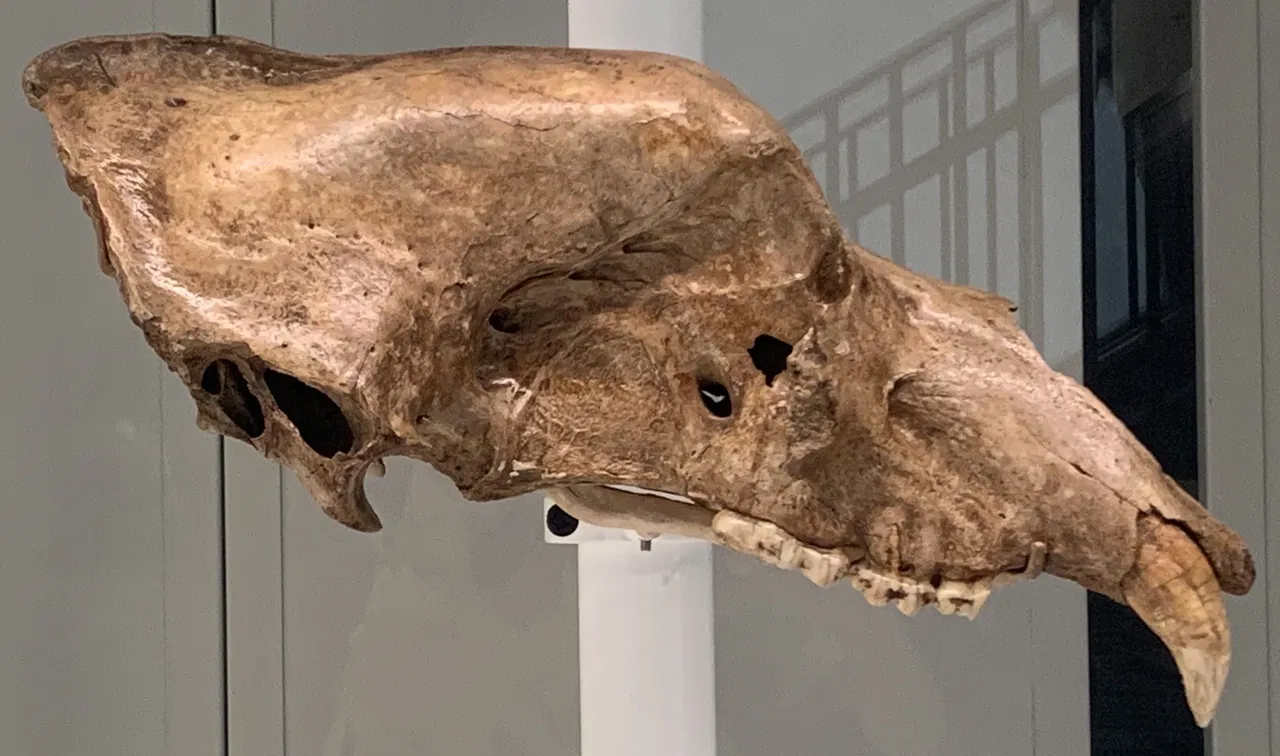
Het American Museum of Natural History beschikt over een collectie van meer dan 34 miljoen exemplaren. Vanwege de omvang van de collectie kan echter slechts een klein deel tegelijk worden tentoongesteld. Dit betekent dat elk bezoek aan het museum een unieke ervaring kan bieden met verschillende tentoonstellingen die worden getoond.
Natuur & Natuurlijke historie Dieren Planten Archeologie Geologie
#3 Natuur & Natuurlijke historie in Verenigde Staten #9 Musea open op maandag in Verenigde Staten #3 Dierenmusea in Verenigde Staten #2 Archeologische musea in Verenigde Staten #1 Geologische musea in Verenigde Staten #2 Plantenmusea in Verenigde Staten #1 Natuur & Natuurlijke historie in New York #3 Musea open op maandag in New York #1 Dierenmusea in New York #1 Archeologische musea in New York #1 Natuur & Natuurlijke historie in New York staat #3 Musea open op maandag in New York staat #1 Dierenmusea in New York staat #1 Archeologische musea in New York staat #1 Geologische musea in New York staat #1 Plantenmusea in New York staat
| Maandag | 10:00 – 17:30 |
| Dinsdag | 10:00 – 17:30 |
| Woensdag | 10:00 – 17:30 |
| Donderdag | 10:00 – 17:30 |
| Vrijdag | 10:00 – 17:30 |
| Zaterdag | 10:00 – 17:30 |
| Zondag | 10:00 – 17:30 |
Central Park West 180, New York
15 mei 2026 – 4 jan 2027
25 nov 2025 – 31 dec 2026
11 jun 2026 – 1 okt 2026

18 mei 2026 – 14 sep 2026
4 nov 2024 – 1 jan 2026
14 nov 2023 – 4 aug 2025
28 sep 2023 – 1 jan 2026
17 jul 2023 – 1 sep 2025
Er zijn 2 beoordelingen van American Museum of Natural History.
Het American Museum of Natural History in New York City is een gerenommeerde instelling met een uitgebreide collectie tentoonstellingen over verschillende wetenschappelijke disciplines. Bezoekers prijzen vaak de diverse reeks displays van het museum, van dinosaurusfossielen tot ruimteverkenning. Het planetarium krijgt hoge cijfers voor zijn meeslepende shows, terwijl de vlindertuin vaak wordt genoemd als een hoogtepunt. Veel recensenten waarderen de educatieve waarde van het museum voor zowel kinderen als volwassenen. Sommige bezoekers merken echter op dat het museum druk kan zijn, vooral tijdens piekuren, wat de algehele ervaring kan beïnvloeden. Een paar recensenten vermelden dat sommige tentoonstellingen baat zouden hebben bij updates of renovaties. Ondanks deze kleine nadelen, vindt de meerderheid van de bezoekers het museum een informatieve en boeiende ervaring, die een uitgebreide kijk biedt op natuurlijke historie en wetenschap. De enorme omvang van het museum betekent dat de meeste bezoekers aanraden om een volledige dag uit te trekken om de uitgebreide collecties grondig te verkennen.

We visited American Museum of Natural History on Jun 25, 2025. Tickets were purchased online by scanning the QR code posted by the entrance. My primary concern was my backpack being too large to be allowed in per their policy. In addition, it contained my laptop. Then I noticed that a departing visitor had a backpack about the size as mine. At the was security checkpoint, my backpack was searched, and then we were allowed in.
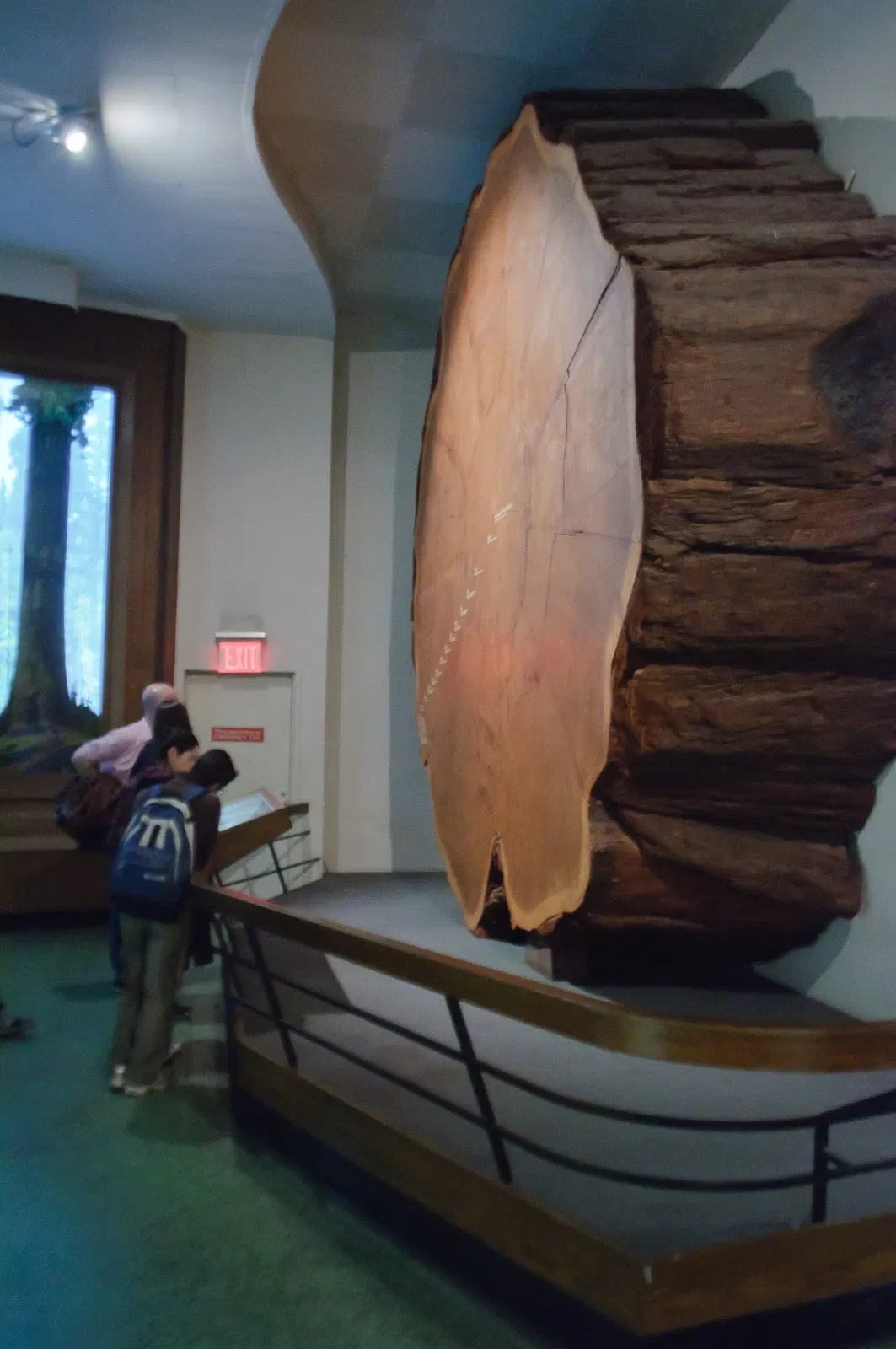
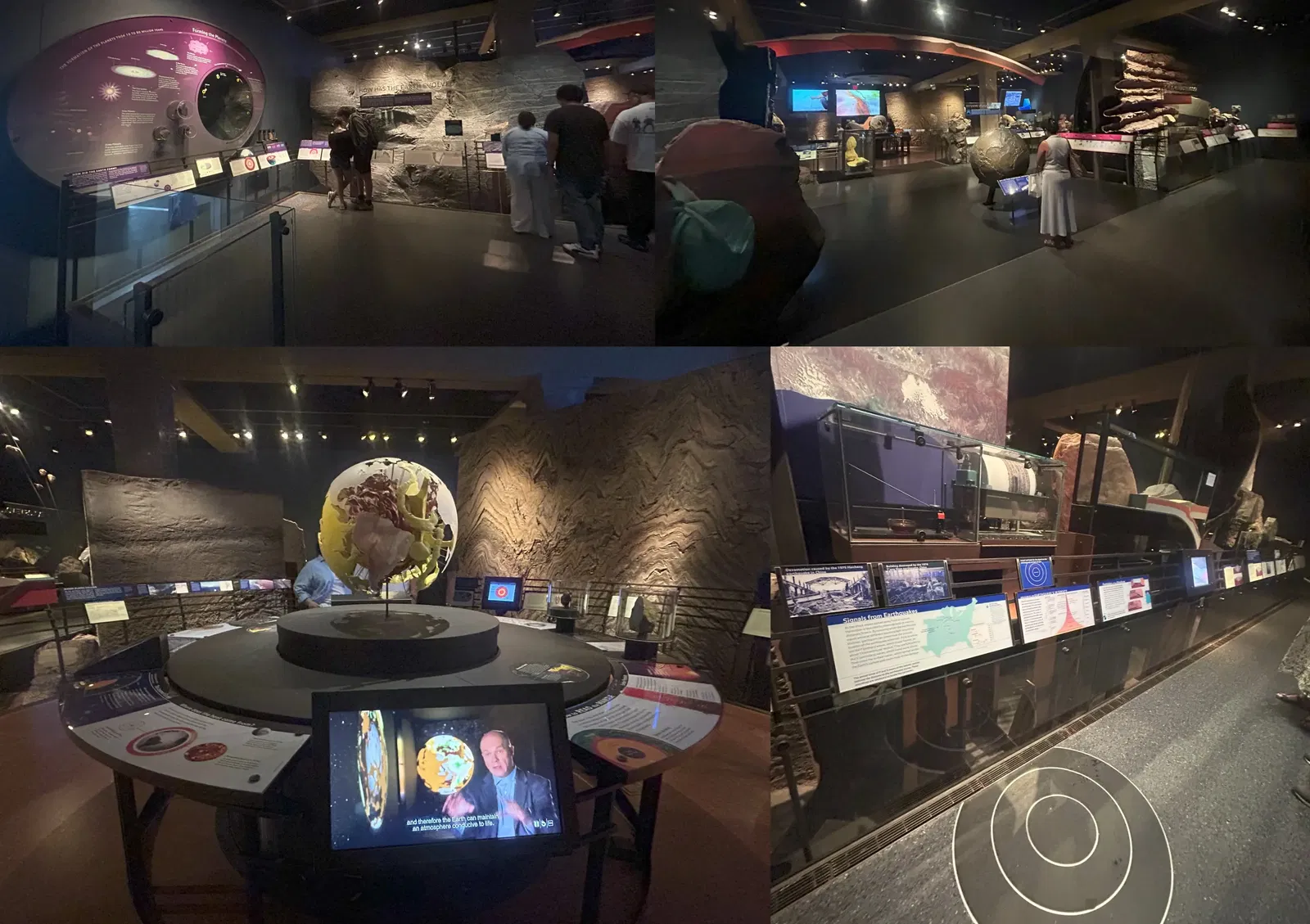
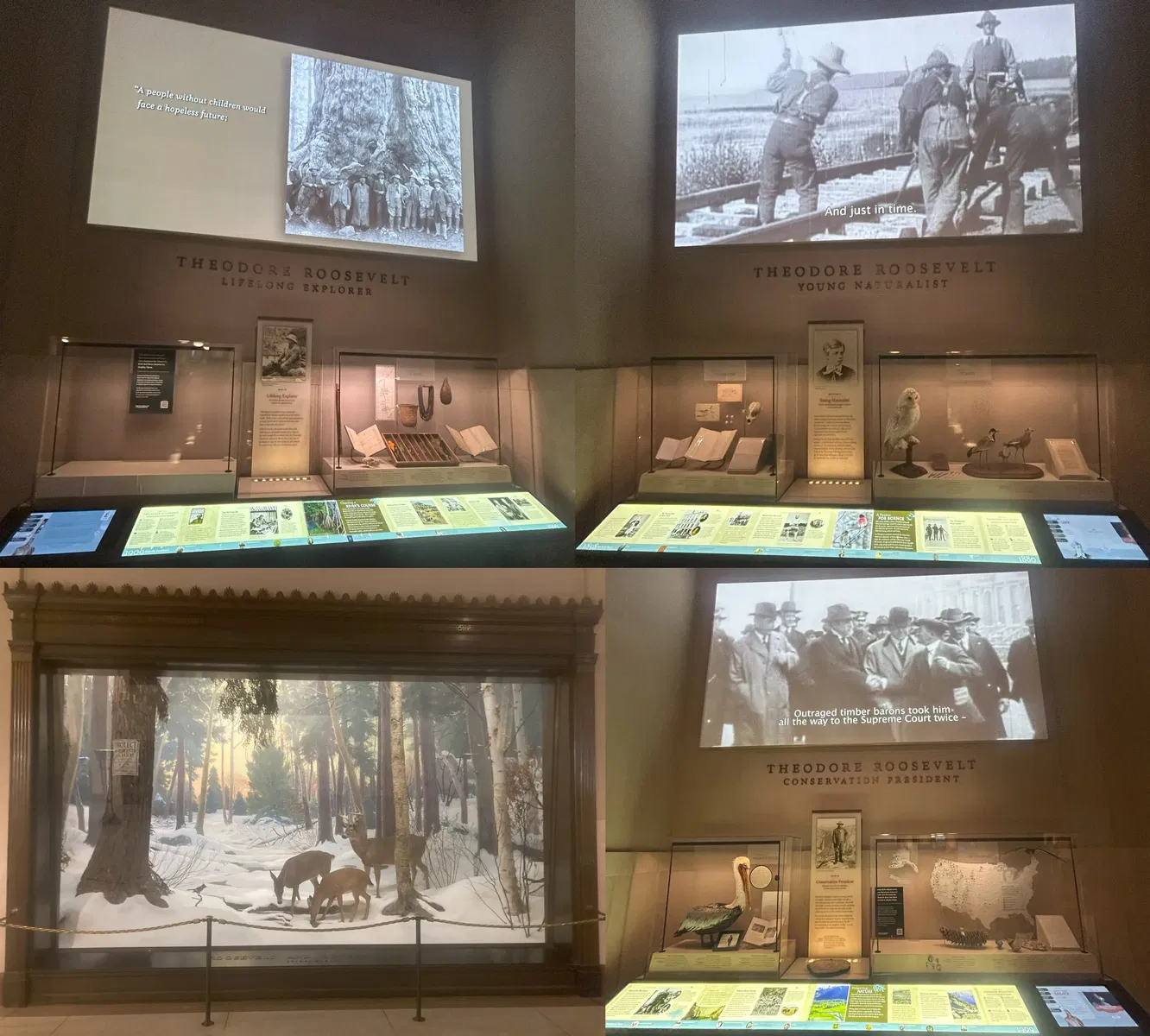
The first hall we went to was the David S. and Ruth L. Gottesman Hall of Planet Earth, or Planet Earth as shown on the map. Its exhibits offered a wealth of information on everything geological about the planet. It would take me at least an hour to peruse them all. Next was the Theodore Roosevelt Memorial Hall - devoted to the namesake half-term Governor of New York, Rough Rider boss and President of the United States. There was also another hall on Floor 2 bearing his name but we didn't get around to see it.
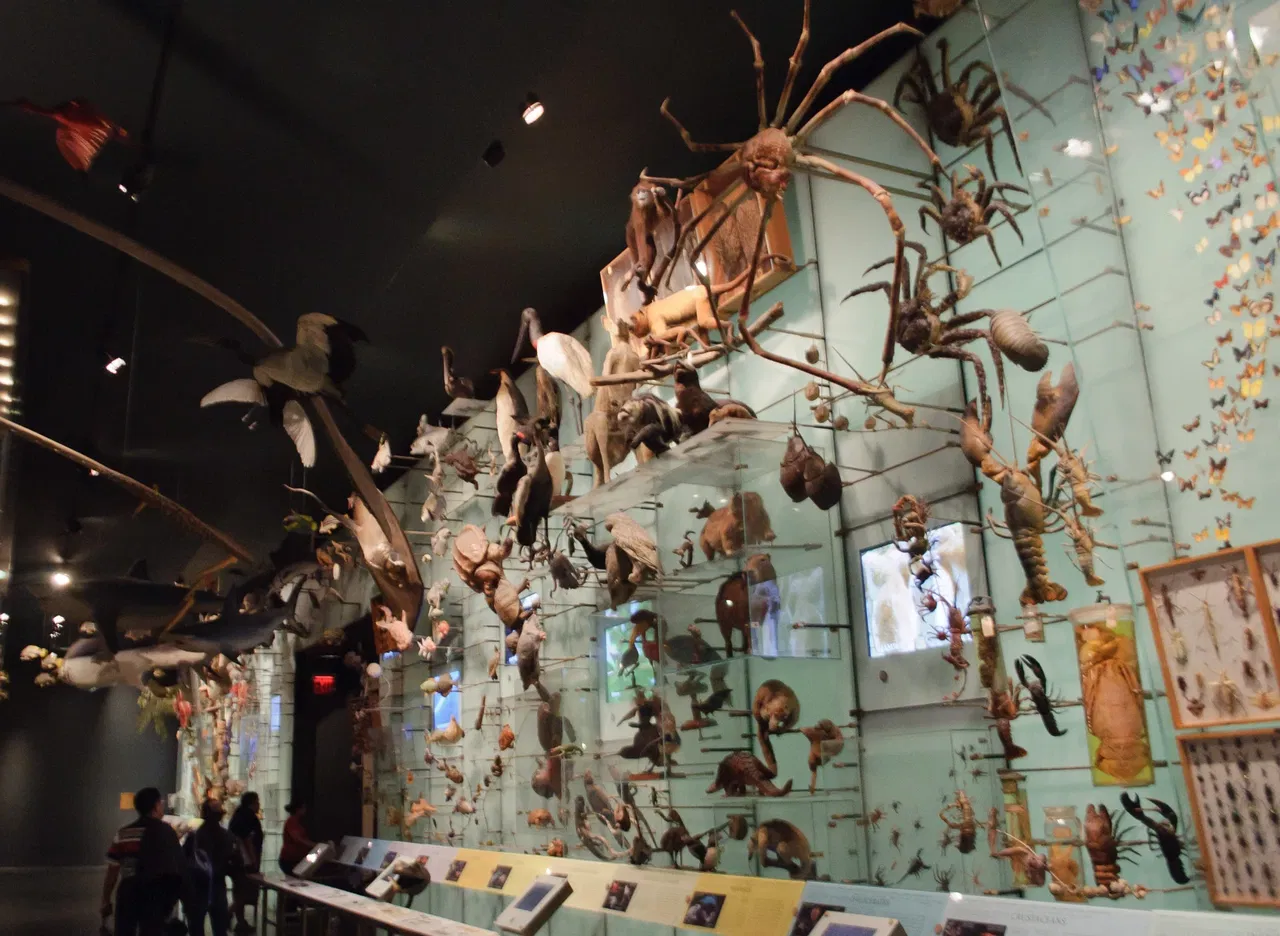
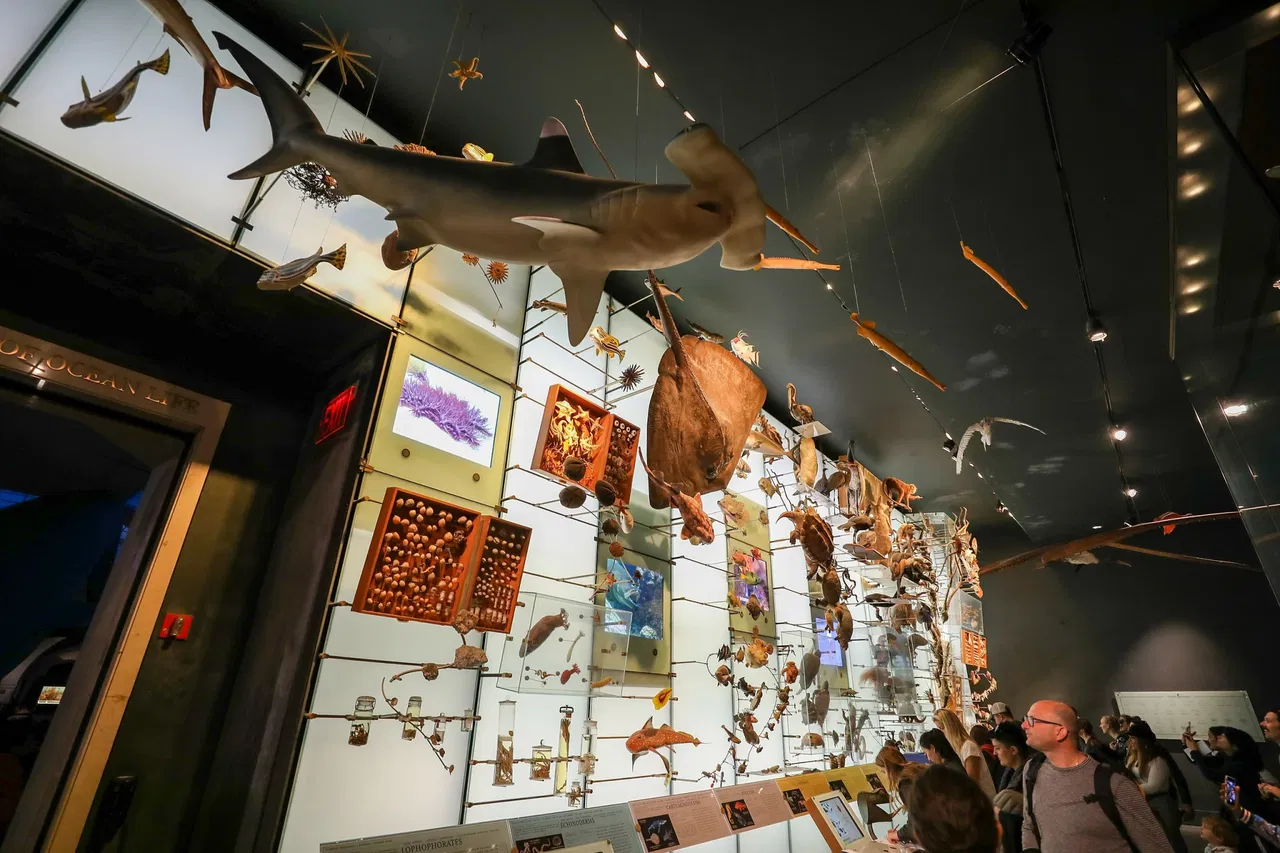
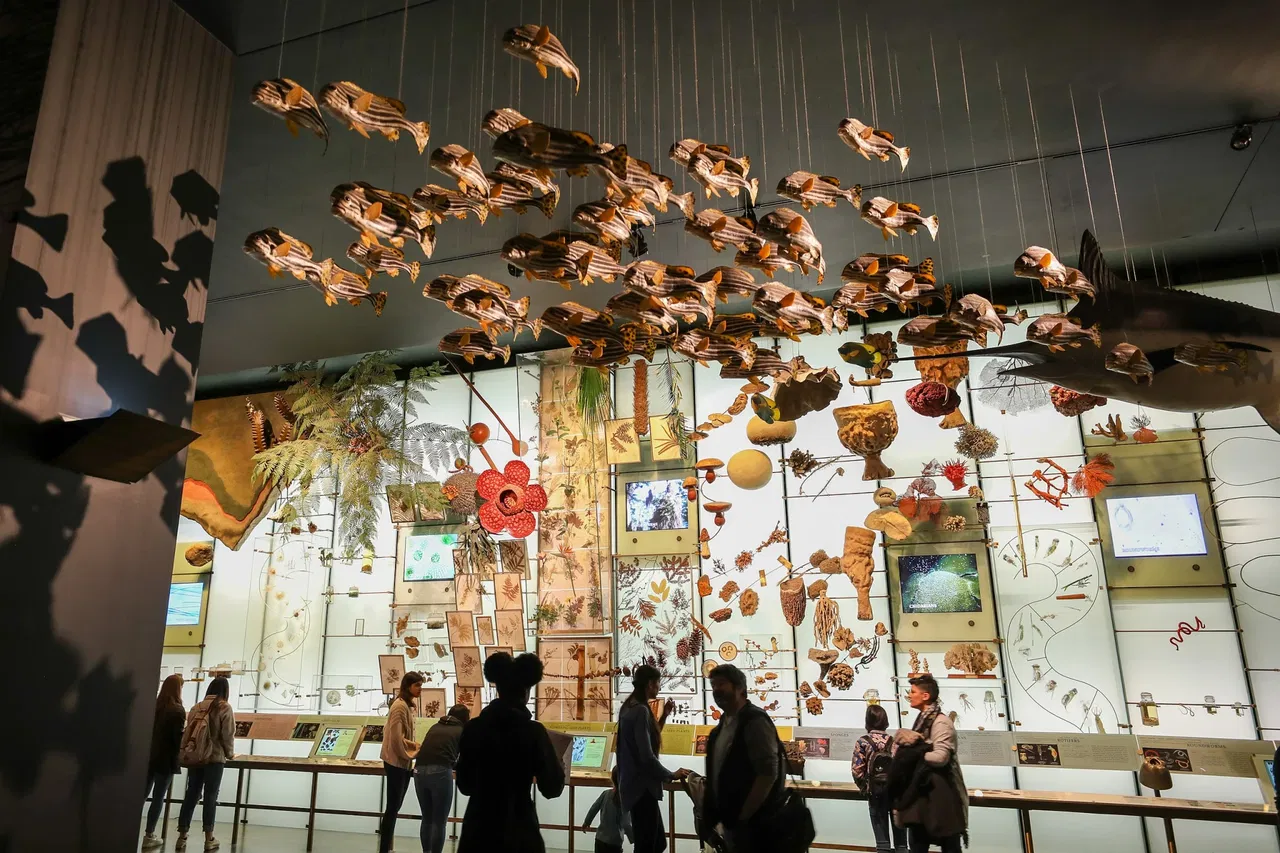
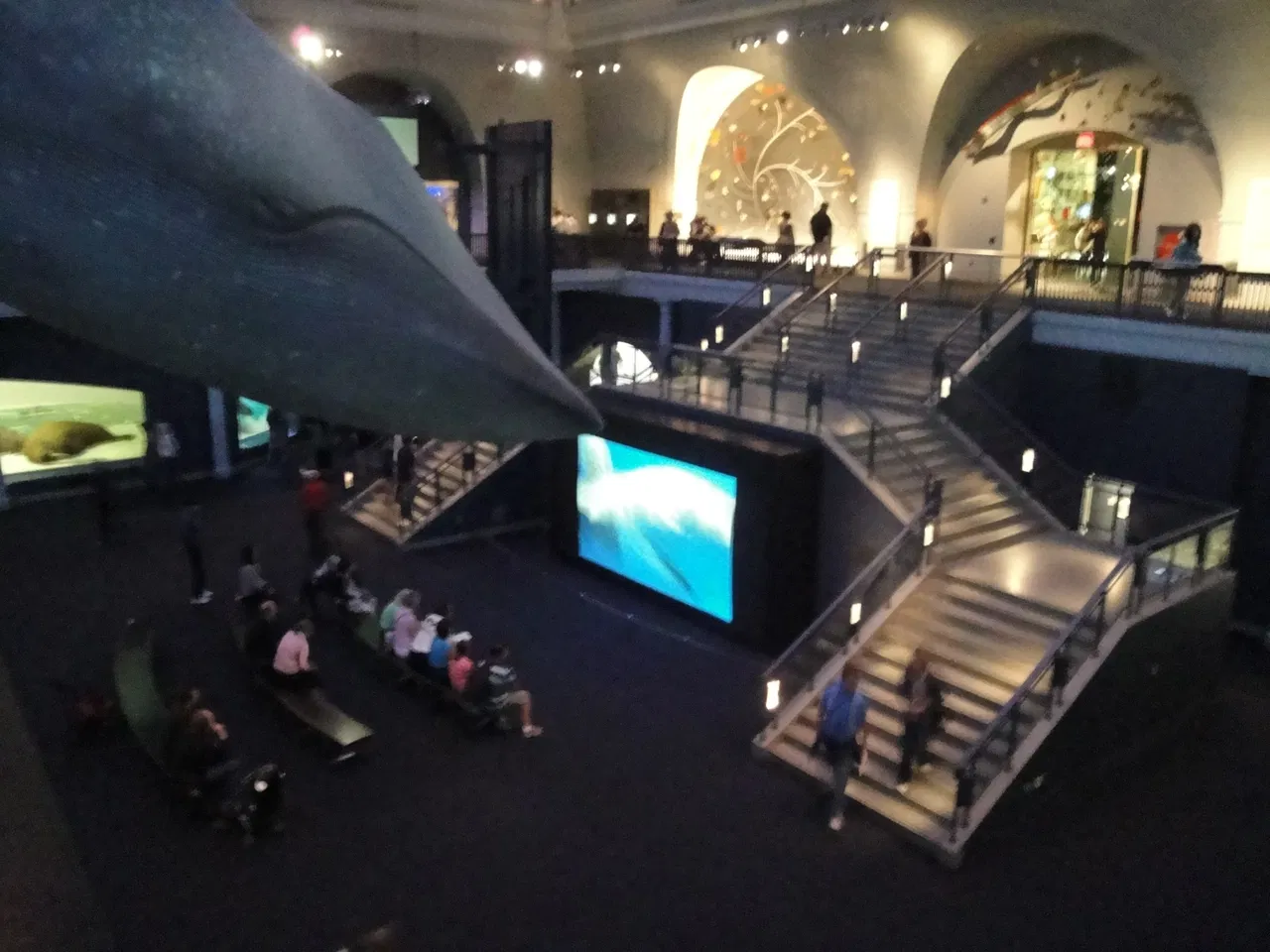
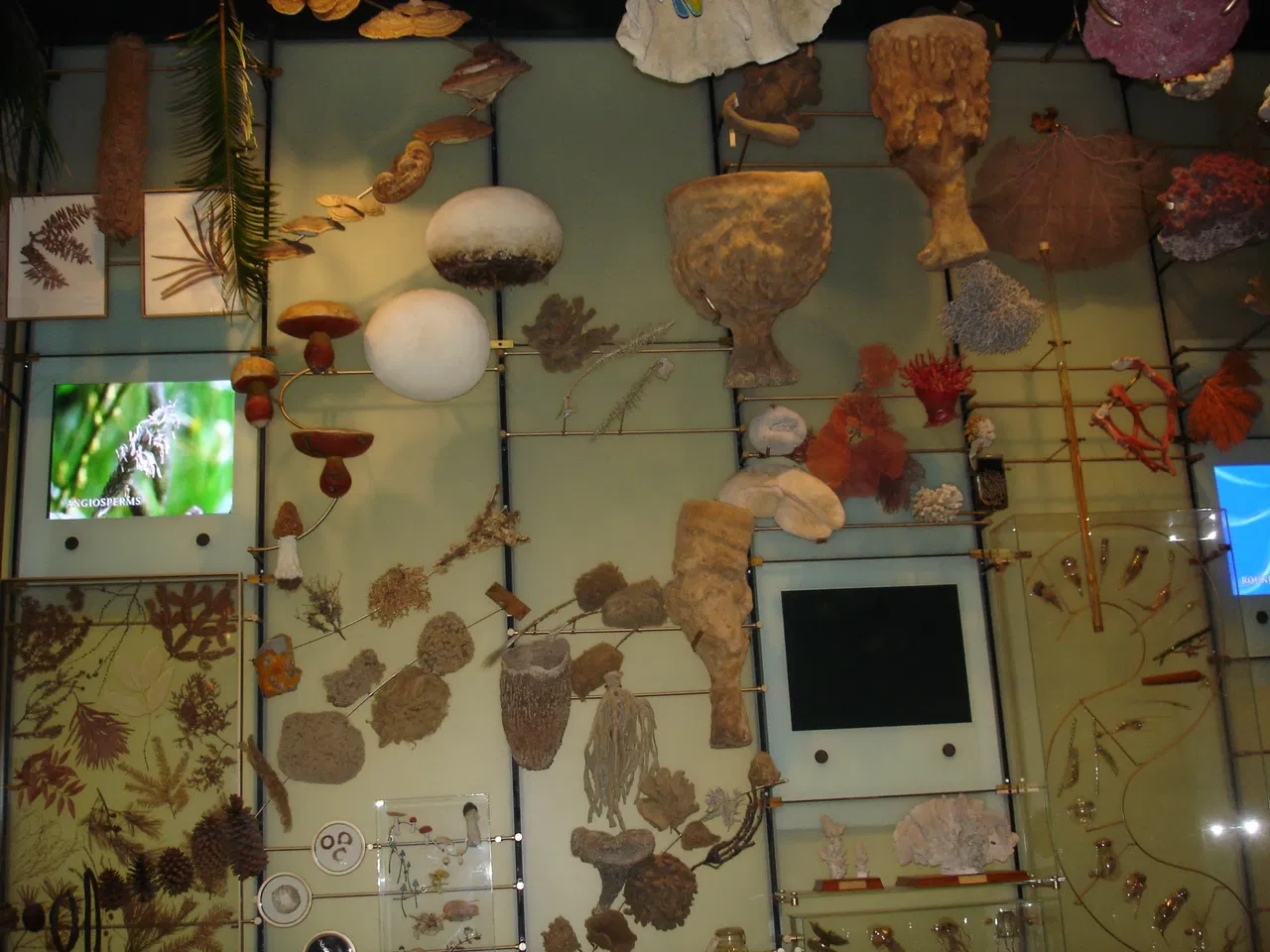
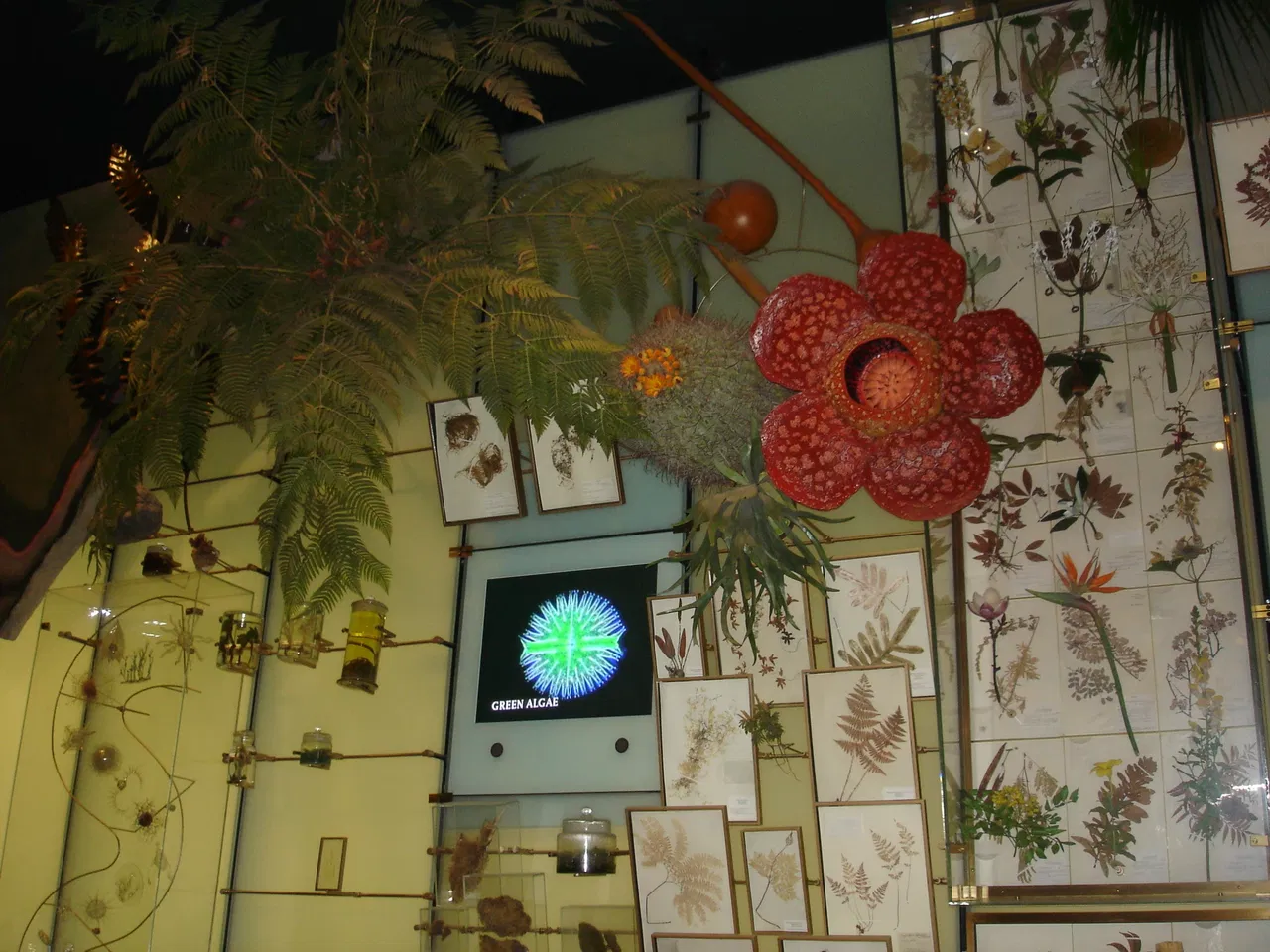
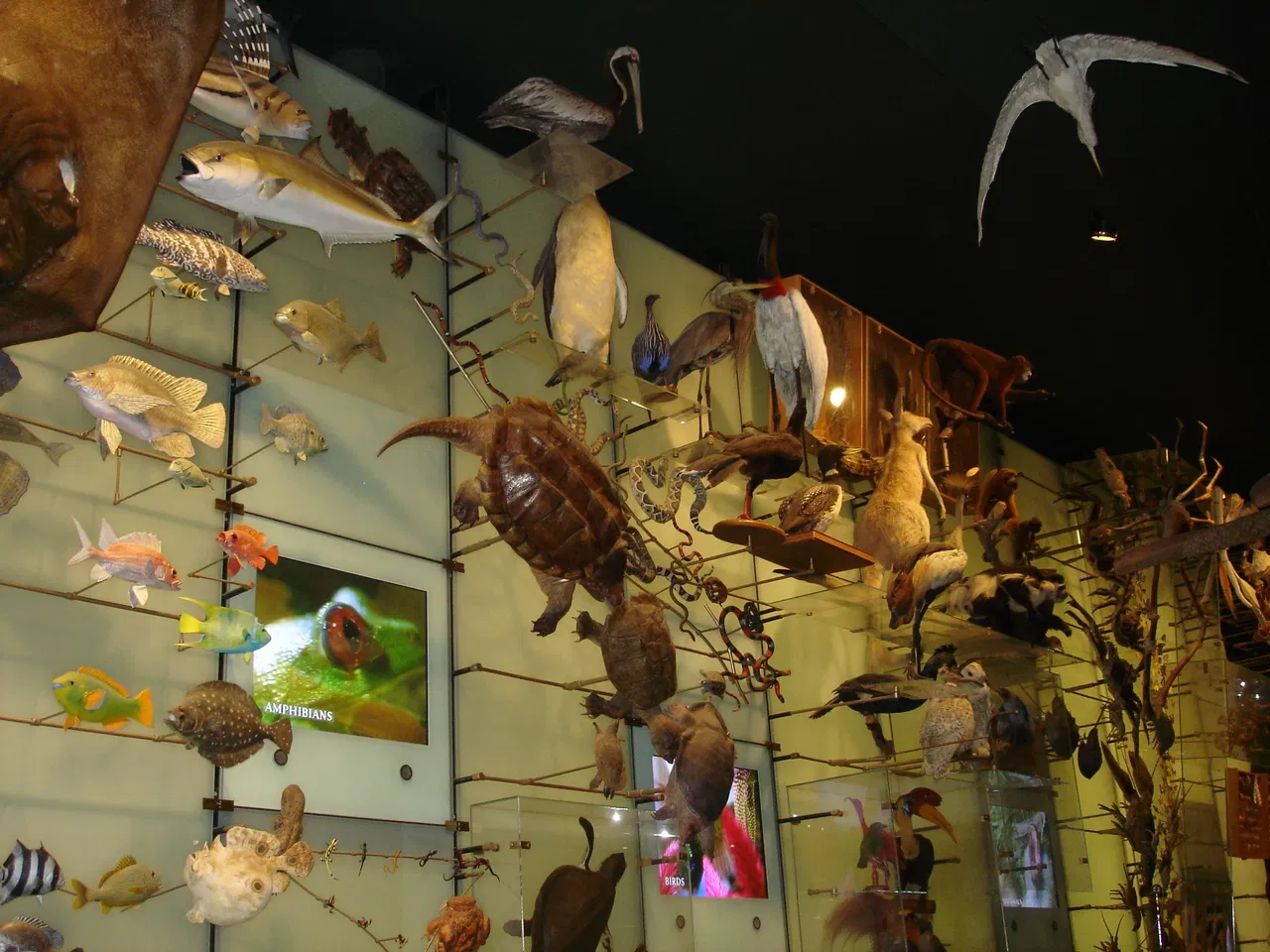
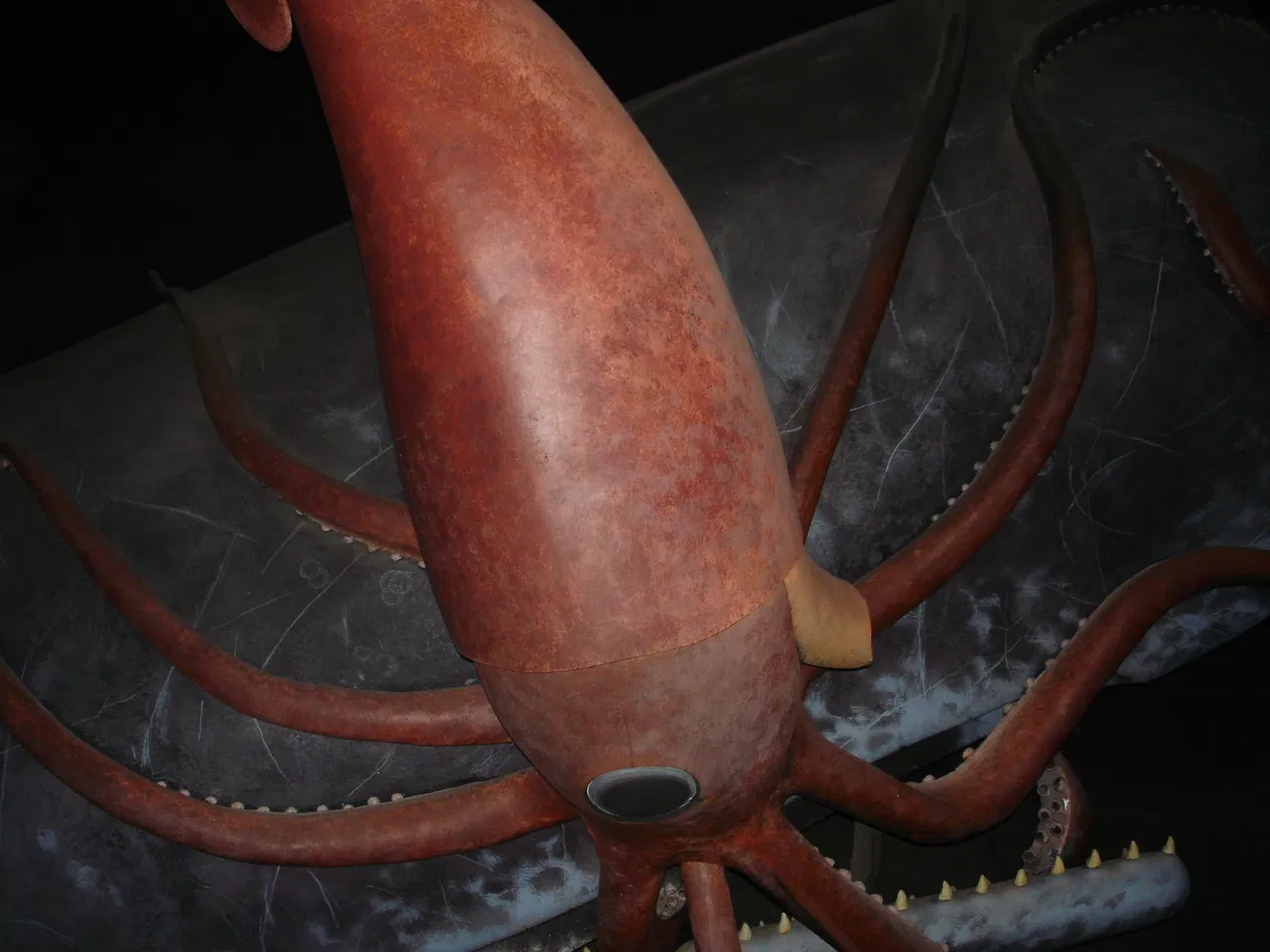
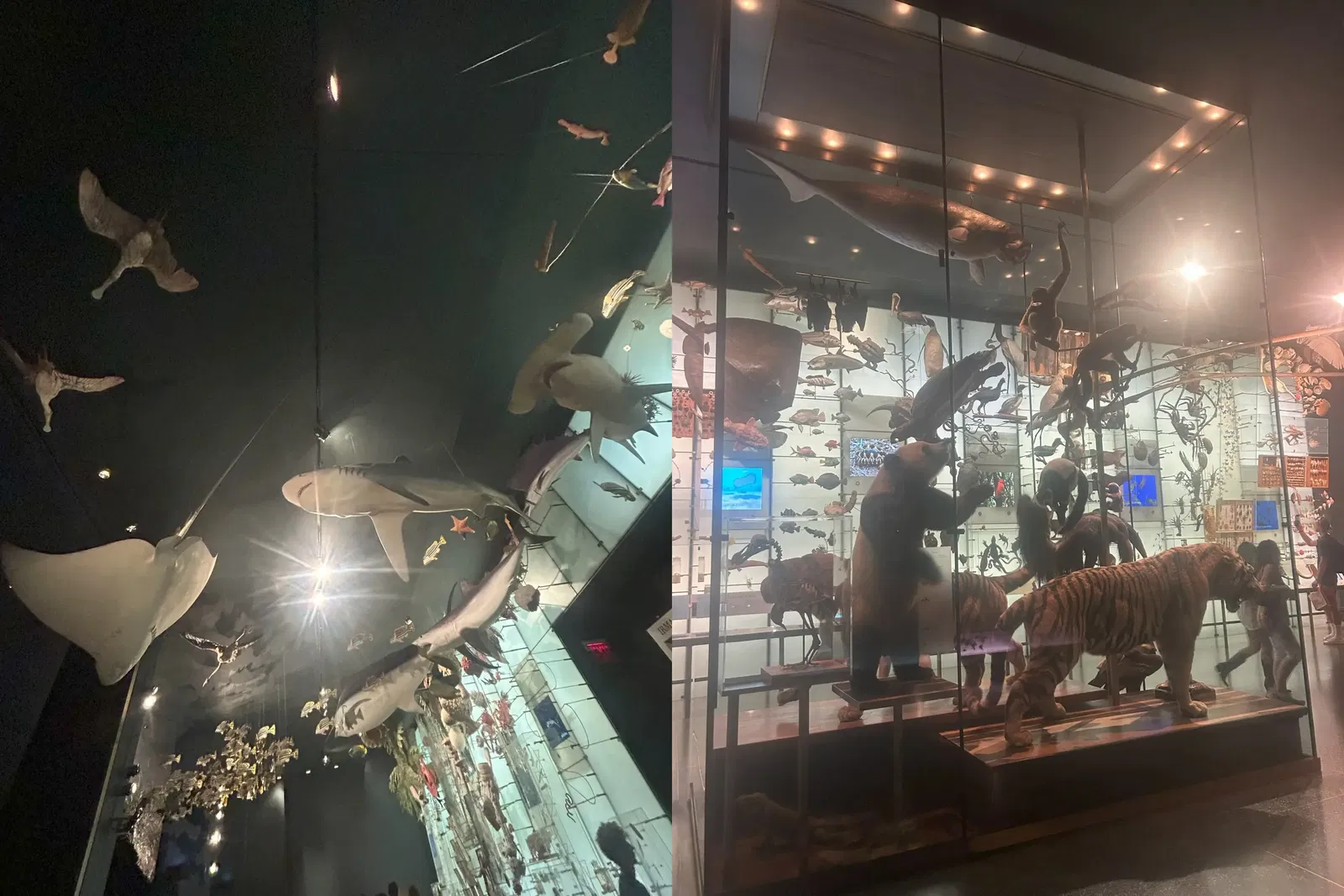
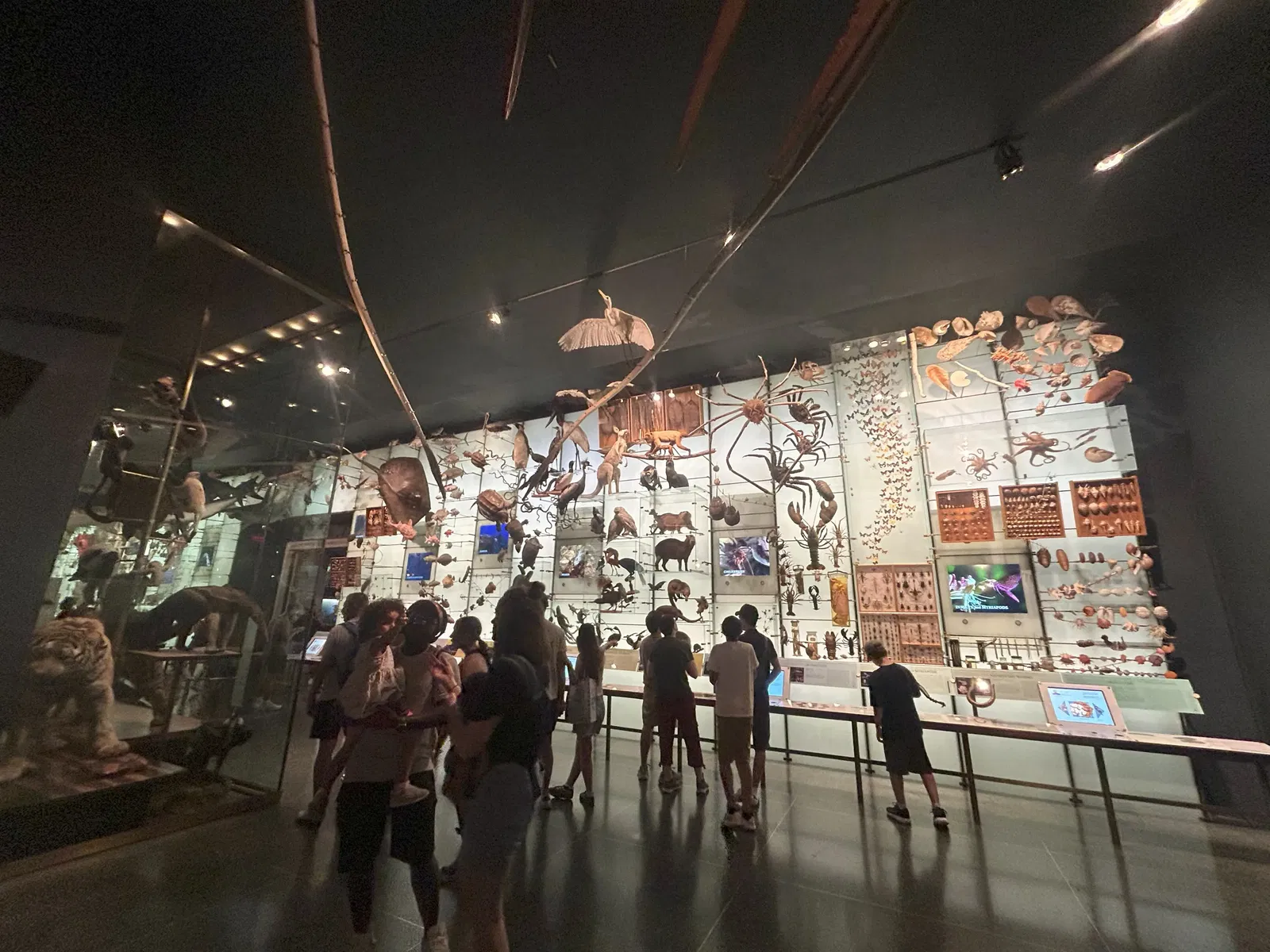
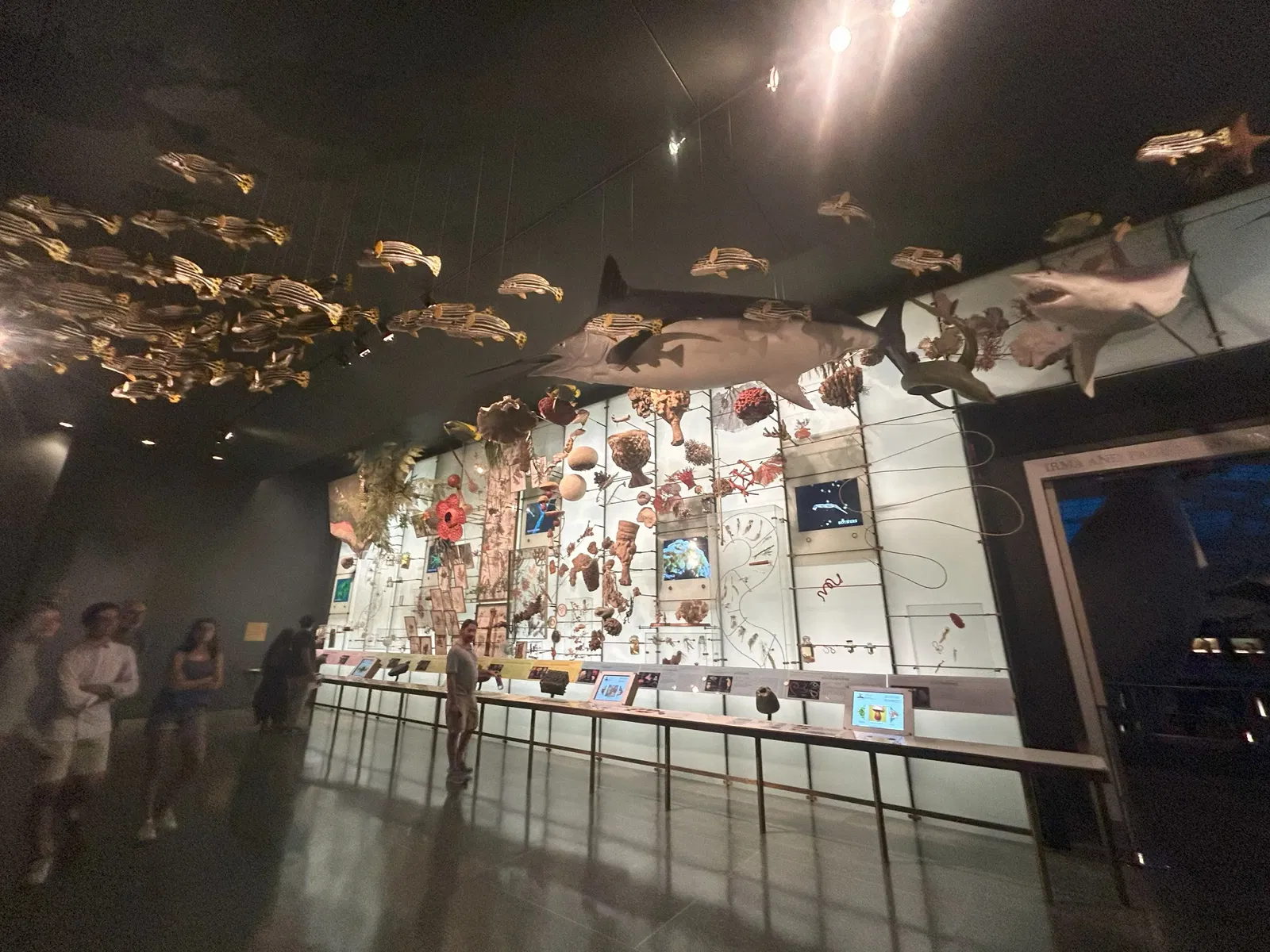
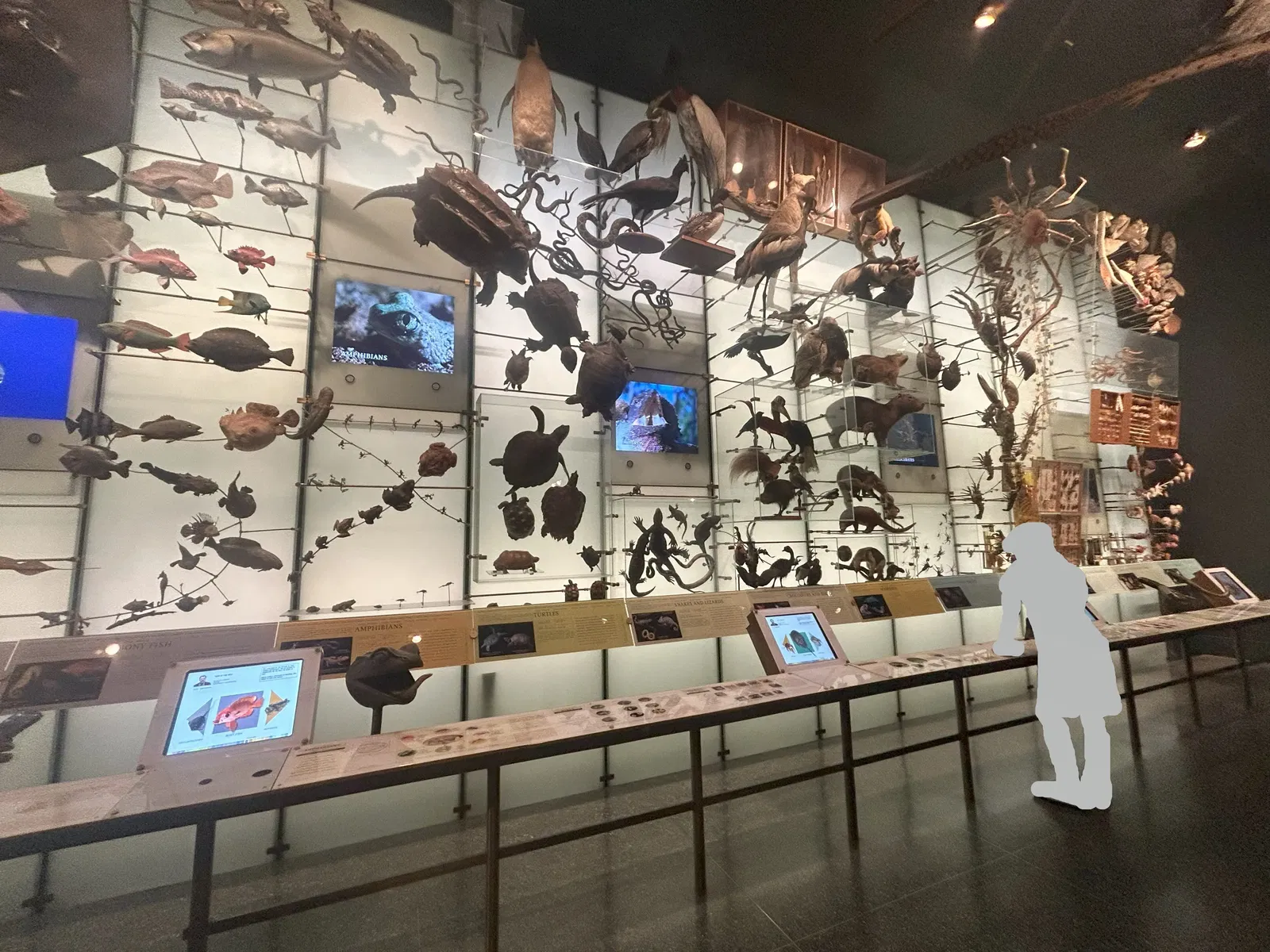
I was however amazed by the next hall. It bore Roosevelt's name but is simply known as Biodiversity on the Floor 1 map. Hundreds... no, thousands of life-sized replicas of creatures of various shapes and sizes on the walls and ceiling - the Spectrum of Life. I didn't think squids were that large, but there they were. The Rain Forest exhibit was there, and so was the Siberian Tigers exhibit. If the Biodiversity hall was amazing, the next one was epic. Named the Irma and Paul Milstein Family Hall of Ocean Life and spanning two stories, its biggest star is the life-sized model of the great Blue Whale hanging from the ceiling in the middle of the hall. No matter where I was, the whale was in my line of sight. There were more exhibits on the lower level, including the Walruses. I did not take more pictures because the lighting was poor. I could sit in this hall all day and do nothing but marvel. I would even pay to spend the night here in front of the great blue whale. (It's not the real thing but still magnificent.)
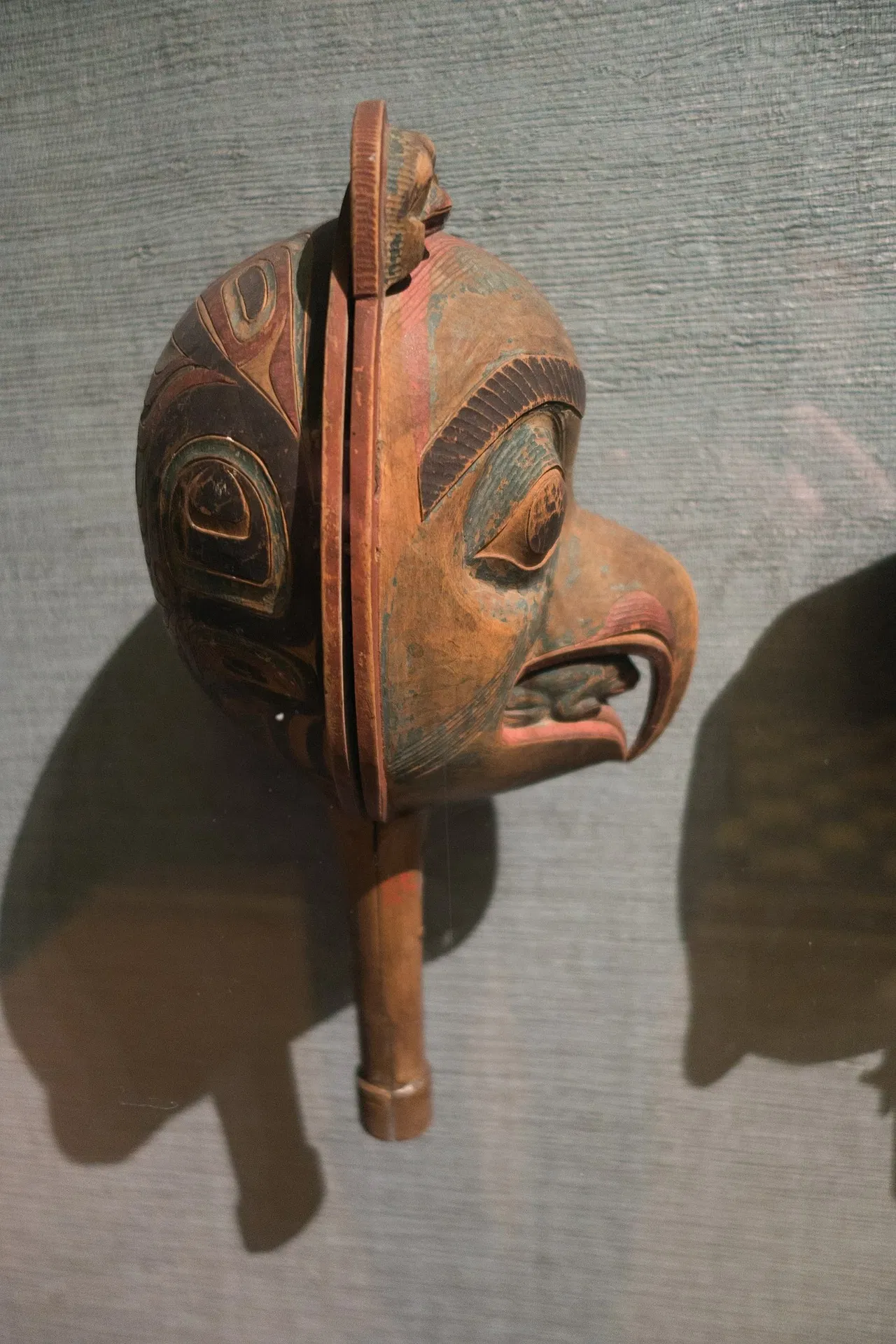
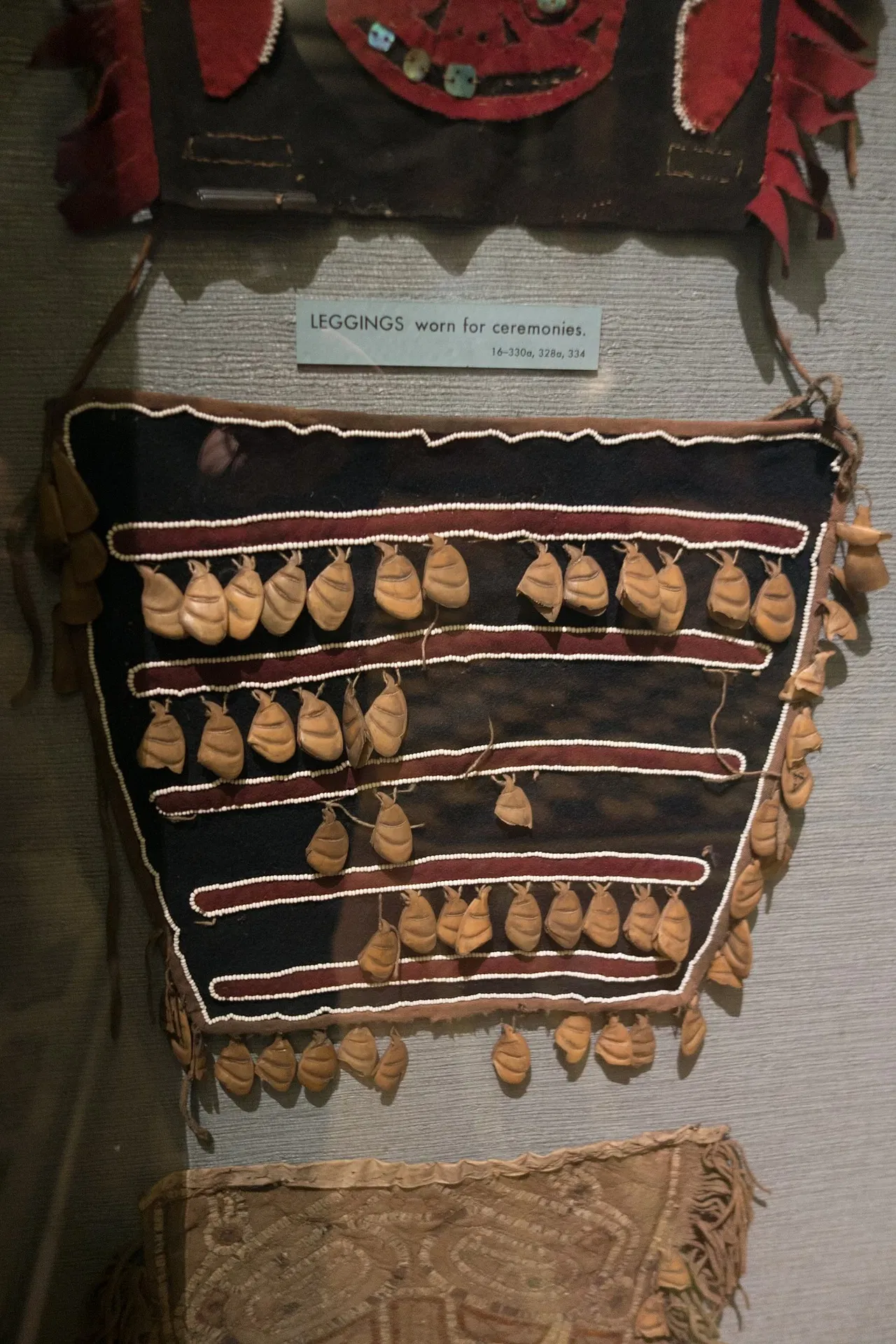
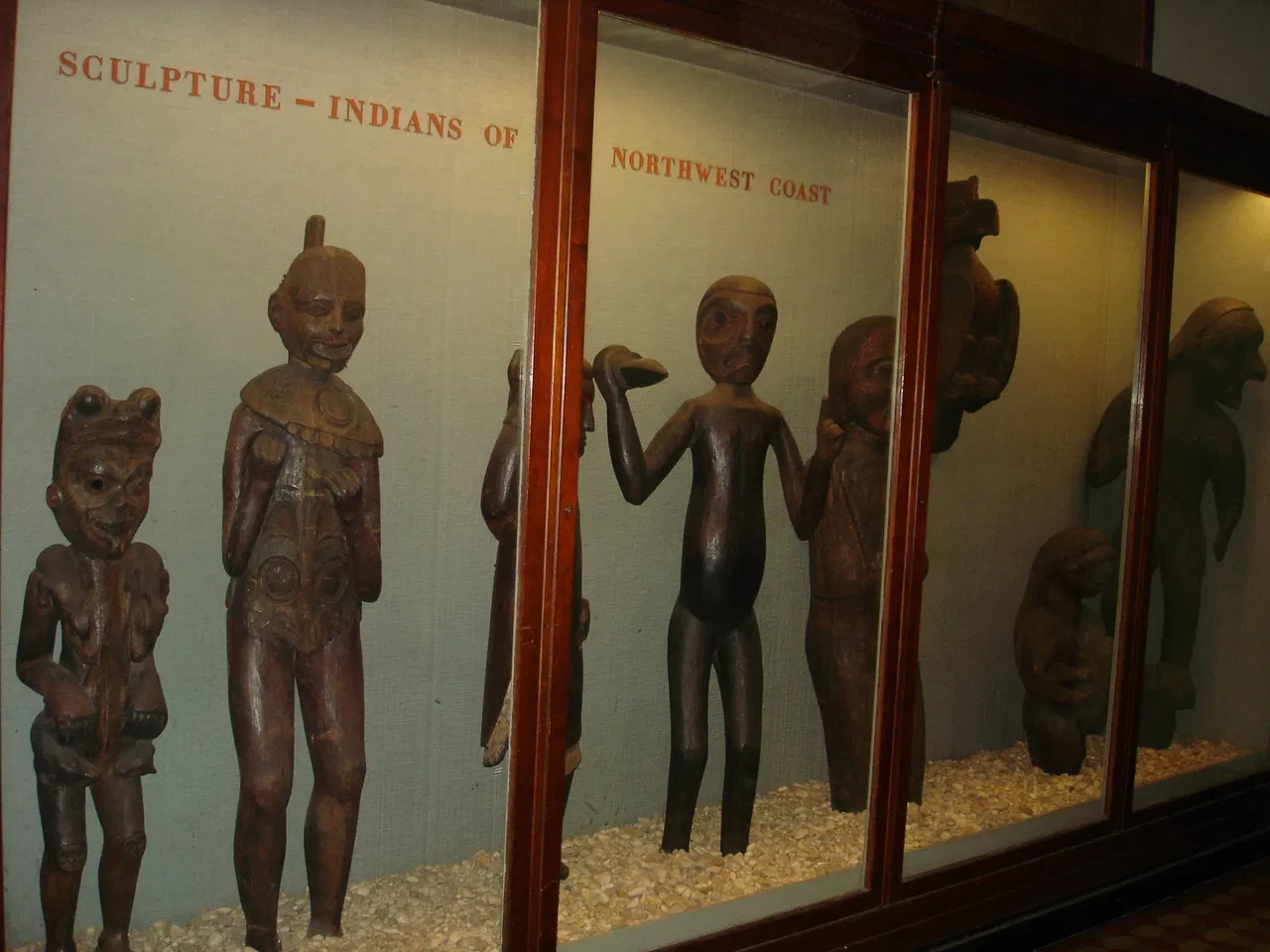
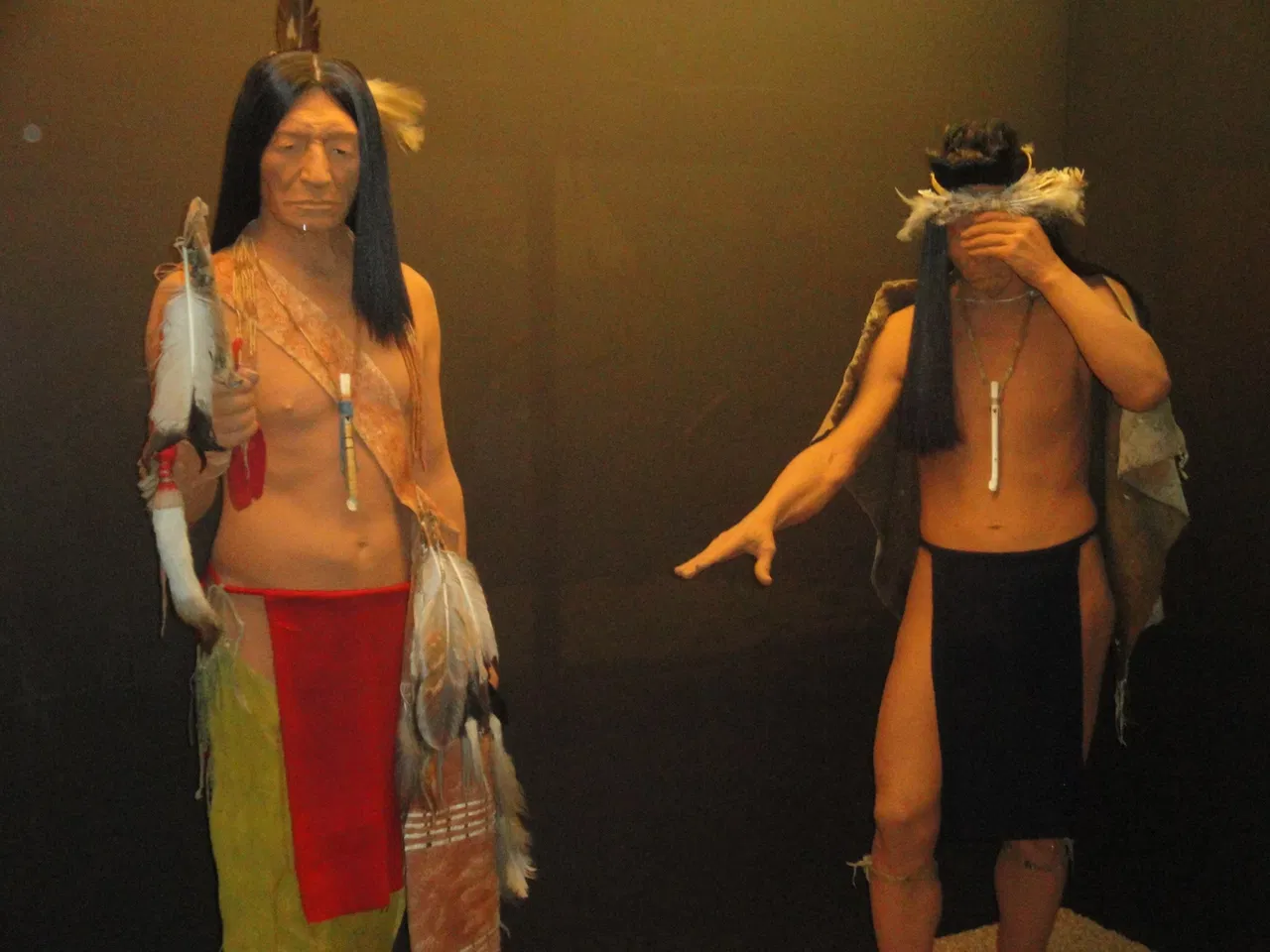
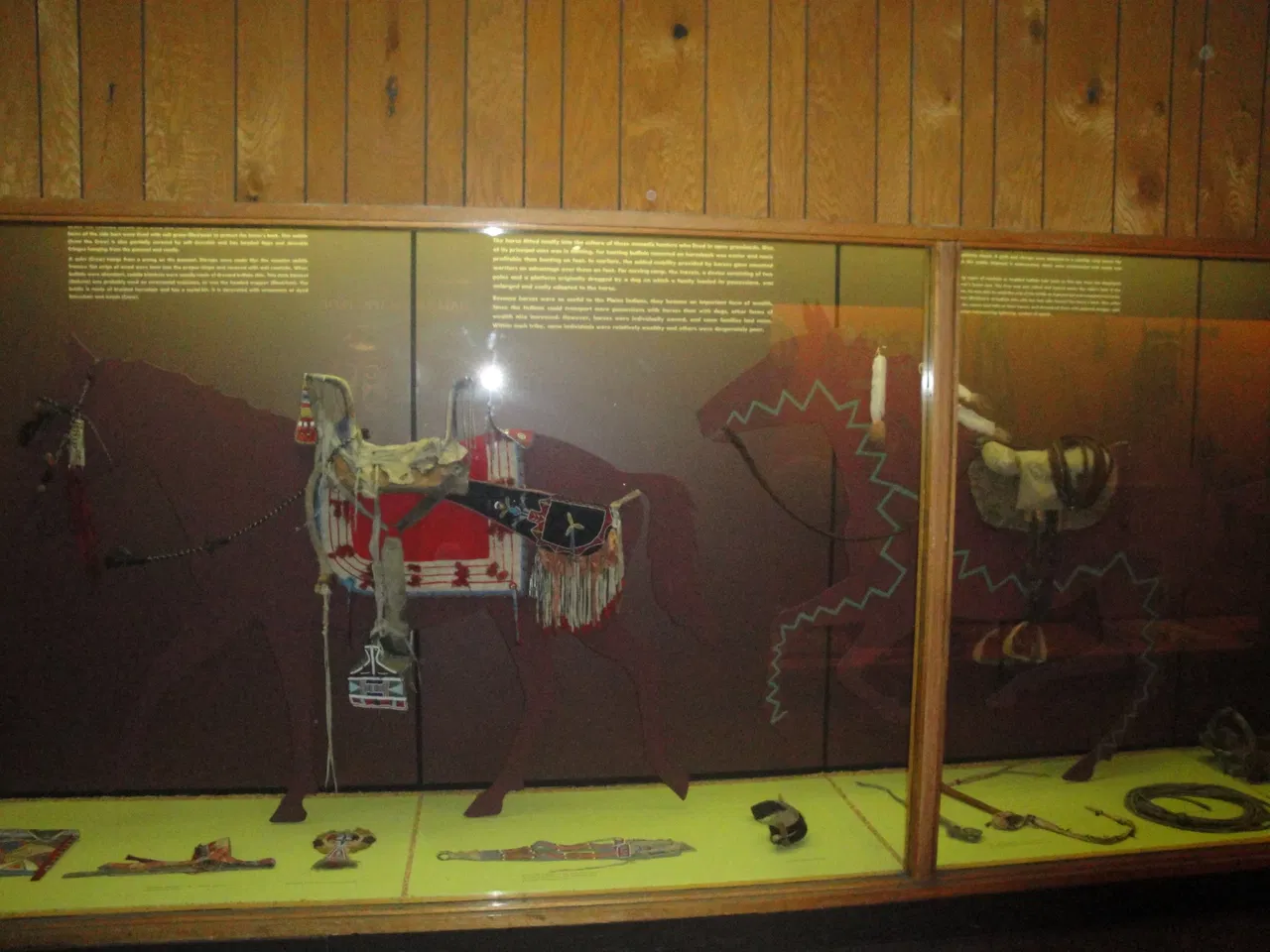
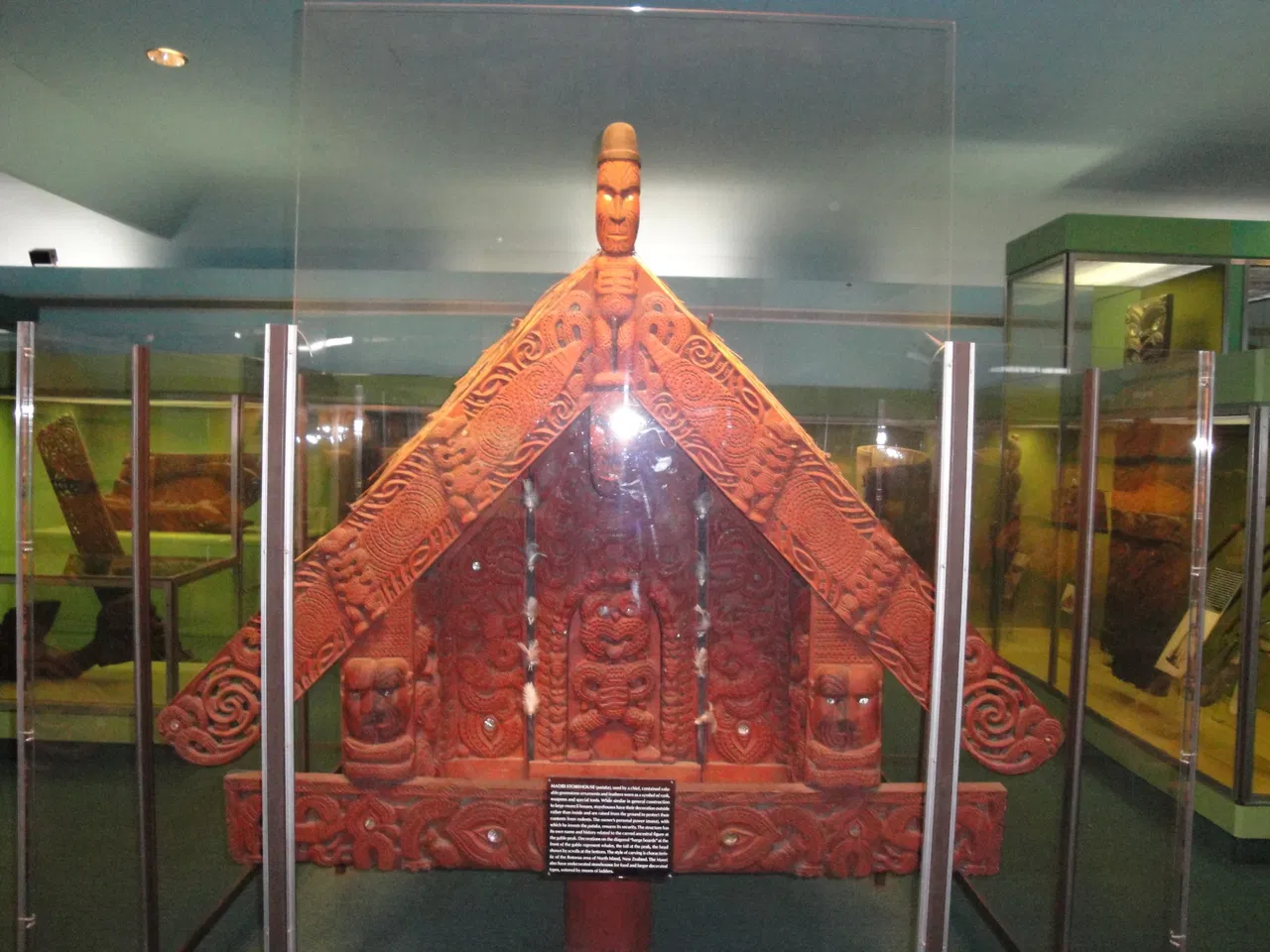
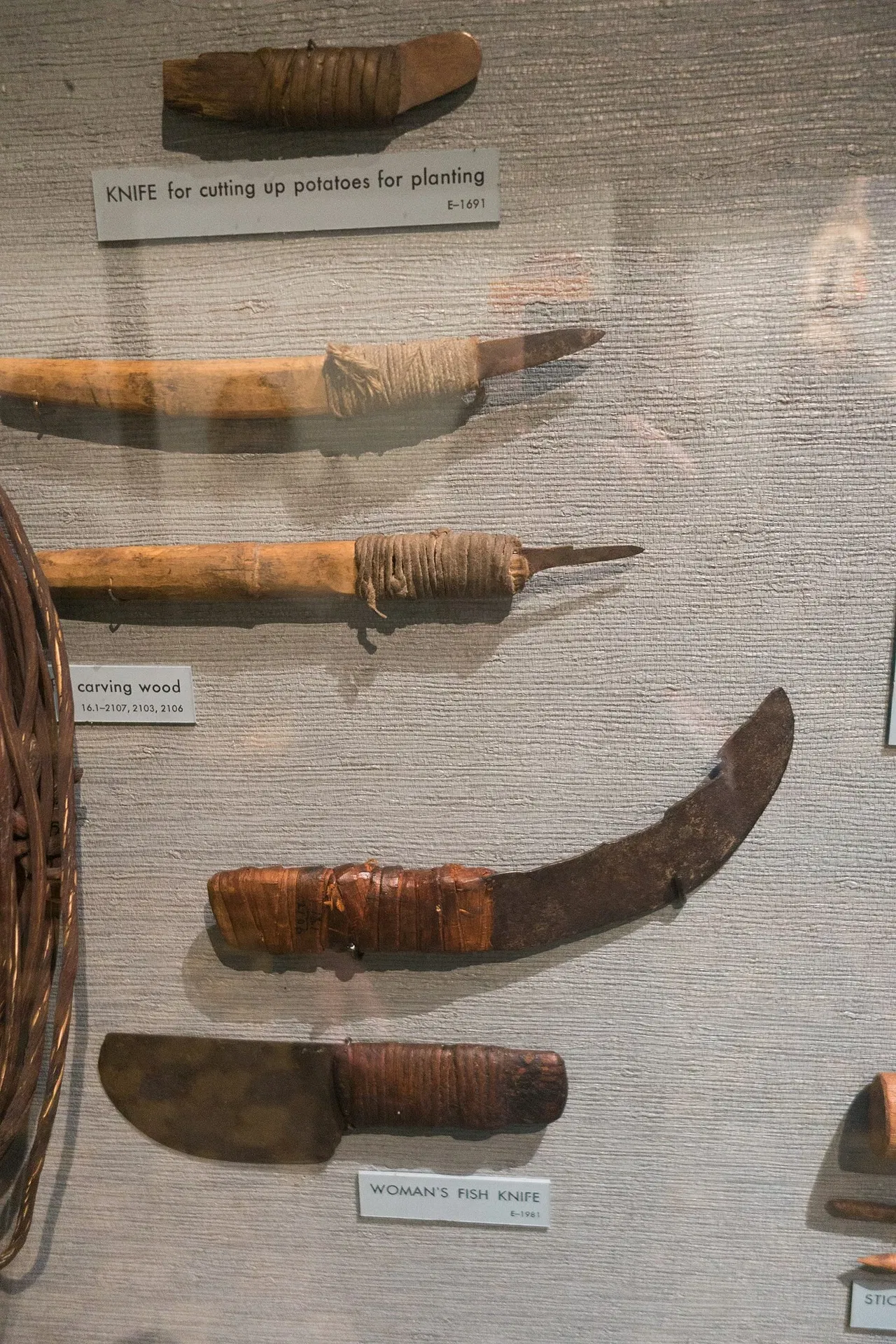
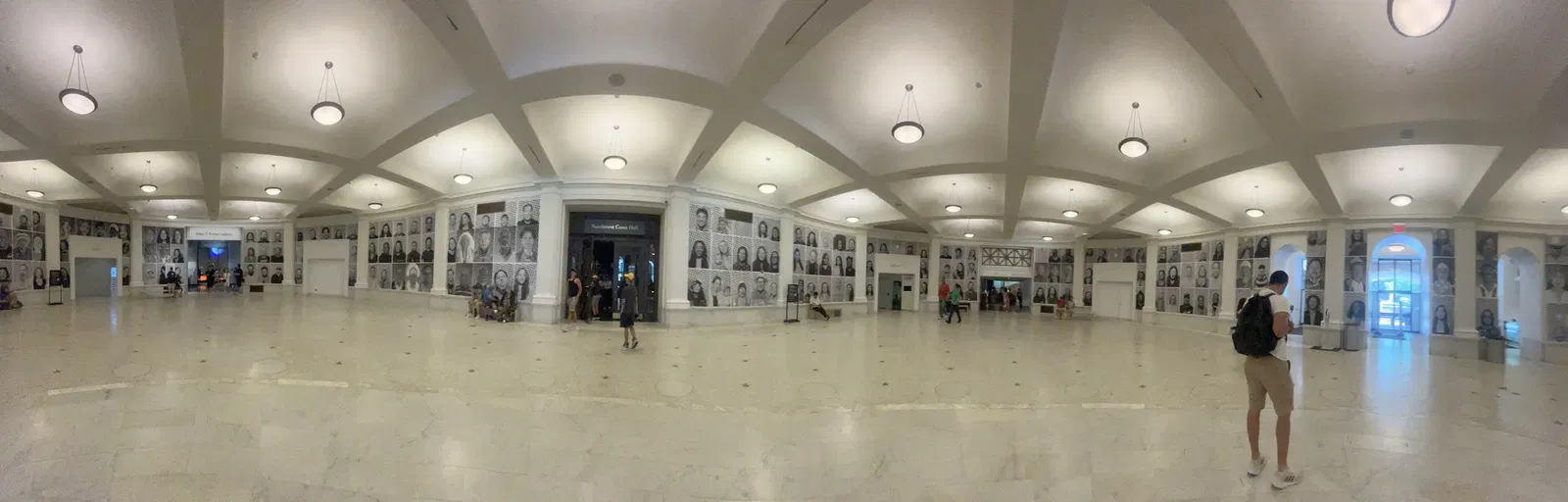
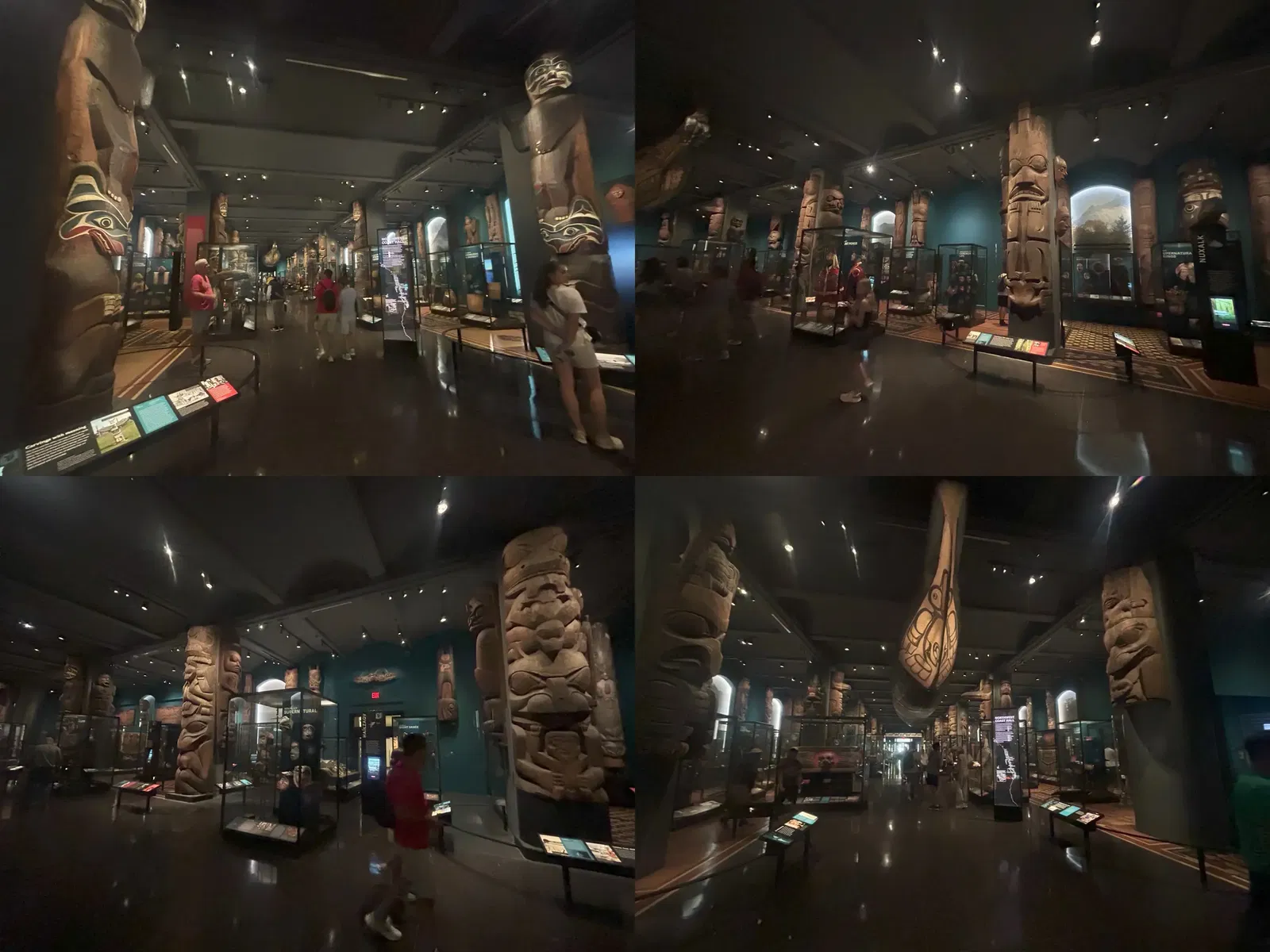
Time was limited so we moved on... to the Futter Gallery. To all the party-lovers out there, this is the place to host a party. You can claim you partied with celebrities... well, portraits of them. Next was the Northwest Coast Hall for exhibits of Native American culture. Wife liked this one the most. The collection was impressive. One exhibit was a set of Tlingit artefacts enclosed in glass located near an alcove. These artefacts supposedly had a history of occultic usage with a sign on the glass warning against any form of photography. Though not superstitious, I chose not to take any pictures.
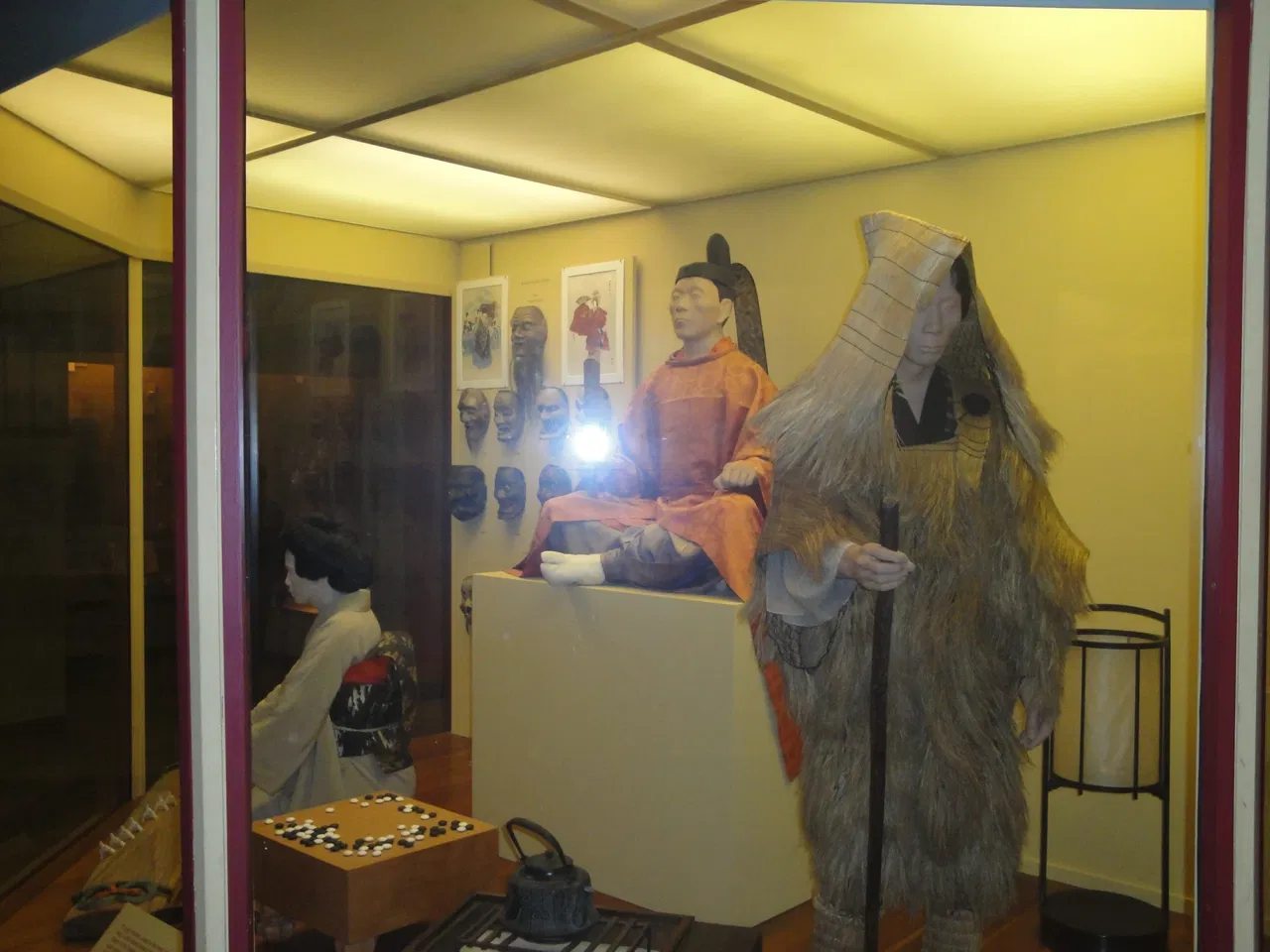
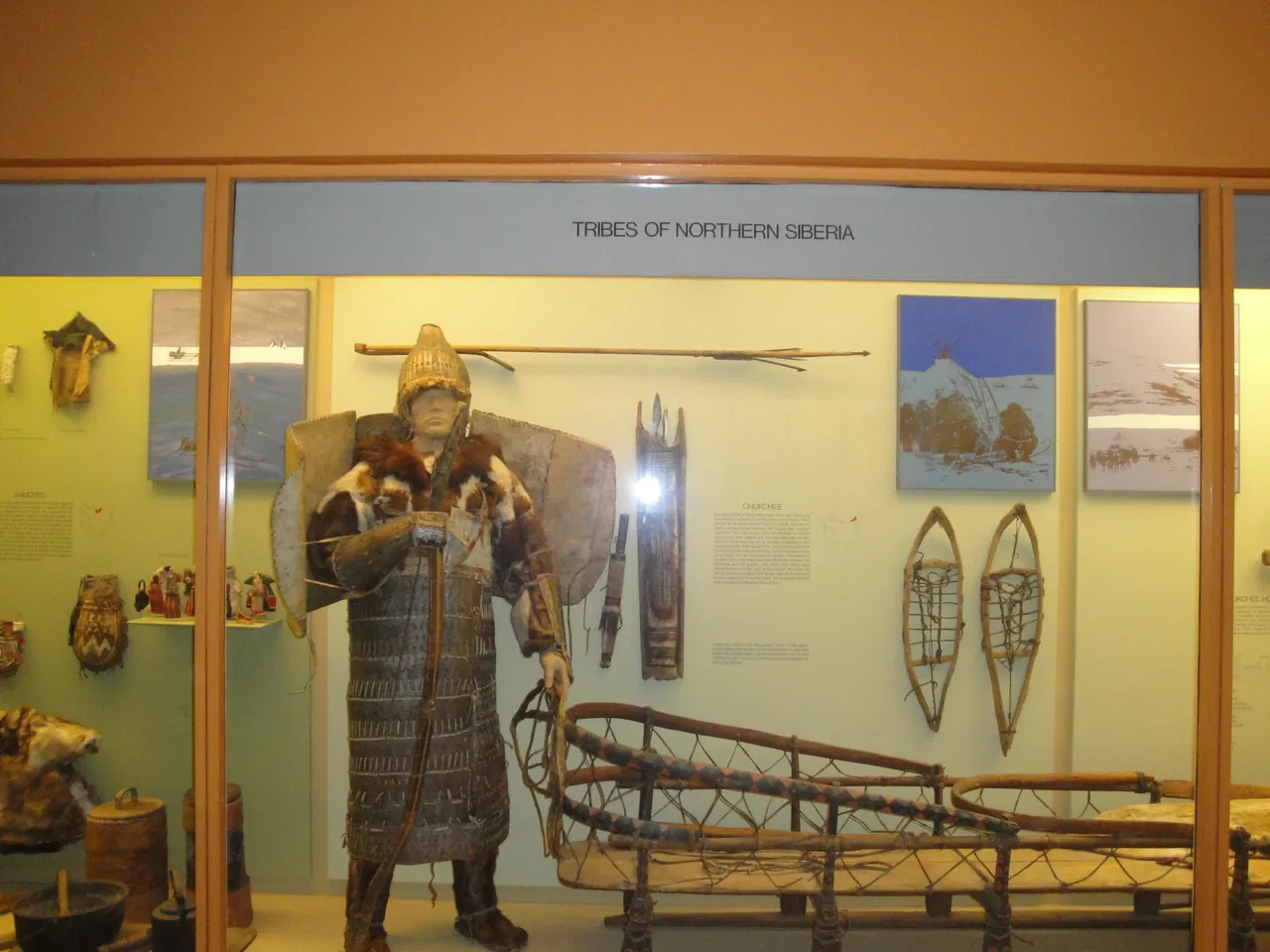
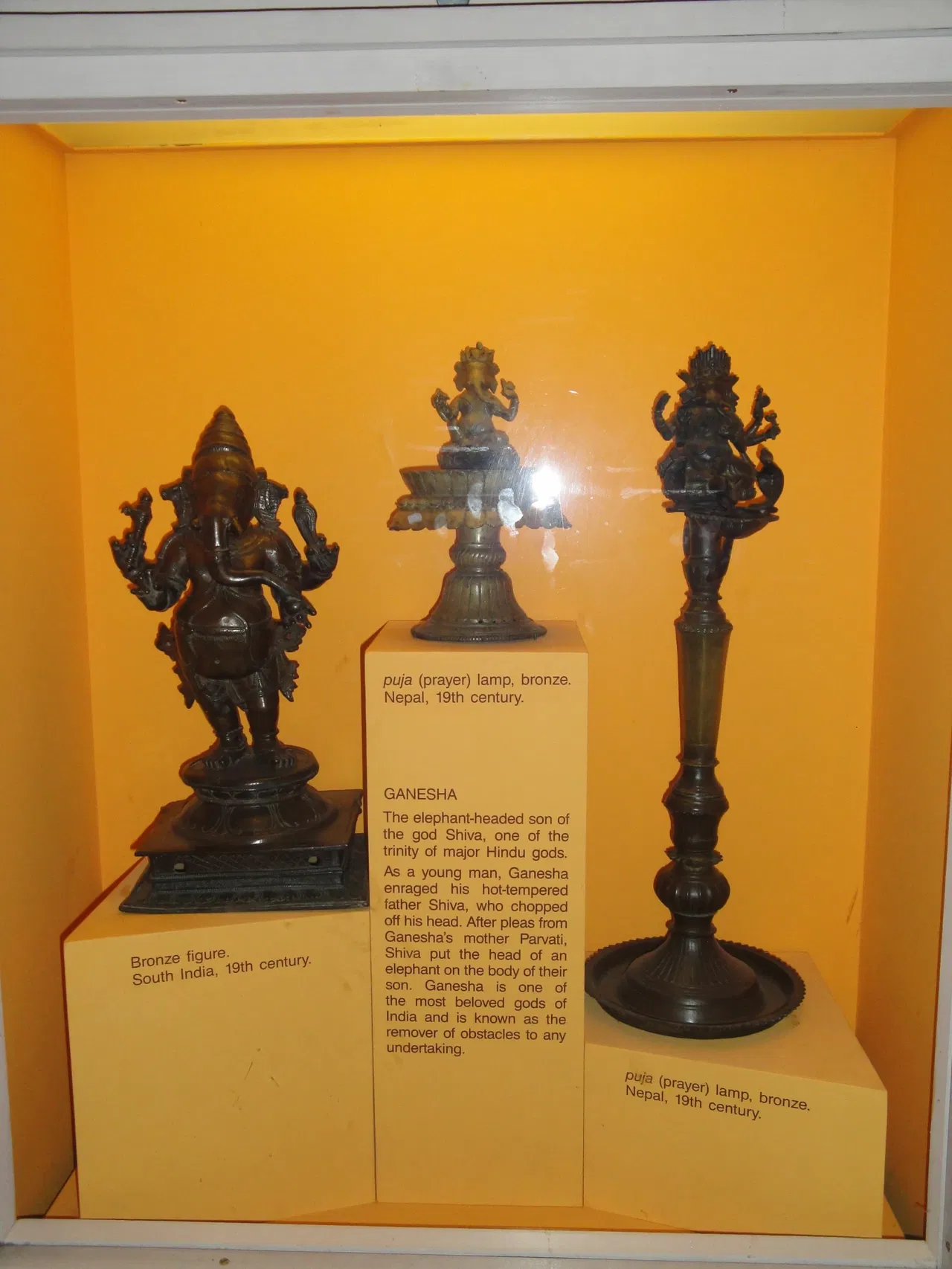
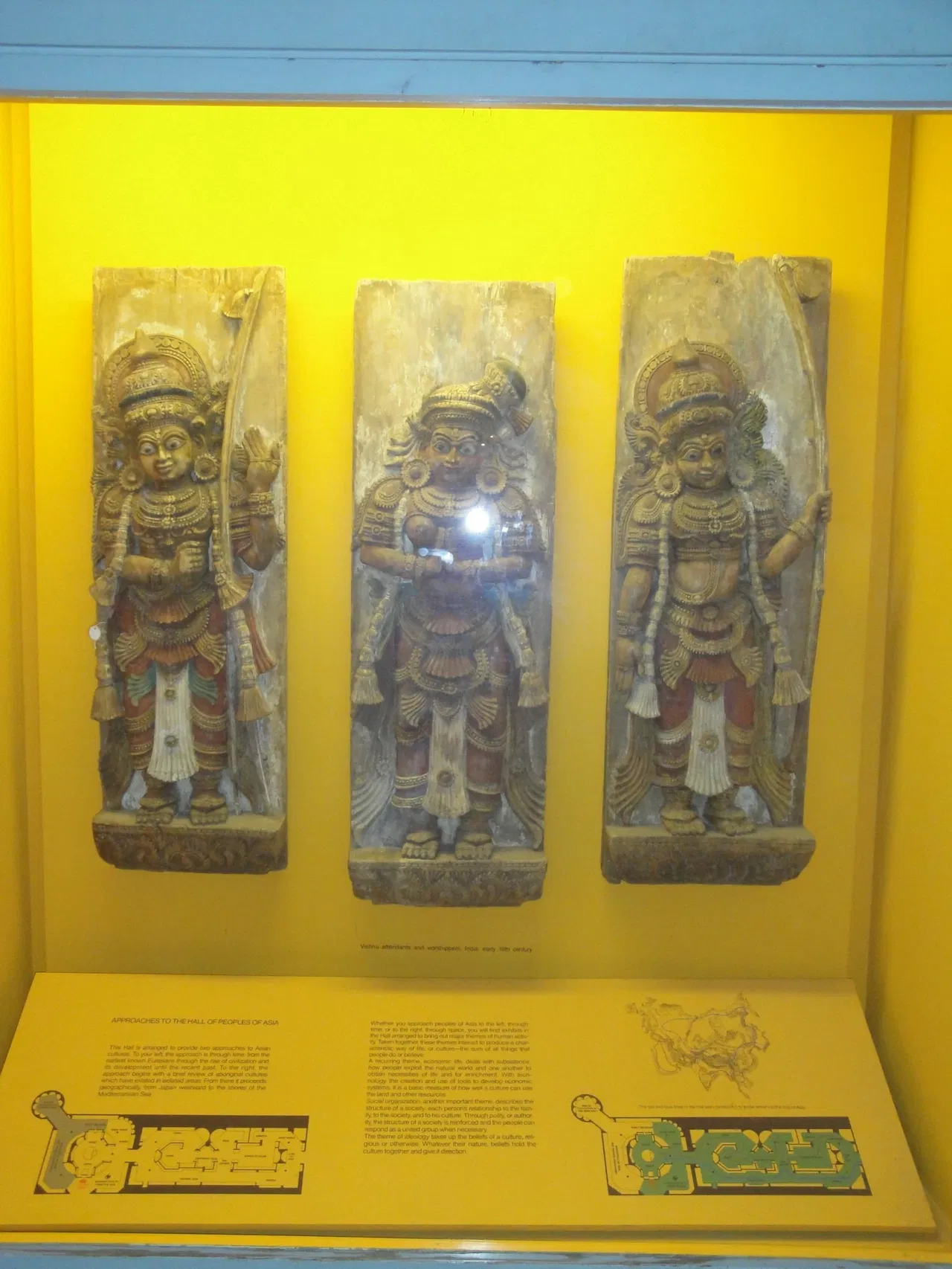
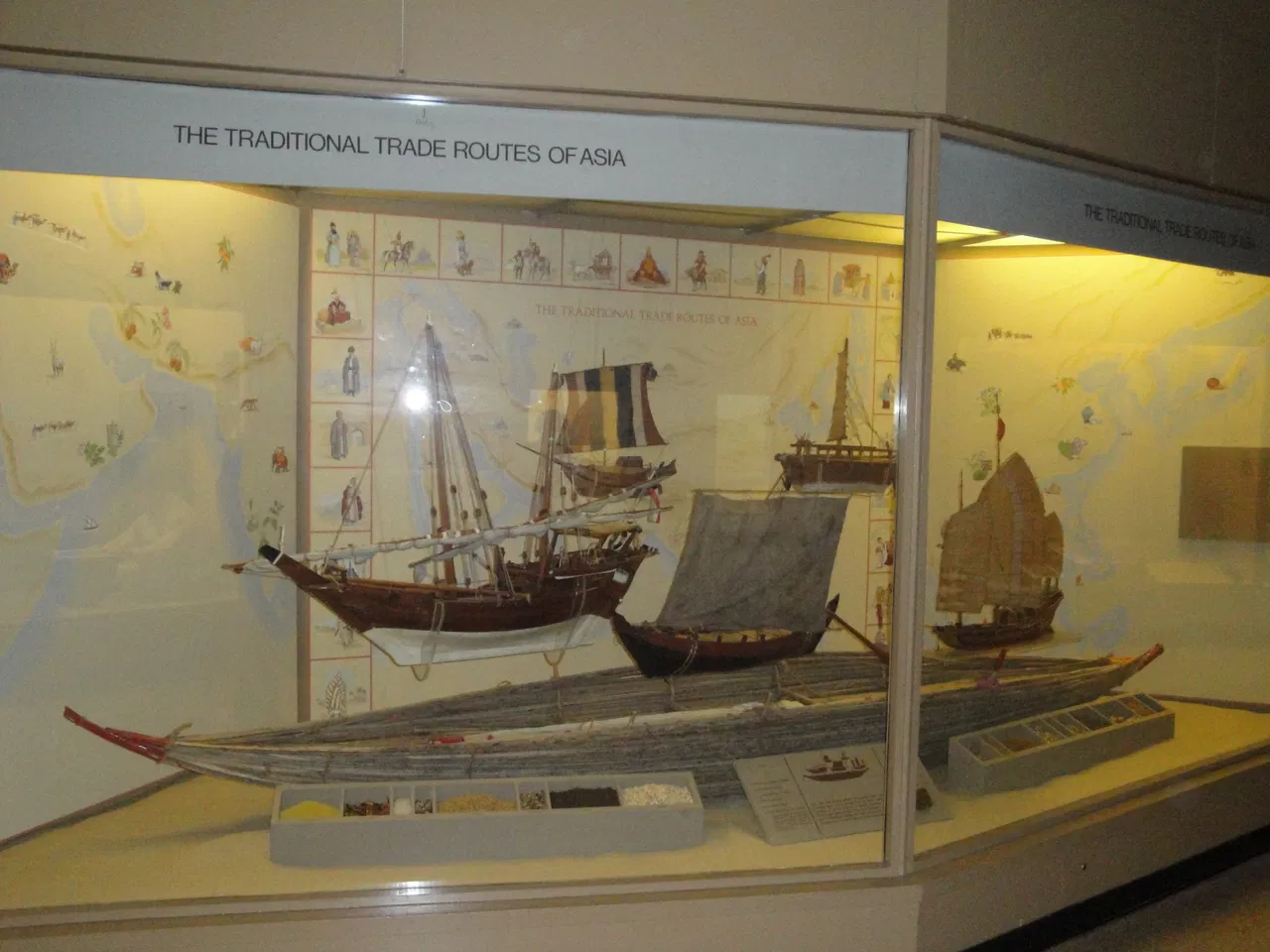
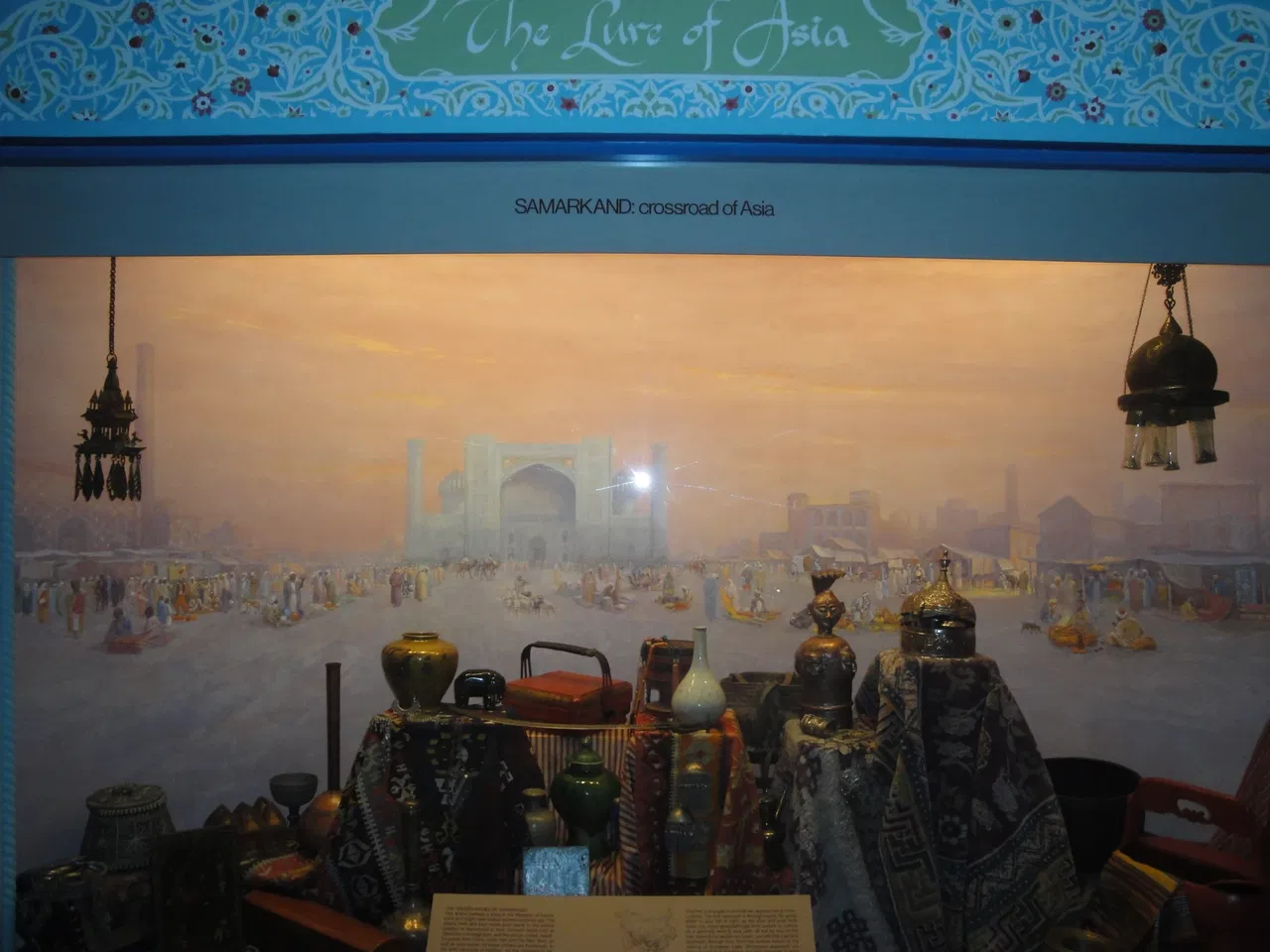
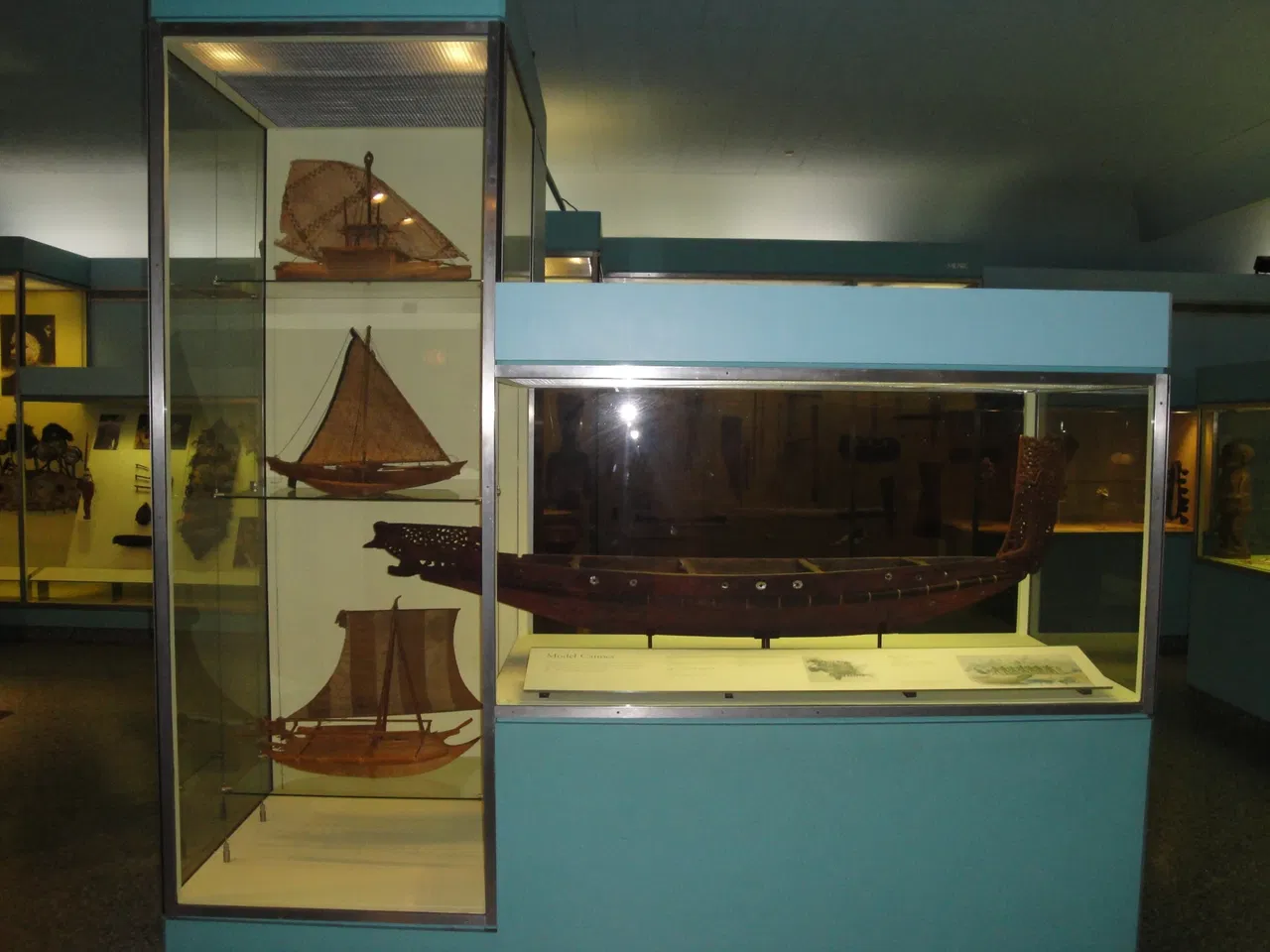
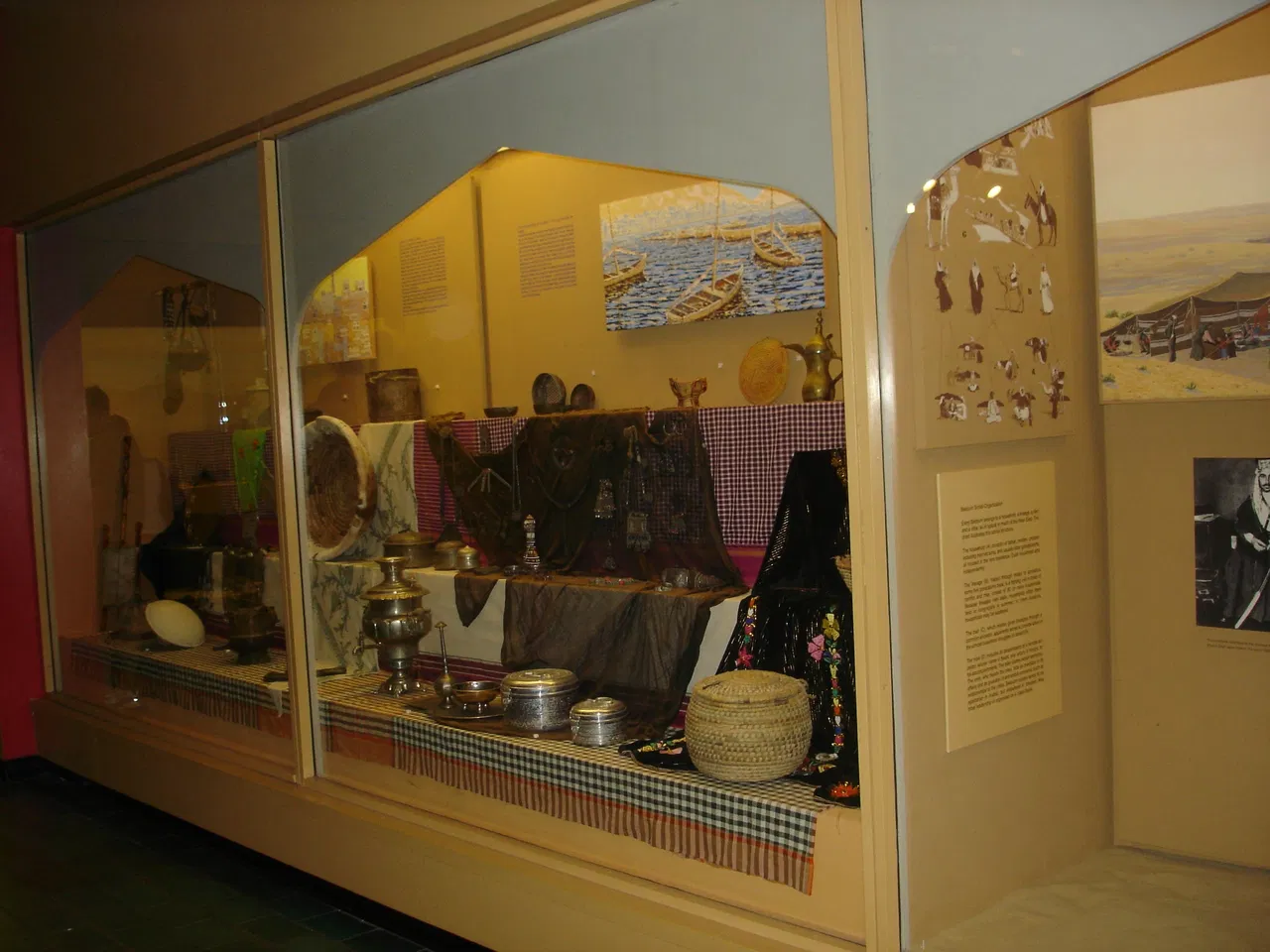
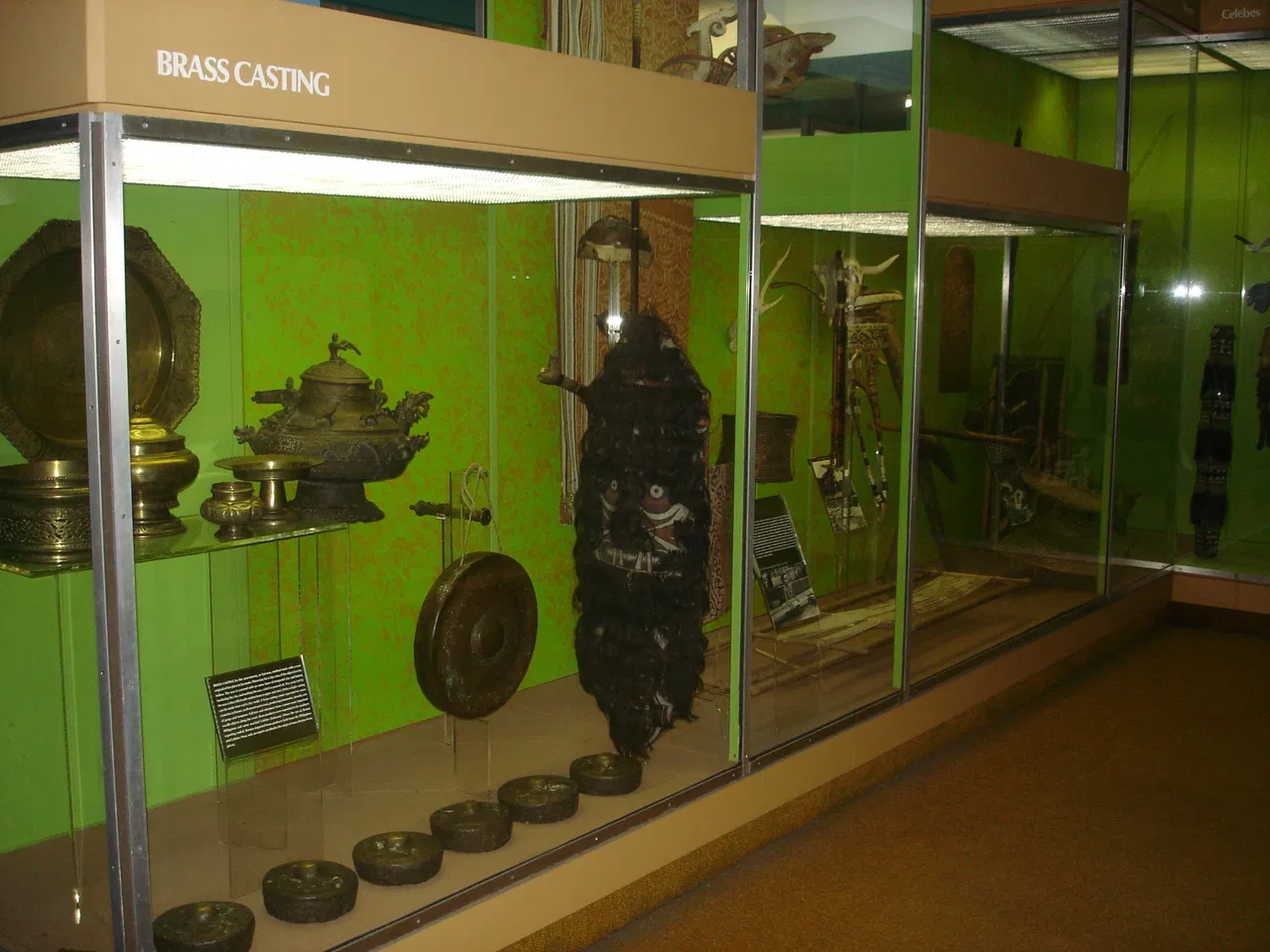
At this point, Wife was ready to call it quits. I wanted to see the dinosaur exhibits, which was on Floor 4. She was interested in Gardner D. Stout Hall of Asian Peoples that was on Floor 2. According to the map, Asian Peoples had the largest floor area and certainly felt like it. Unlike the layout of Northwest Coast where one could access to and from any point in the hall, Asian Peoples had wall partitions and aisles flanked on both sides by enclosed exhibits. Lots of life-sized dioramas of human figurines in period costumes, minimalist homesteads, domestic tools and wares, weapons, statues and miniature ships that represented the diverse cultures across Asia. Most notable were the Chinese and Japanese ones with artifacts from religion (especially Buddhism), mythology (including the Eight Immortals) and theater (Noh and Chinese opera masks).
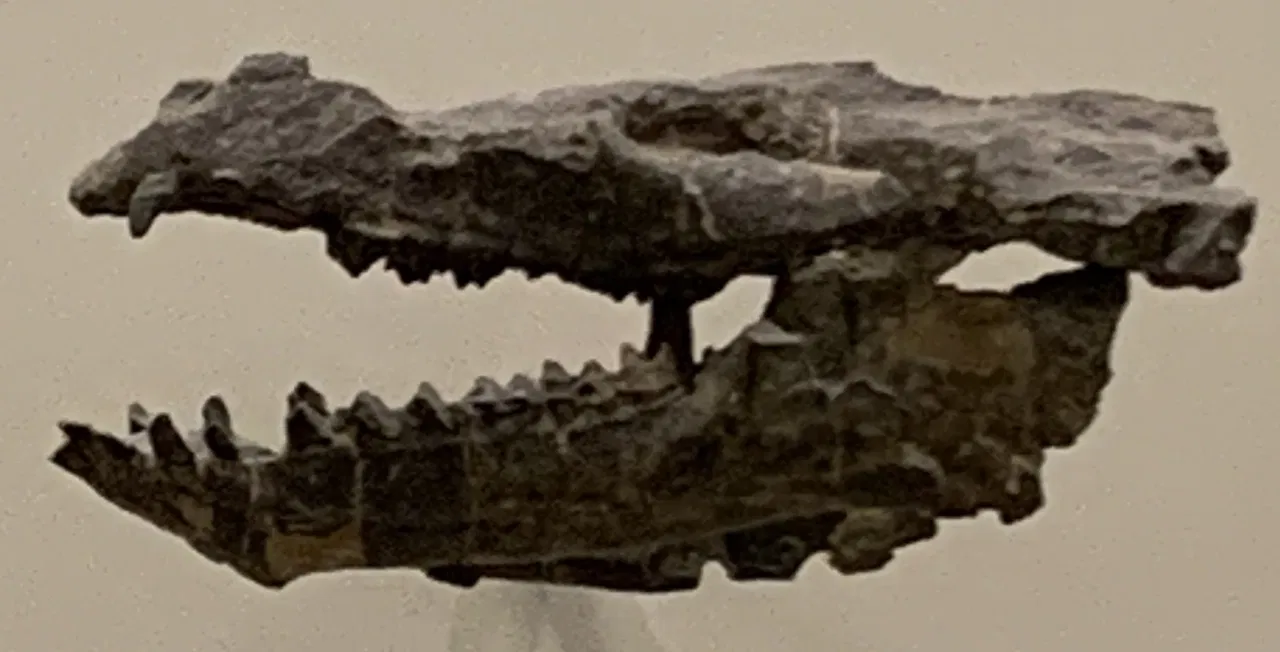
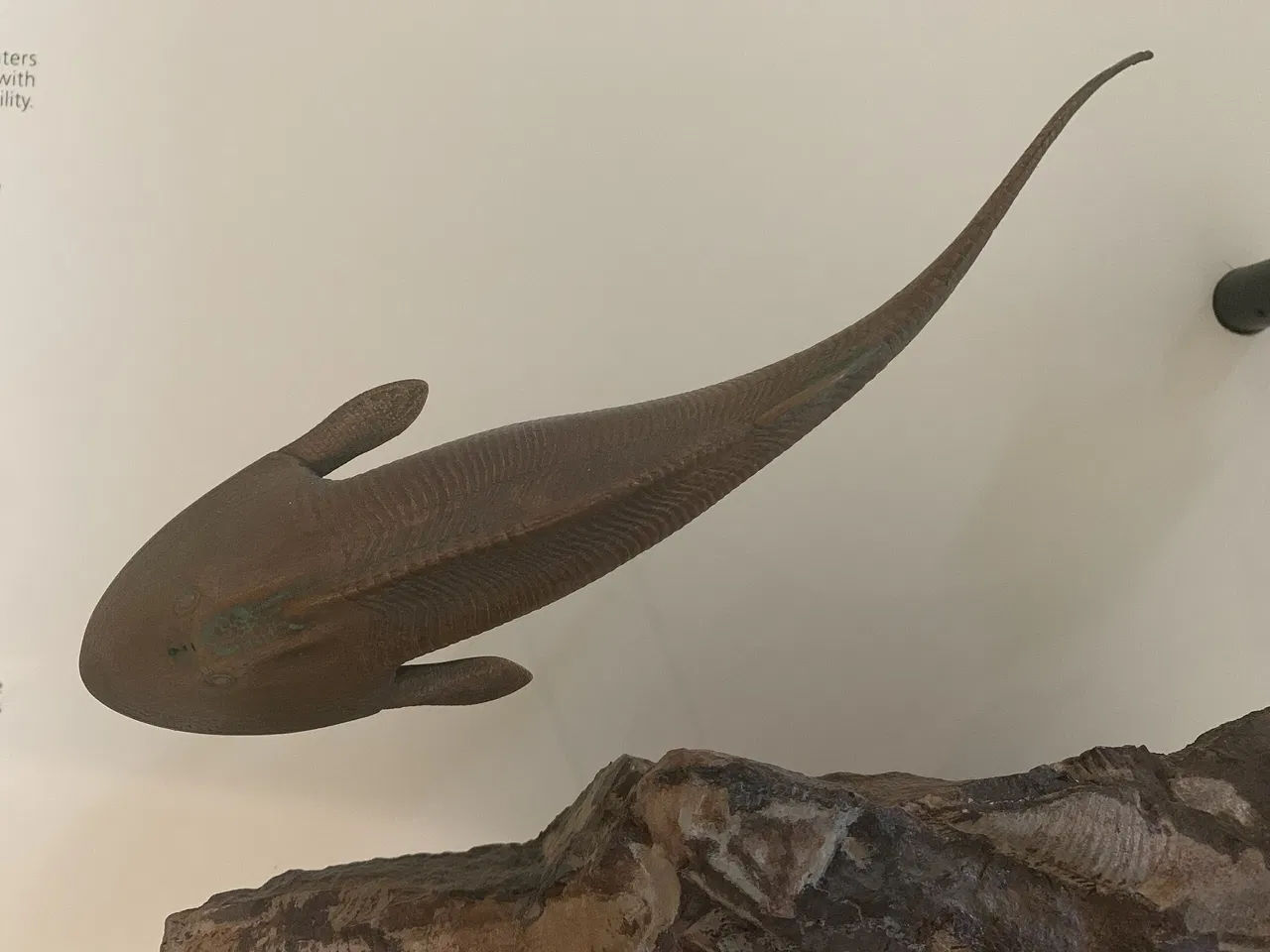
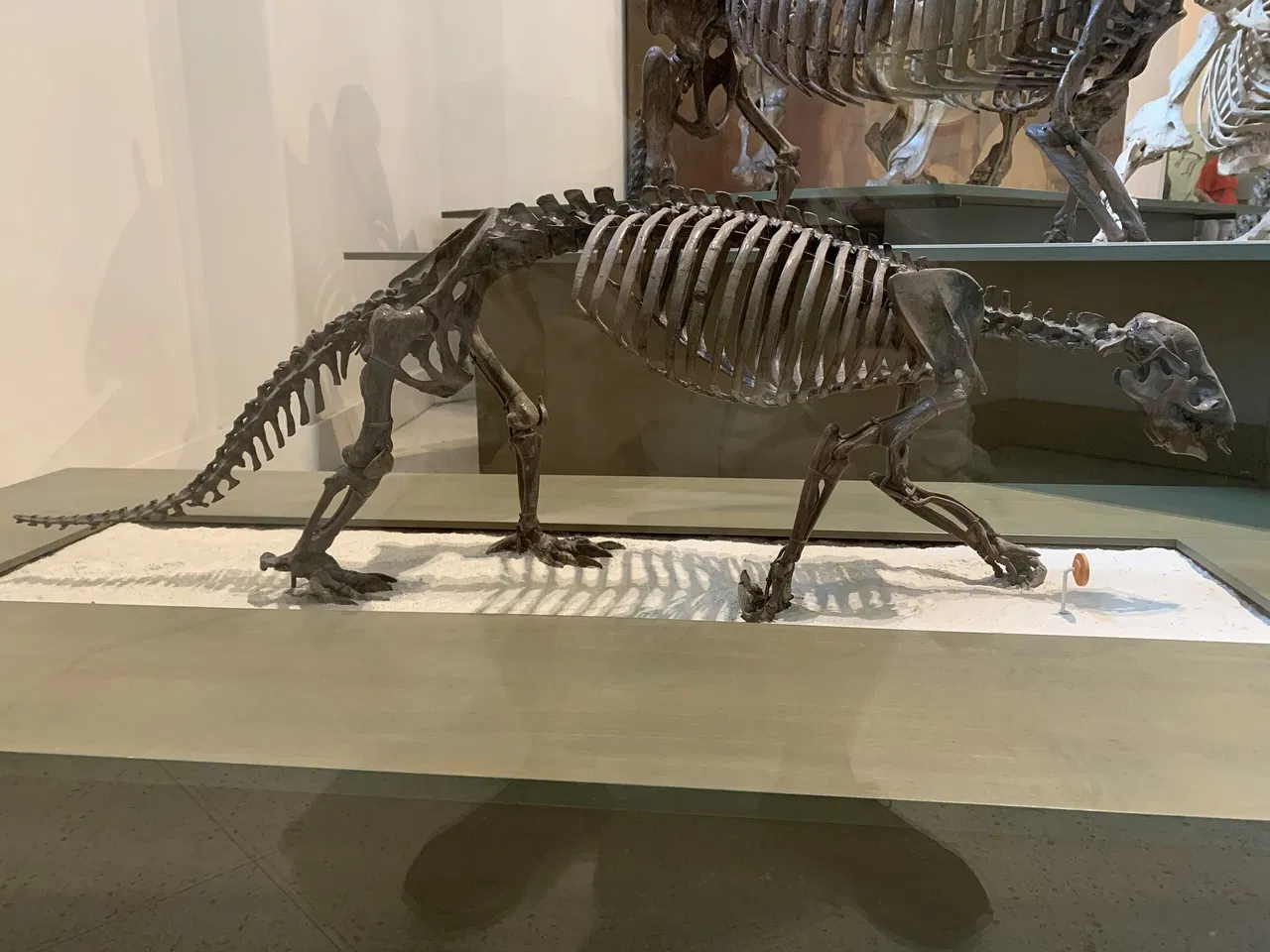
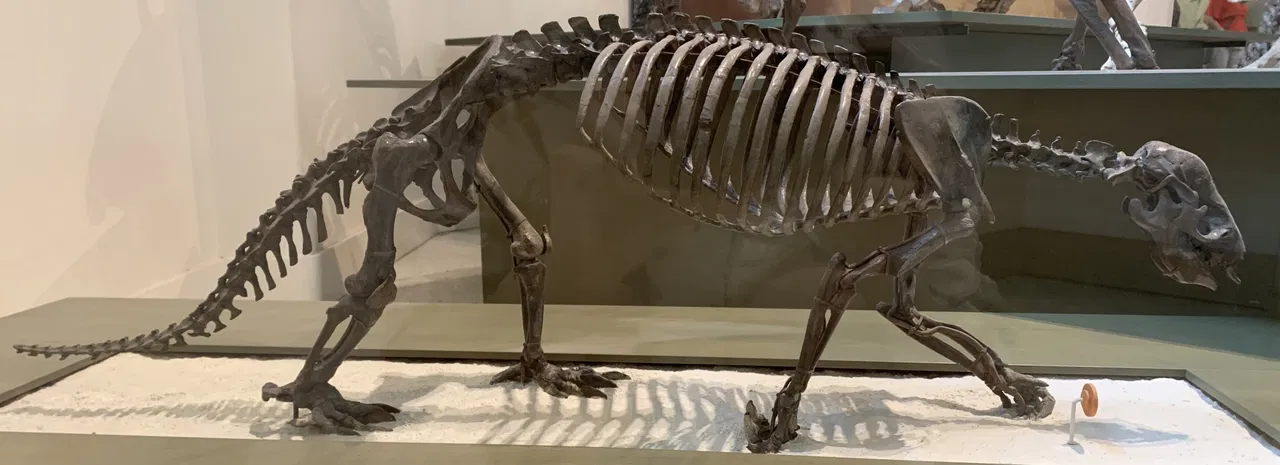
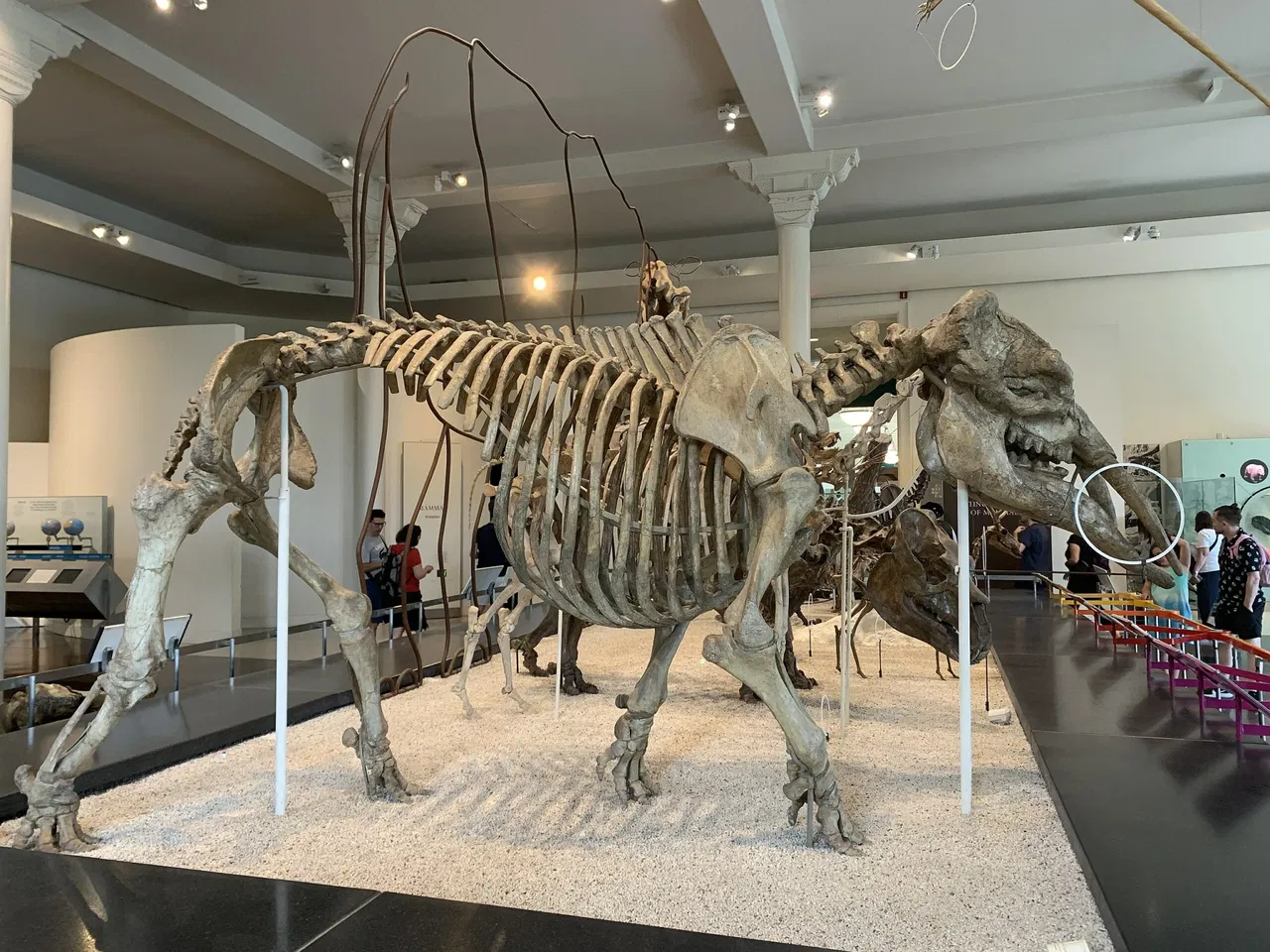
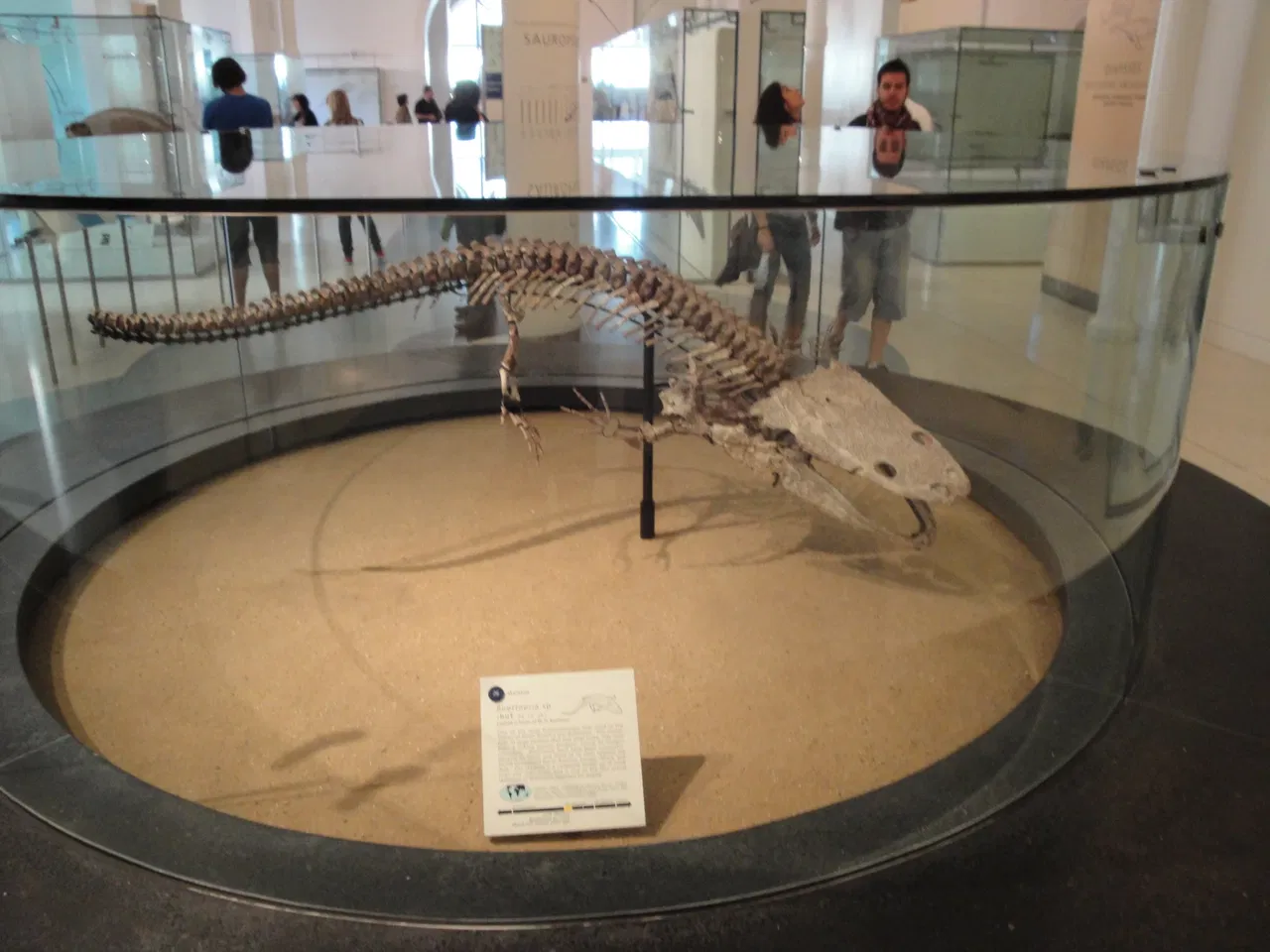
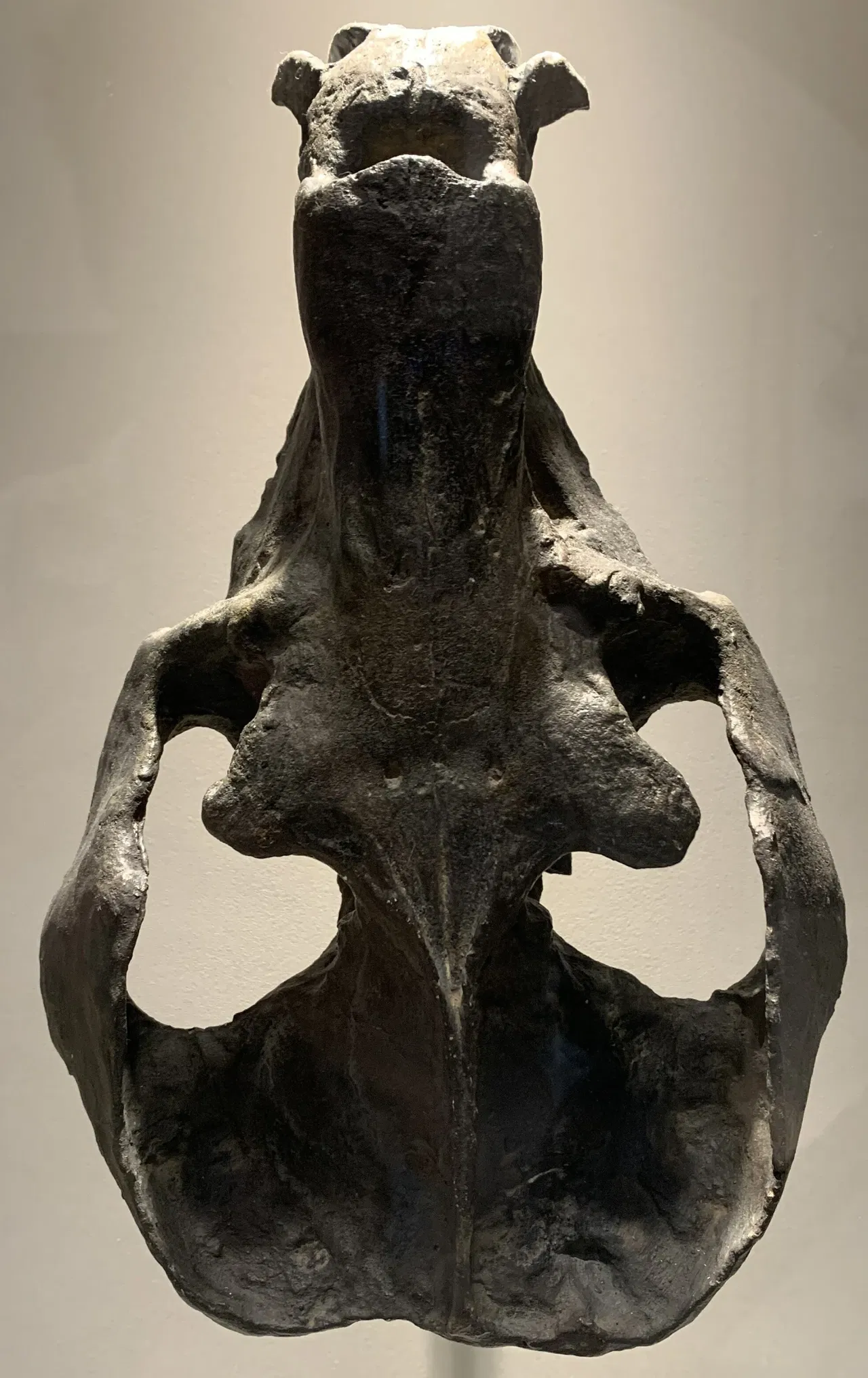
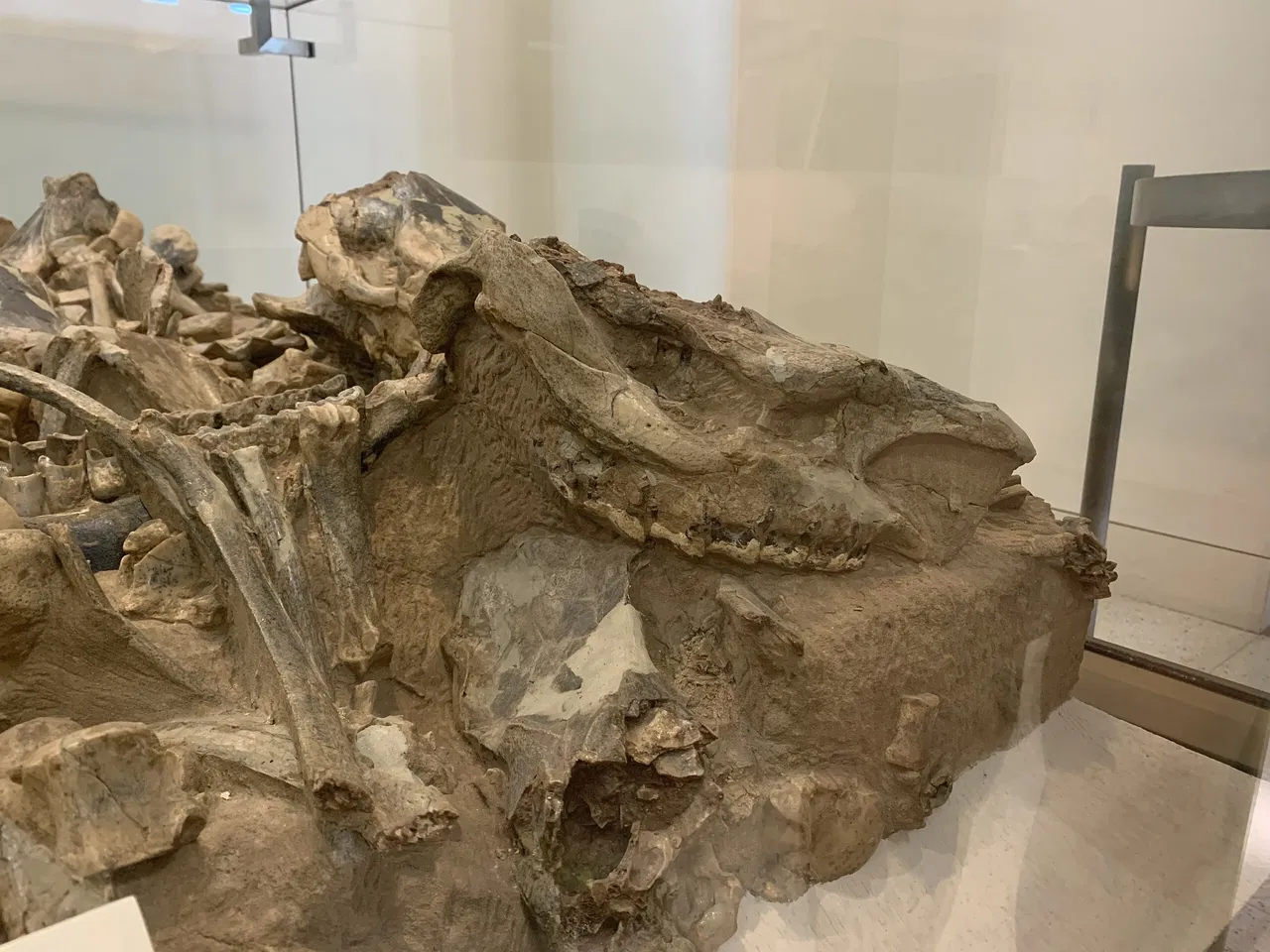
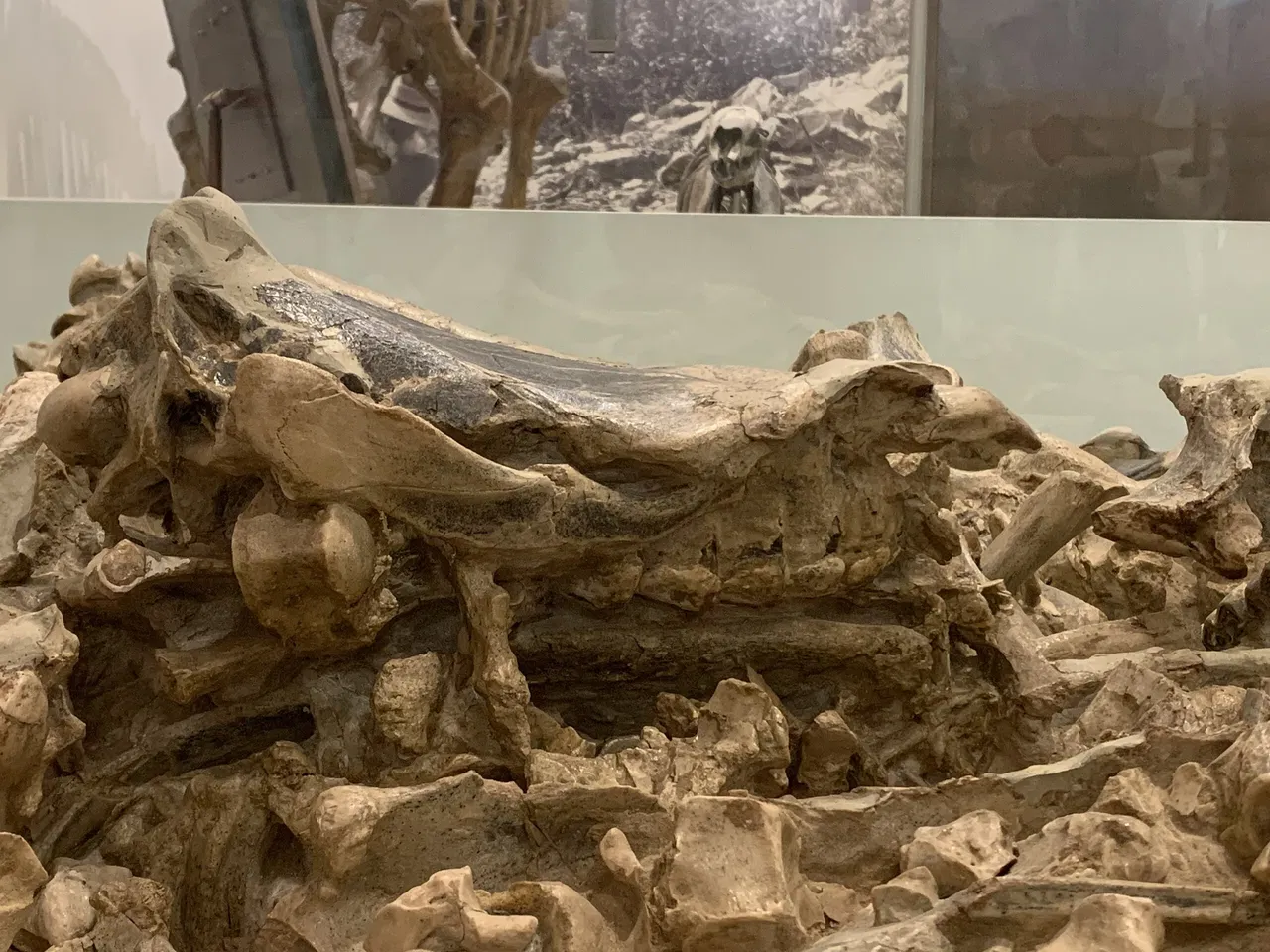
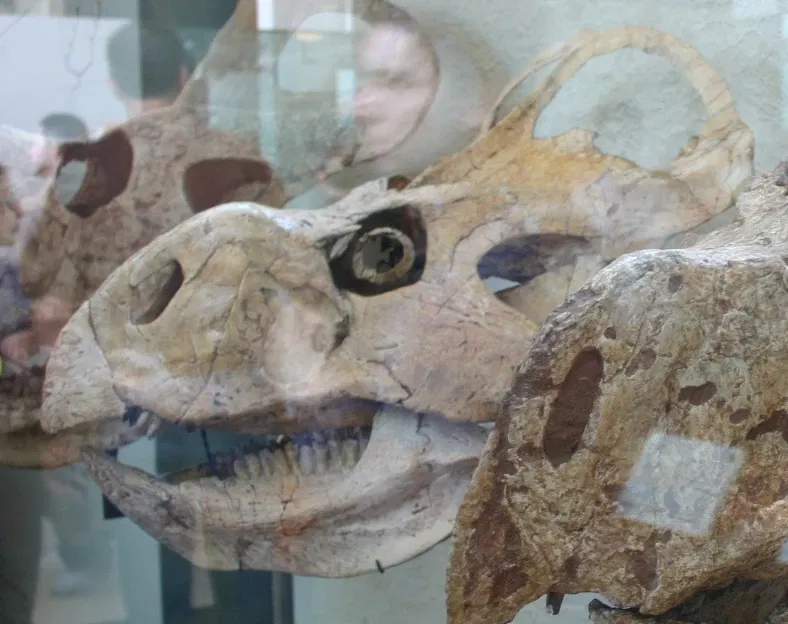
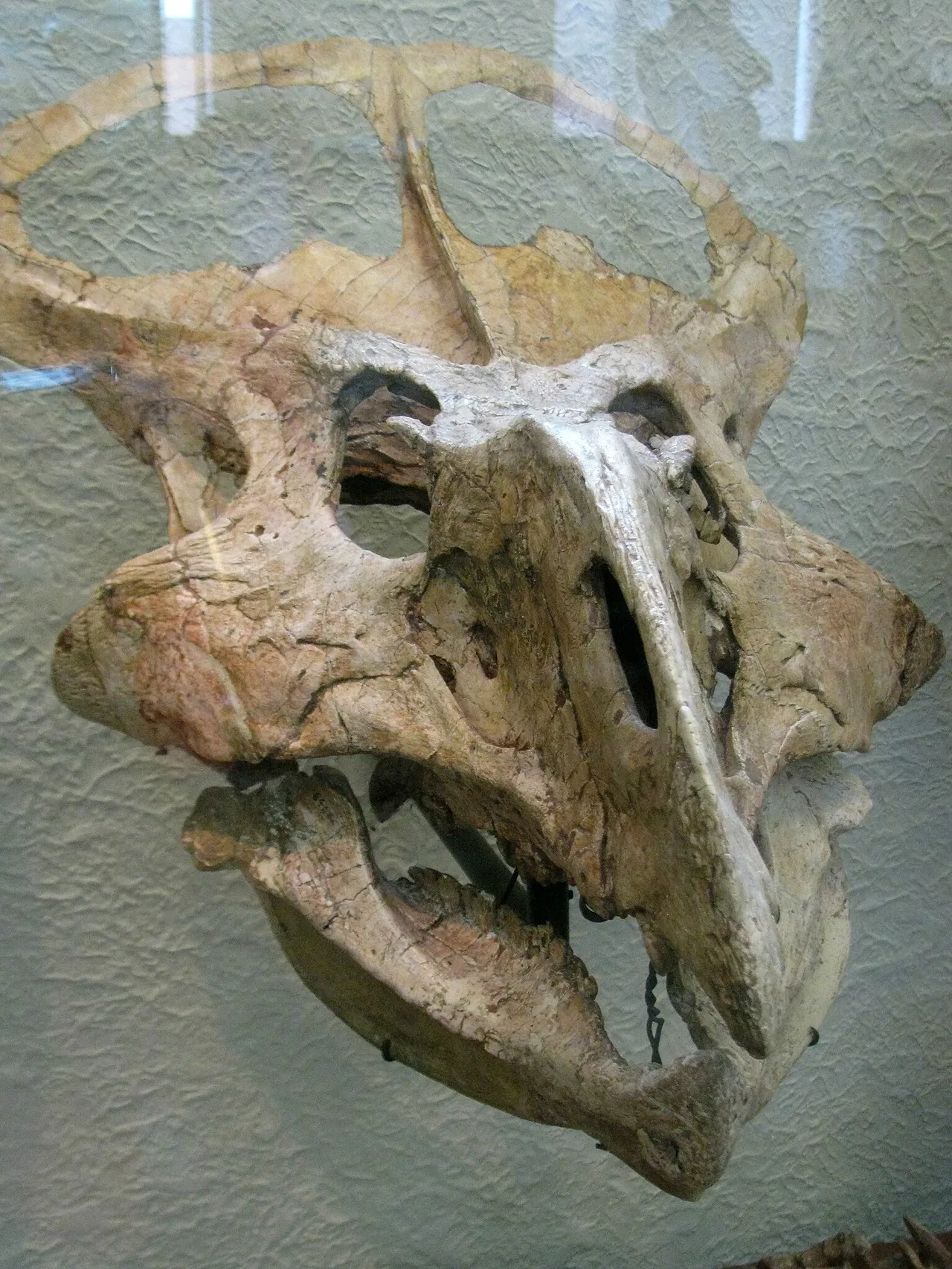
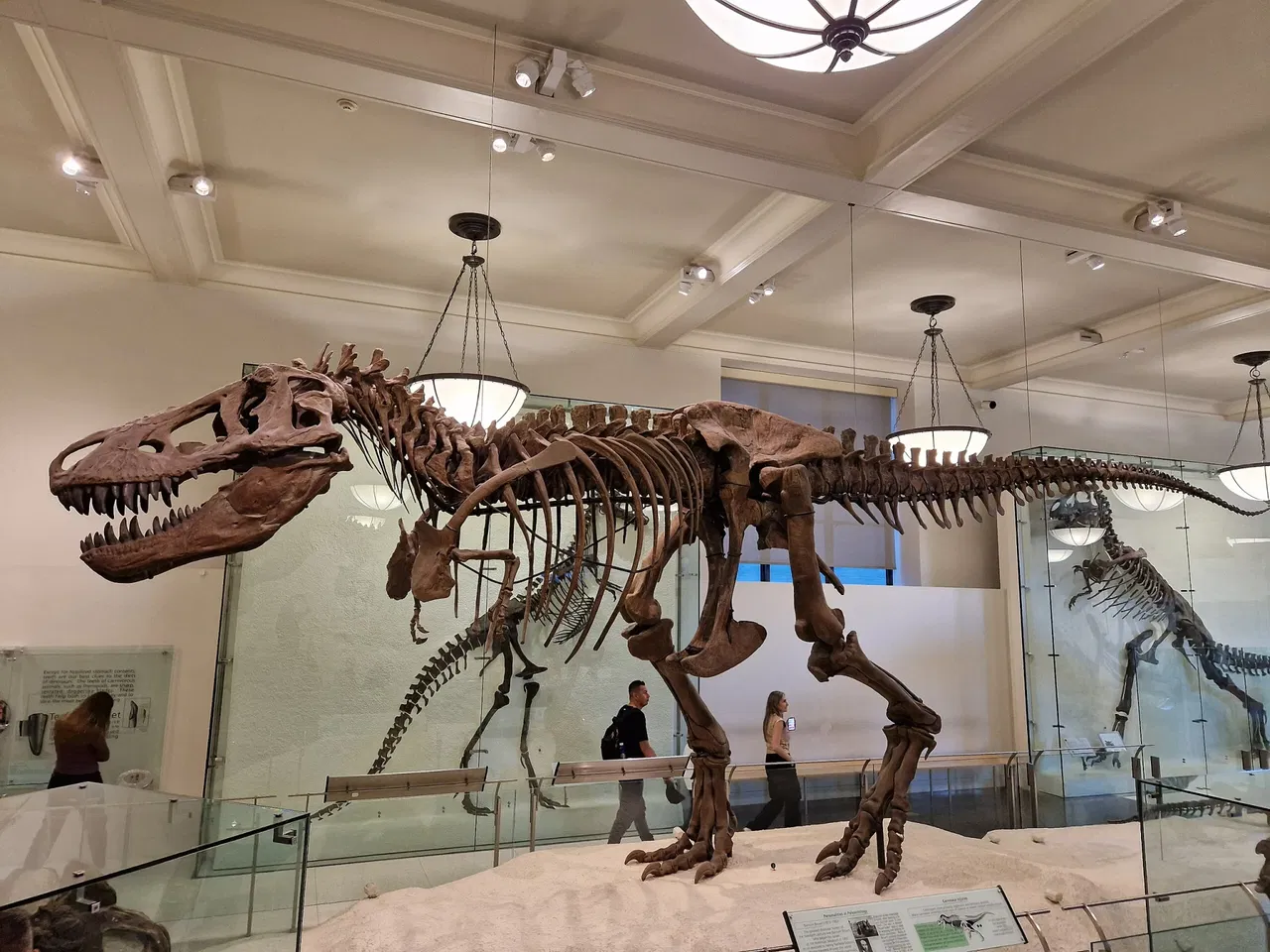
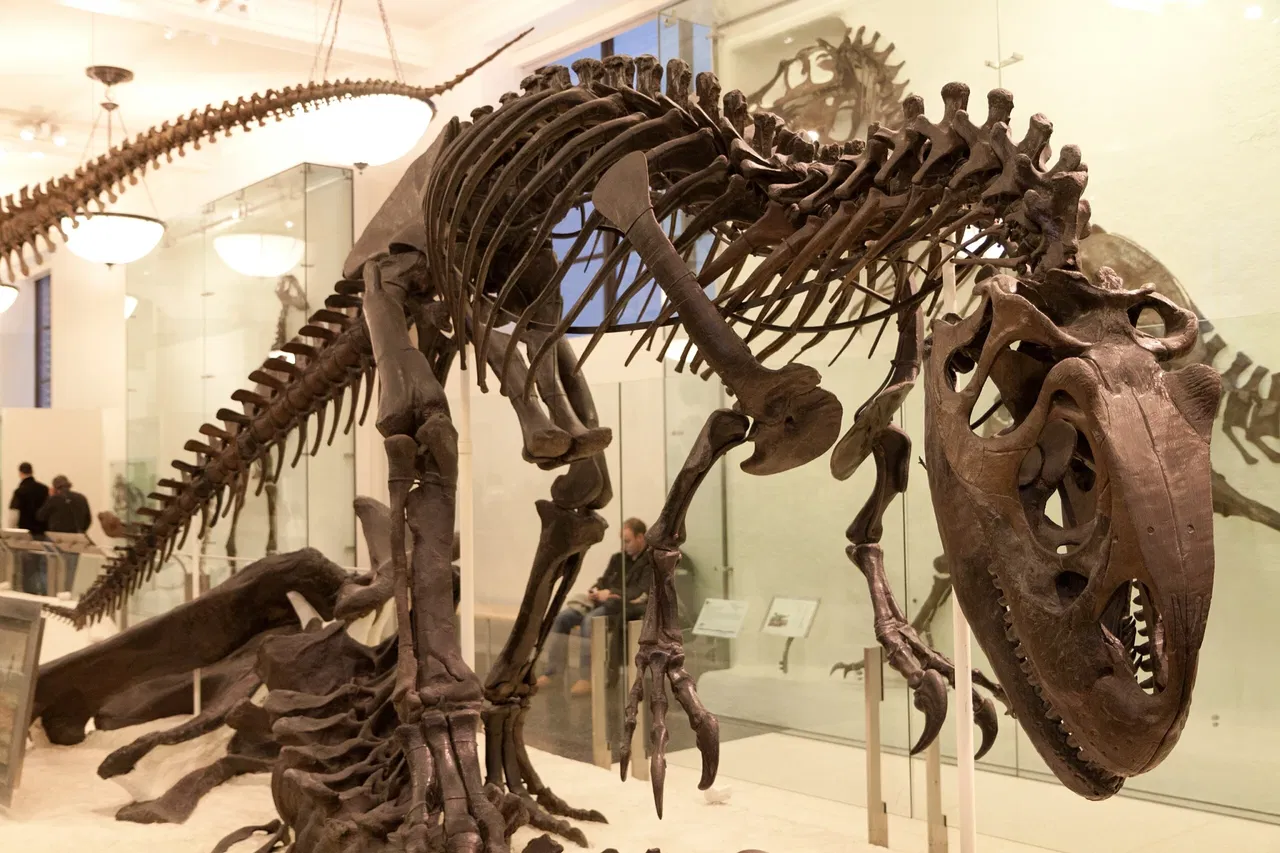
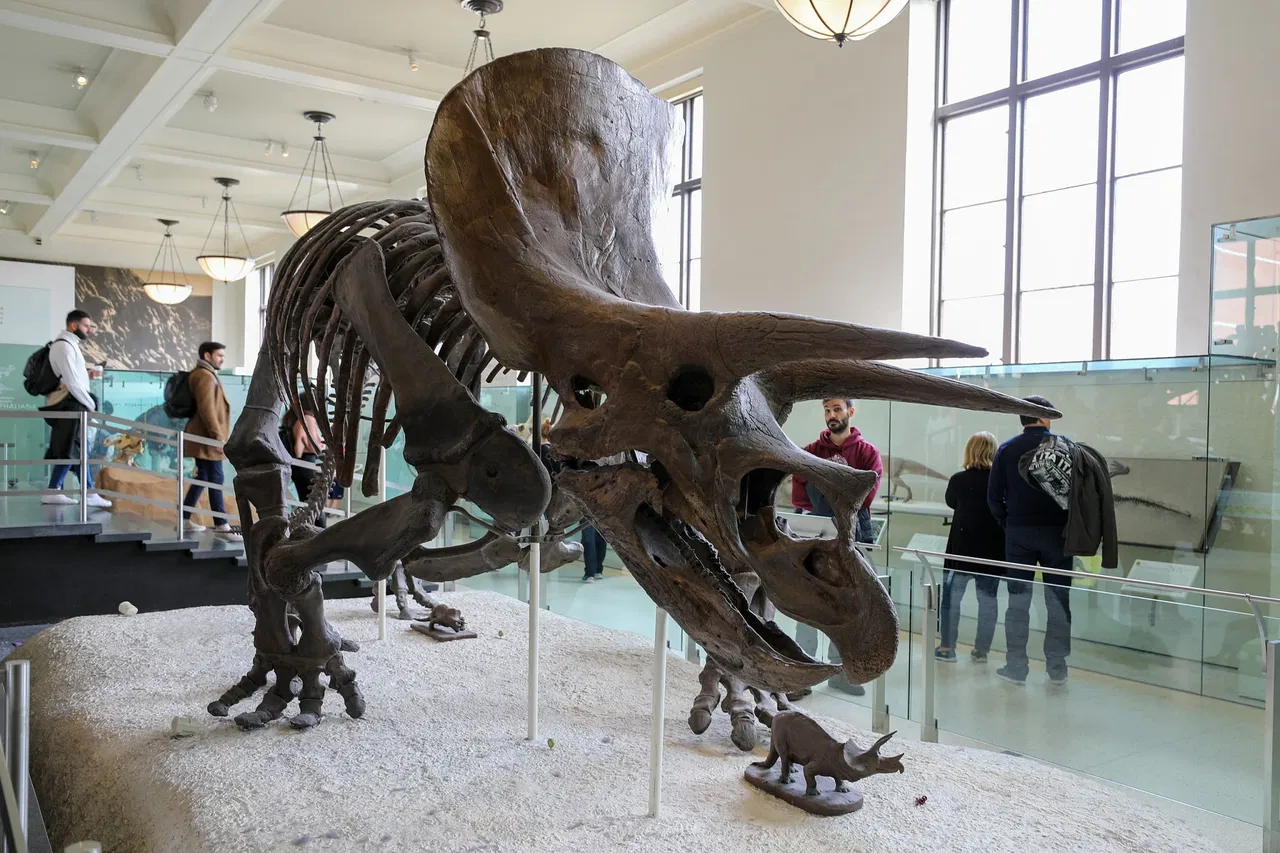
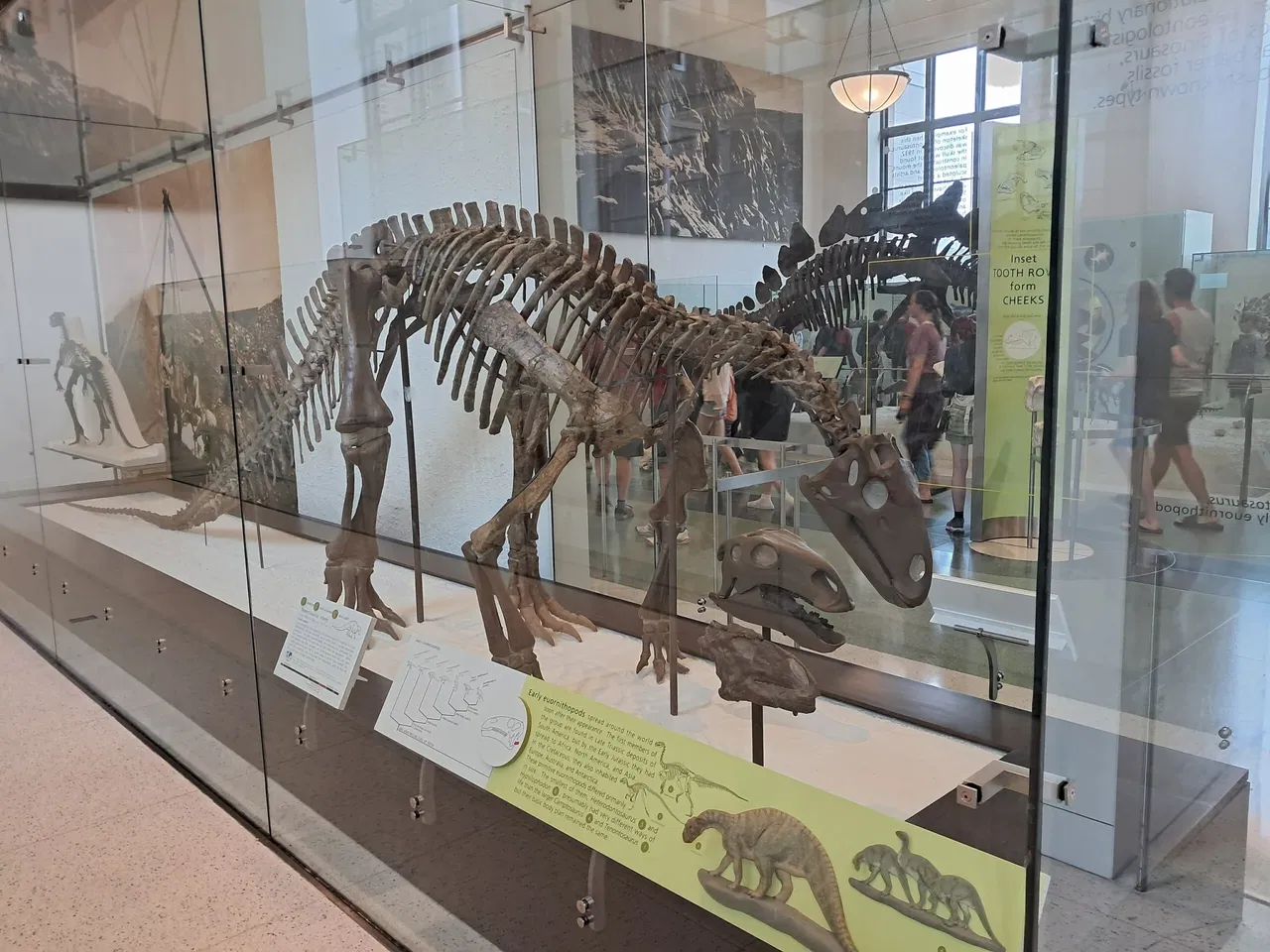
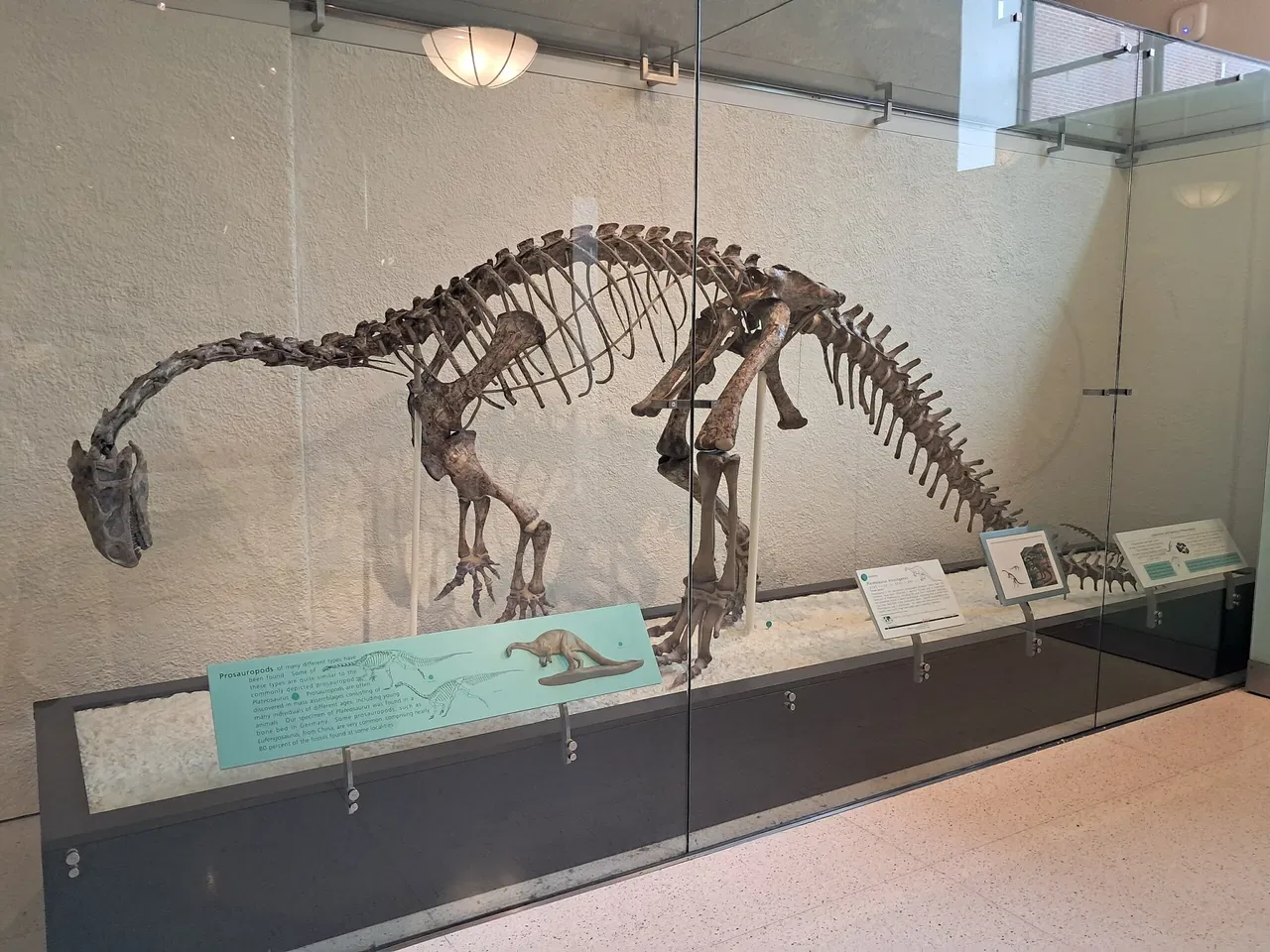
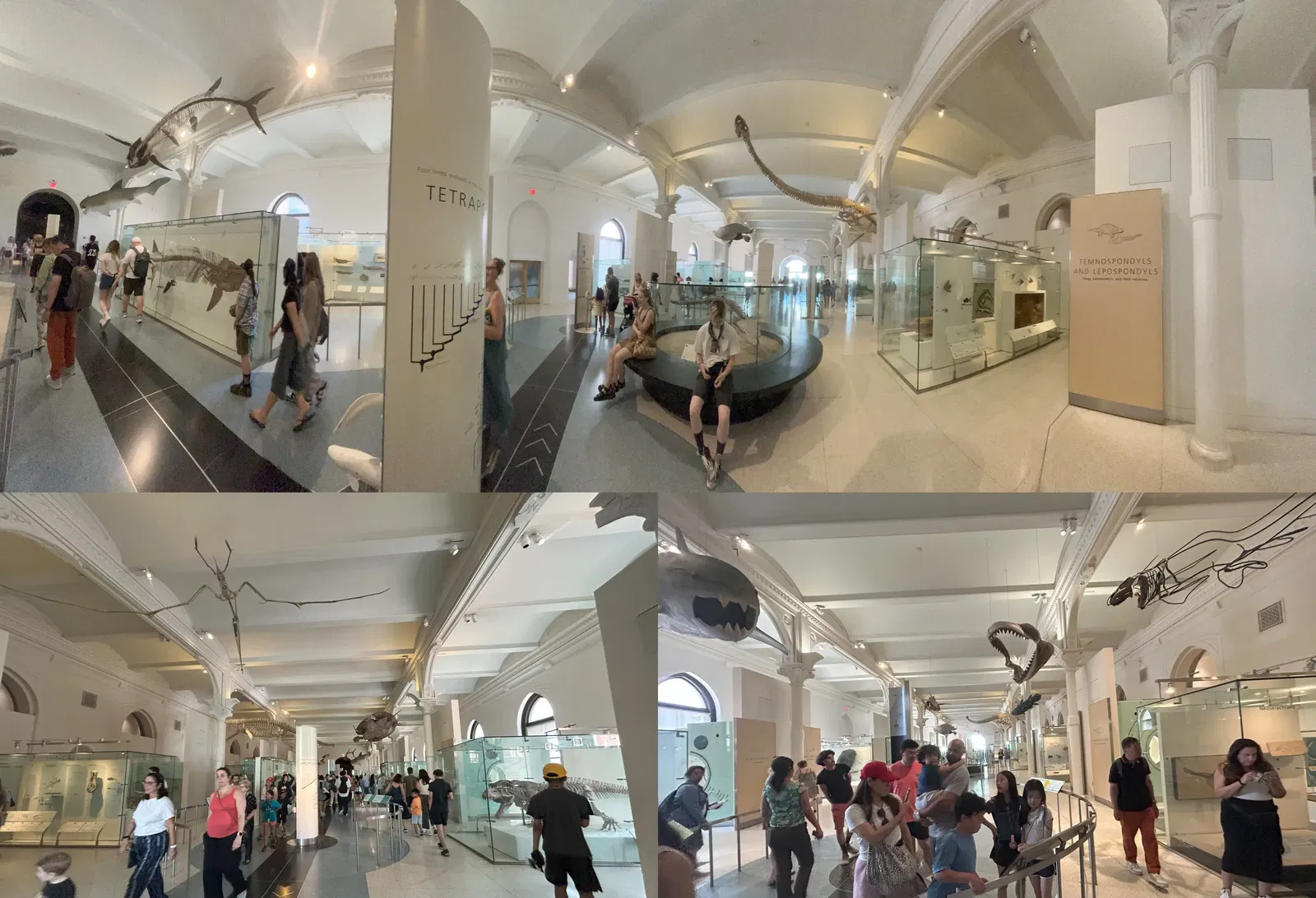
Finally, the dinosaurs on Floor 4. In the Hall of Saurischian Dinosaurs, I saw the t-rex and the apatosaurus. A guide told us that we happened to be in the final hall and suggested that we backtracked using the arrows on the floor to see the others. From there, we went into the long, large Hall of Vertebrate Origins. Unlike the former, the latter had life-sized models and fossils hanging from the ceiling. I didn't realize a pterodactyl was in my photo until much later. The Orientation Center did indeed have the titanosaur with its neck stretching to the next hall. Sadly, the pictures I took of it didn't turn out good. On to Paul and Irma Milstein Hall of Advanced Mammals, then the Hall of Primitive Mammals, and finally the Hall of Ornithischian Dinosaurs for the triceratops and the stegosaurus. I'm pleased that the five original Dinobots (from "The Transformers" series) were represented.
After almost two hours in the museum, Wife wanted to leave. Otherwise, I'd have spent the rest of the day exploring the rest of the museum. It would take more than a day to appreciate every exhibit in every hall on every floor. The ticket price felt like a bargain, but we got $30 worth of it. My top three favorite exhibits are Ocean Life, the entire Floor 4 of dinosaurs, and Biodiversity. I'd love to come back here again.
Bezocht op 25 jun 2025
Deze beoordeling is gebaseerd op de waardering van dit museum op verschillende andere platformen.
Ontdek musea in de buurt van American Museum of Natural History in of in de omgeving van New York.